Peeing in the shower may seem like a harmless habit. Some people even argue that it helps save water by combining two daily routines into one. But according to pelvic health specialist Dr. Alicia Jeffrey-Thomas, there may be some health concerns worth considering—particularly for people with female anatomy.
So, is peeing in the shower really a problem? The answer is a little more complicated than it might seem.
In this article, we’ll look at both sides of the debate, from potential water savings to the possible effects on your bladder and pelvic floor. By the end, you’ll have a clearer picture of the habit and what it could mean for your health.
The Case for Saving Water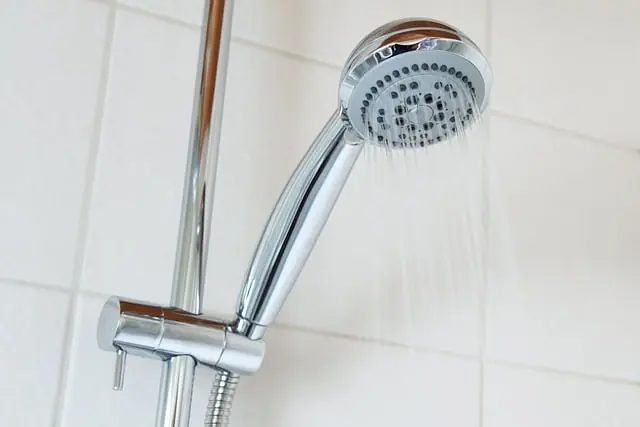
Image by PublicDomainPictures from Pixabay
One of the biggest arguments in favor of peeing in the shower is water conservation.
If you replace one toilet flush each day by urinating while taking a shower, the amount of water saved can add up over time. Estimates suggest that this habit could save around 2,190 liters (579 gallons) of toilet water per person each year.
Now imagine that on a much larger scale. If everyone in the United States adopted the habit, the potential annual water savings could reach approximately 699 billion liters (185 billion gallons).
From an environmental perspective, those numbers certainly sound impressive.
But saving water is only one part of the story.
What About Your Pelvic Floor?
Despite the potential environmental benefits, there are also health considerations to keep in mind.
Dr. Alicia Jeffrey-Thomas, a pelvic health specialist, has discussed the issue in a TikTok video, explaining how regularly urinating in the shower could affect the pelvic floor and bladder over time.
The Pavlovian Association
To explain one of the concerns, Dr. Jeffrey-Thomas draws a comparison to the famous Pavlov’s dog experiment.