At first glance, pokeweed looks almost enchanting. Tall and lush, with bold green leaves and cascading clusters of deep purple berries that
resemble grapes, it often stands out in the landscape like a wild ornamental plant. You’ll see it thriving along fences, forest edges, roadsides,
and abandoned lots - vibrant, confident, and seemingly harmless.
But this beauty is deceptive.
Behind pokeweed’s striking appearance lies a serious and often underestimated danger. Pokeweed (Phytolacca americana) is one of those
plants best admired from a distance. Every part of it—from its thick roots to its glossy berries—contains toxic compounds capable of making
humans and animals severely ill.
Understanding what makes pokeweed dangerous, how to identify it, and how to respond to exposure is essential for staying safe.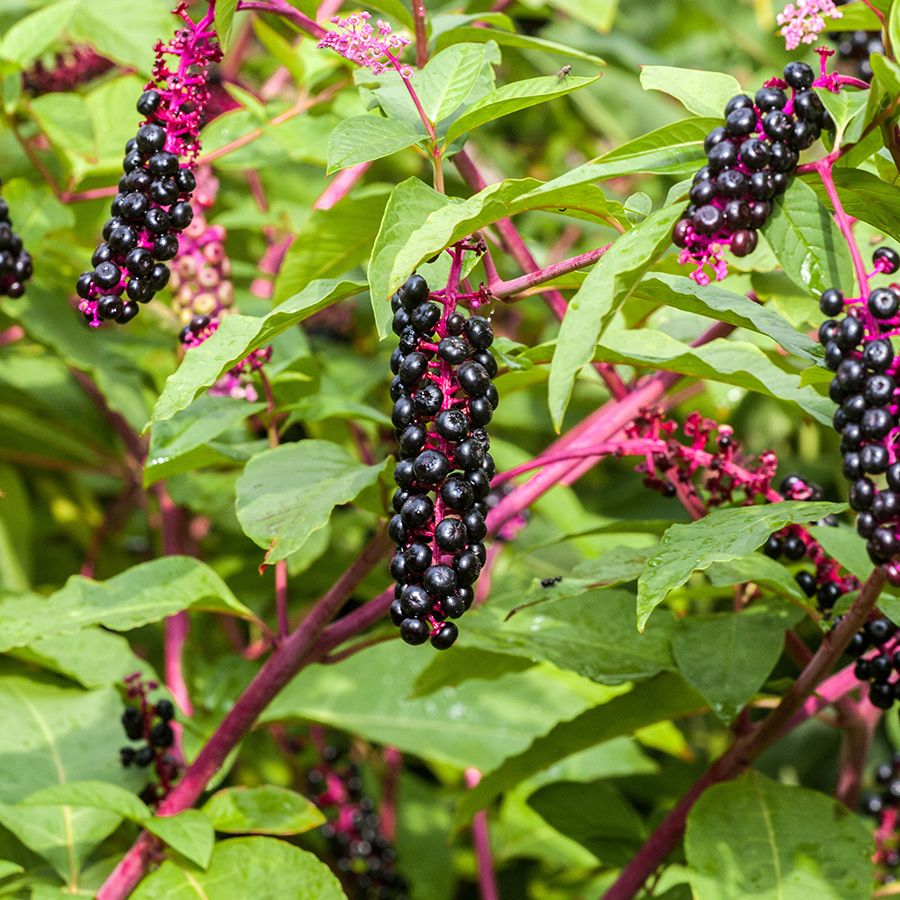
1. What Is Pokeweed?
Pokeweed, scientifically known as Phytolacca americana, is a fast-growing perennial plant native to North America. Under the right conditions,
it can grow up to 10 feet tall, developing thick reddish-purple stems, large oval leaves, and drooping clusters of white flowers that later
transform into dark purple berries by late summer.
It commonly grows in:
-
Fields and pastures
-
Roadsides and drainage ditches
-
Woodland clearings
-
Vacant lots and abandoned farms
Despite its dramatic and sometimes attractive look, pokeweed is classified as a noxious weed. This means it spreads aggressively, is difficult to
eliminate, and poses risks to people, pets, and livestock.
2. The Hidden Danger: Why Pokeweed Is Toxic
What makes pokeweed especially dangerous is that every part of the plant is poisonous. It contains toxic substances known as saponins
and alkaloids, particularly phytolaccatoxin and phytolaccigenin. These chemicals interfere with normal cellular function and can irritate or
damage the digestive, nervous, and respiratory systems.
Toxicity varies by plant part:
-
Roots: Extremely poisonous; even small amounts can cause severe poisoning
-
Leaves and stems: Toxic, especially when raw or mature
-
Berries: Slightly less toxic when ripe, but still dangerous—especially to children
Animals are not immune. Livestock, pets, and wildlife can become seriously ill after consuming pokeweed leaves, roots, or berries.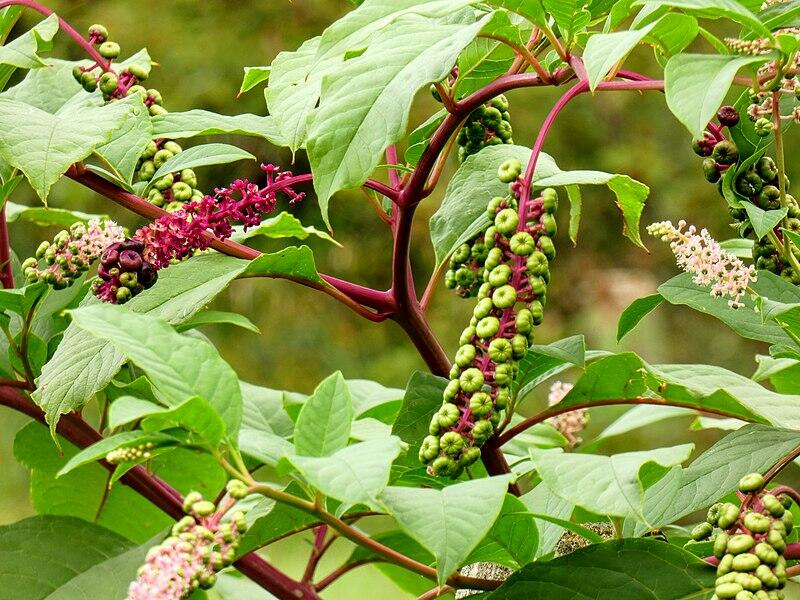
3. What Happens If You Eat Pokeweed?
Symptoms of pokeweed poisoning typically appear within a few hours after ingestion, though onset time may vary. The severity depends on
the amount consumed and the part of the plant involved.
Common symptoms include:
-
Severe nausea and vomiting
-
Abdominal pain and diarrhea (sometimes bloody)
-
Burning sensation in the mouth and throat
-
Weakness and dizziness
In more severe cases:
-
Difficulty breathing
-
Muscle spasms or convulsions
-
Respiratory failure
In large doses, pokeweed poisoning can be life-threatening. Immediate medical attention is critical if ingestion is suspected.
4. Is Touching Pokeweed Dangerous?
Yes—direct contact can also cause problems.
The sap of pokeweed contains irritating compounds that may trigger skin reactions such as redness, itching, rashes, or blisters. People with
sensitive skin, allergies, or open cuts are particularly vulnerable.
If removal is necessary:
-
Wear gloves, long sleeves, and eye protection
-
Avoid touching your face during handling
-
Never burn pokeweed—its smoke can irritate the lungs
-
Dispose of it in sealed trash bags, not compost
5. Why Pokeweed Is Often Mistaken for Edible Plants
One of the most dangerous aspects of pokeweed is how easily it can be misidentified. Young shoots can resemble asparagus or leafy greens
such as spinach, leading inexperienced foragers to believe the plant is edible.
In some traditional Southern recipes, “poke sallet” was prepared by boiling young shoots multiple times to reduce toxicity. However, modern
health authorities strongly discourage this practice.
As the Centers for Disease Control and Prevention warns, there is no completely safe way to consume pokeweed. Cooking does not reliably
neutralize all toxins, and even small preparation errors can result in poisoning.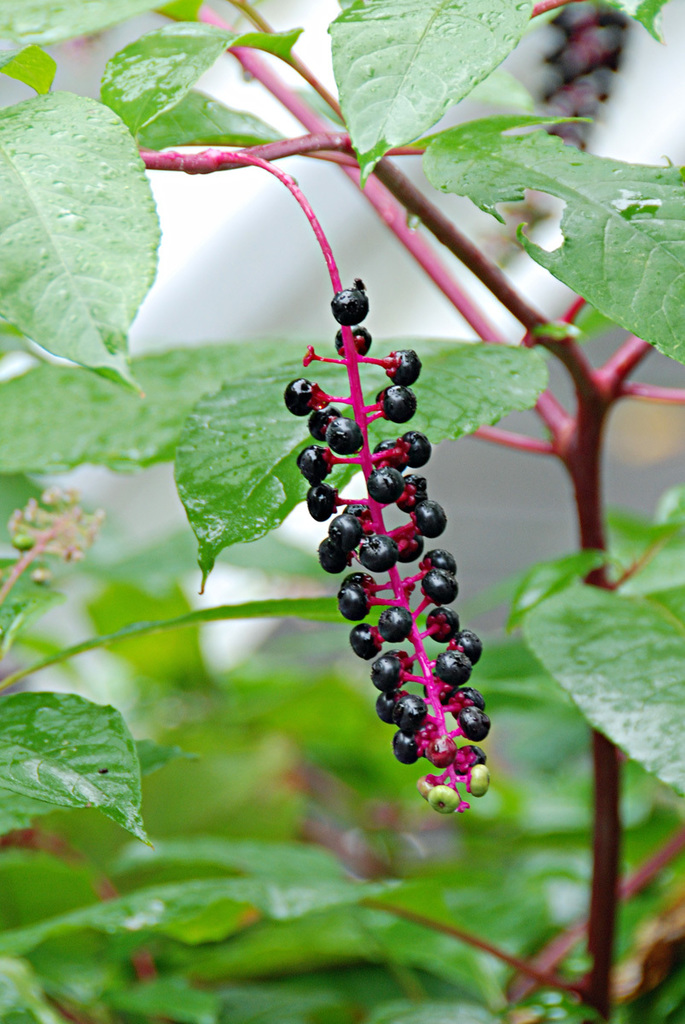
6. A Look into History: Medicine, Dye, and Folklore
Despite its dangers, pokeweed has a long and complex history.
Native American tribes once used small, carefully controlled amounts in folk medicine to address skin conditions, joint pain, and inflammation.
Early settlers later adopted some of these practices and also used pokeweed berries as a natural dye for fabrics and ink.
However, scientific research eventually revealed that these traditional uses carried significant risks. The same compounds once believed to
cleanse or heal the body are now known to be highly toxic.
Even handling the berries for dye-making can stain skin and cause irritation if proper precautions aren’t taken.
7. How to Identify Pokeweed
Recognizing pokeweed is the most effective way to avoid exposure. Key features include:
-
Thick, smooth stems that turn reddish-purple as the plant matures
-
Large, oval green leaves with smooth edges
-
Drooping clusters of berries that change from green to dark purple
-
A tall, bushy structure that dominates surrounding vegetation
⚠️ Warning: The berries may look tempting, especially to children, but they are not safe to eat.
8. Risks to Animals and Pets
Pokeweed poses serious risks to animals, including dogs, cats, horses, cattle, goats, and poultry. Animals grazing or playing in infested areas
may ingest parts of the plant accidentally.
Symptoms in animals include:
-
Excessive drooling
-
Vomiting or diarrhea
-
Tremors or seizures
-
Difficulty walking
-
Lethargy or collapse
If you suspect an animal has eaten pokeweed, contact a veterinarian immediately. Early intervention can be life-saving.
9. Safely Removing Pokeweed from Your Property
Pokeweed is resilient, and removing it requires care and persistence.
Best practices include:
-
Wearing full protective gear
-
Digging out the entire root system
-
Disposing of the plant in sealed trash bags
-
Monitoring the area regularly for regrowth
For large infestations, local environmental or weed control services may offer safer, more effective removal options.
10. What to Do If Exposure Occurs
If someone has ingested or come into contact with pokeweed:
-
Do not induce vomiting unless directed by professionals
-
Rinse the mouth thoroughly with water
-
Wash skin with soap and water
-
Seek immediate medical help or contact Poison Control
Prompt action is essential, as symptoms can escalate quickly.
11. Why Pokeweed Deserves Respect and Distance
Pokeweed is a powerful reminder that nature’s beauty can sometimes hide serious danger. Its vibrant color and dramatic growth make it
visually striking, but the risks it poses far outweigh its ornamental appeal.
While the plant plays a role in ecosystems - providing food for certain bird species—it is not one to keep close to homes, gardens, or livestock
areas.
Knowledge, caution, and distance are the best defenses.
Final Thoughts
Pokeweed teaches an important lesson: not everything beautiful is safe to touch.
By learning to recognize this plant and understanding its risks, you protect not only yourself, but also children, pets, and wildlife. The next time
you encounter those glossy purple berries glowing in the sun, admire them from afar.
Sometimes, living in harmony with nature doesn’t mean interacting with it - it means knowing when to step back and let it be.