There is something quietly magical about walking through a pine forest. The air feels cleaner, cooler, almost medicinal. Each breath carries a
sharp yet soothing scent that seems to slow the mind and ground the body. Many people describe it as nature’s therapy—a place where
stress softens and clarity returns.
But beyond the calming atmosphere and towering trees, pine forests hold a lesser-known secret. Hidden within those sticky green cones is a
natural treasure that has been quietly used for generations: pine cone syrup.
Once a traditional forest remedy passed down through folk medicine, pine cone syrup is now making a gentle comeback. Herbal enthusiasts,
wellness seekers, and curious home cooks are rediscovering this aromatic, amber-colored syrup for its comforting flavor and surprising health
benefits. Best of all, it’s something that can be made right at home with simple ingredients and a little patience.
Let’s explore everything there is to know about pine cone syrup - from what it is and why it’s special, to its benefits, how to make it, and the
many creative ways to enjoy it.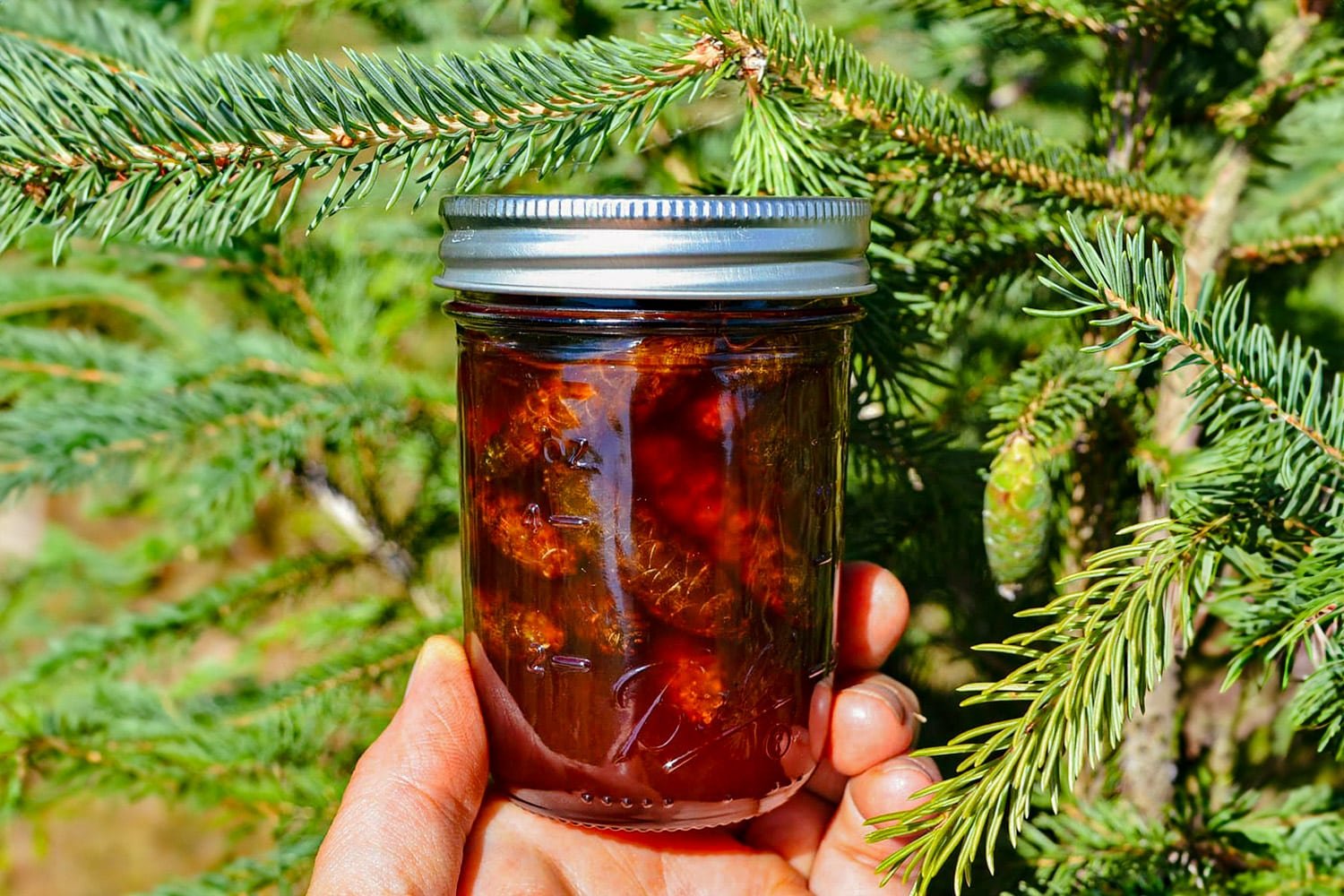
1. What Is Pine Cone Syrup?
Pine cone syrup is a natural sweet syrup created by slowly infusing young pine cones with sugar or honey. Over time, the sugar draws out the
cones’ natural resins, essential oils, and plant compounds, transforming the mixture into a deep, golden-brown liquid with a rich, forest-
inspired aroma.
The flavor is unlike any other sweetener. It’s gently sweet, slightly tangy, and deeply aromatic, with notes that feel earthy, resinous, and fresh -
like capturing the essence of a pine forest in liquid form.
Historically, pine cone syrup has been used for centuries in regions such as Eastern Europe, Russia, and parts of Asia. In traditional households,
it was valued as both a remedy and a delicacy, believed to strengthen immunity, soothe coughs, and help the body withstand harsh winters
and seasonal illness.
Today, pine cone syrup sits at a unique intersection: part traditional medicine, part natural superfood, and part culinary curiosity.
2. The Key Ingredient: Young Pine Cones
The success of pine cone syrup begins with choosing the right cones. Not all pine cones are suitable—only young, green ones should be used.
These tender cones are typically harvested in late spring to early summer, usually between May and June. At this stage, they are still soft,
sticky, and full of aromatic oils.
How to Identify the Right Pine Cones:
-
Green to light brown in color
-
About 1–2 inches long
-
Soft enough to slice with a knife
-
Closed and firm, not dry or woody
Avoid mature cones that have hardened or opened, as they are too fibrous and bitter for syrup-making.
It’s also essential to harvest responsibly. Choose clean, unpolluted areas far from roads, industrial zones, or sprayed fields.
Each species of pine brings its own personality to the syrup. Some cones produce brighter, citrusy notes, while others lean toward caramel,
resin, or spice. This means every batch of pine cone syrup is slightly different - a seasonal snapshot of the forest it came from.
3. Health Benefits of Pine Cone Syrup
Pine cone syrup isn’t just aromatic and delicious - it’s packed with natural plant compounds that support overall wellness. While it shouldn’t
replace medical treatment, it has long been valued as a gentle, supportive remedy.
1. Supports Respiratory Health
Traditionally, pine cone syrup was used to ease coughs, colds, and congestion. The natural resins and terpenes found in pine help soothe
irritated throats, loosen mucus, and open airways. It’s often described as comfort food for the lungs.
2. Strengthens the Immune System
Rich in vitamin C, antioxidants, and polyphenols, pine cone syrup helps support immune function. These compounds protect the body from
oxidative stress and inflammation, especially during colder months.
3. Provides Gentle Energy and Mood Support
The scent and compounds of pine are known to be refreshing and uplifting. A small spoonful of pine syrup can help combat fatigue and
promote mental clarity without caffeine or stimulants.
4. Anti-Inflammatory and Antioxidant Effects
Pine extracts have been studied for their anti-inflammatory properties. These effects may support skin health, digestion, and overall cellular
protection.
5. Mild Detox Support
Pine’s natural resin compounds may help stimulate circulation and support the body’s natural detox processes, assisting the liver and kidneys
in flushing out waste.
4. How to Make Pine Cone Syrup at Home
Making pine cone syrup is surprisingly simple. It requires no special equipment—just time, patience, and a respect for nature. There are two
main methods: the traditional cold infusion and a quicker hot method.
Ingredients:
-
2 cups young green pine cones
-
2 cups granulated sugar or raw honey
-
1 clean glass jar with lid
-
Optional: lemon juice or juniper berries for added aroma
Cold Method (Traditional)
-
Gently rinse the pine cones and pat them dry. Avoid soaking to preserve the resin.
-
Layer pine cones and sugar in the jar, alternating layers until full.
-
Seal the jar tightly and place it in a warm, sunny spot.
-
Let it sit for 3–4 weeks, shaking gently every few days.
-
Once the mixture turns dark and syrupy, strain through cheesecloth.
-
Store in a sterilized glass bottle in the refrigerator for up to one year.
This method produces the most aromatic and complex syrup.
Hot Method (Faster)
-
Combine pine cones and sugar in a pot with a small amount of water.
-
Simmer gently for 45–60 minutes.
-
Cool, strain, and store.
The flavor is still lovely, though slightly less delicate than the cold infusion.
5. Ways to Enjoy Pine Cone Syrup
Once you’ve made your syrup, the possibilities are endless.
-
Stir into tea or warm water with lemon
-
Drizzle over pancakes, waffles, yogurt, or oatmeal
-
Spread on toast with soft cheese
-
Add to cocktails or sparkling water
-
Use in baking, marinades, or glazes
-
Take a teaspoon as a natural cough remedy
Its versatility makes it both a wellness staple and a creative kitchen ingredient.
6. Safety Notes
-
Use only young, tender pine cones
-
Limit intake to 1–2 teaspoons per day
-
Avoid if allergic to pine or during pregnancy
-
Always source cones from clean environments
7. What Does It Taste Like?
If honey, caramel, and fresh forest air had a meeting point, pine cone syrup would be it.
The flavor is sweet but grounded, aromatic yet gentle, with subtle hints of citrus, resin, and warmth. No two batches are ever the same, which
makes each jar feel special - like bottling a moment in nature.
8. Final Thoughts
Pine cone syrup is a reminder that nature often hides its most powerful gifts in plain sight.
What looks like a simple pine cone can become a source of comfort, nourishment, and quiet healing. Whether you use it to soothe a winter
cough, elevate a dish, or simply reconnect with the rhythms of the forest, pine cone syrup offers something rare: a tangible connection to
nature’s wisdom.
So the next time you walk beneath pine trees, slow down and look closer. One of the forest’s most underrated treasures may be waiting right
under your feet.