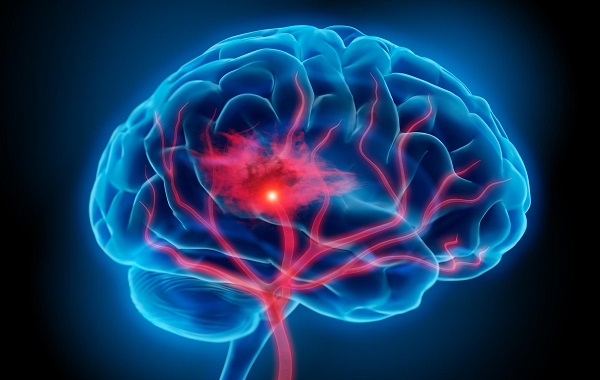
Brain hemorrhage, also known as intracerebral hemorrhage, is a serious and life-threatening medical condition caused by bleeding inside the
brain. It can lead to sudden neurological damage, long-term disability, or even death if not treated immediately. While brain hemorrhage can
occur unexpectedly, medical research shows that certain moments and conditions significantly increase the risk.
Understanding these high-risk periods can help people recognize warning signs early, manage risk factors, and take preventive measures -
especially those with hypertension, cardiovascular disease, or a history of stroke.
Below are five critical times when brain hemorrhage is more likely to occur.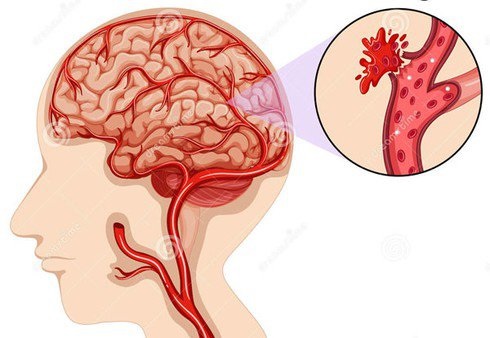
1. Early Morning Hours (Sudden Blood Pressure Surge)
One of the most dangerous periods for brain hemorrhage is the early morning, typically between 4 a.m. and 8 a.m.
During this time, the body undergoes natural physiological changes:
-
Blood pressure rises rapidly after waking
-
Heart rate increases
-
Stress hormones such as cortisol surge
For people with high blood pressure or weakened blood vessels, this sudden spike can cause fragile arteries in the brain to rupture.
Why It’s Dangerous
Blood vessels that have already been damaged by long-term hypertension may not withstand the sharp increase in pressure that occurs upon
waking.
Prevention Tips
-
Avoid jumping out of bed suddenly
-
Wake up slowly and calmly
-
Take blood pressure medication consistently as prescribed
-
Monitor morning blood pressure regularly
2. During Intense Physical or Emotional Stress
Moments of extreme stress - whether physical or emotional are another high-risk trigger for brain hemorrhage.
Examples include:
-
Heavy lifting or intense exercise
-
Sudden anger, fear, or emotional shock
-
Prolonged mental stress or anxiety
Stress causes blood pressure and heart rate to rise sharply, increasing pressure on cerebral blood vessels.
Why It’s Dangerous
Sudden spikes in blood pressure can overwhelm weakened or narrowed arteries, leading to rupture.
Prevention Tips
-
Avoid sudden strenuous activity, especially if you are not physically conditioned
-
Practice stress management techniques such as deep breathing or meditation
-
Maintain regular physical activity at a moderate level rather than sporadic intense workouts
3. During or After Excessive Alcohol Consumption
Alcohol has a direct impact on blood pressure and blood vessel stability. Heavy drinking - especially binge drinking significantly increases
the risk of brain hemorrhage.
Alcohol-related risks include:
-
Sudden increases in blood pressure
-
Impaired blood clotting
-
Weakened vessel walls over time
Why It’s Dangerous
Alcohol dilates blood vessels initially, then causes rebound constriction, which can trigger vessel rupture—especially in people with hypertension.
Prevention Tips
-
Limit alcohol intake
-
Avoid binge drinking
-
Stay well-hydrated
-
People with high blood pressure or stroke history should avoid alcohol altogether
4. During Extreme Temperature Changes
Sudden exposure to very cold or very hot temperatures can increase the risk of brain hemorrhage.
Examples include:
-
Stepping into cold weather suddenly in winter
-
Taking very hot baths or saunas
-
Rapid temperature changes between environments
Why It’s Dangerous
Cold causes blood vessels to constrict, raising blood pressure. Heat can lead to dehydration, thickened blood, and unstable circulation—both
of which strain cerebral vessels.
Prevention Tips
-
Dress appropriately for weather conditions
-
Avoid sudden temperature changes
-
Stay hydrated in hot environments
-
Limit time in saunas or hot baths
5. During Sleep or Late at Night (Uncontrolled Blood Pressure)
Many people assume sleep is a “safe” time, but brain hemorrhages can and do occur during the night.
Possible contributing factors:
-
Poorly controlled nighttime blood pressure
-
Sleep apnea
-
Missed or improperly timed medication
Why It’s Dangerous
Blood pressure does not drop normally in some individuals (known as “non-dippers”), increasing nighttime stroke risk. Symptoms may go
unnoticed until the person wakes with severe neurological deficits.
Prevention Tips
-
Take medications exactly as prescribed
-
Manage sleep apnea if present
-
Monitor blood pressure patterns, including nighttime readings
Warning Signs That Require Immediate Medical Attention
Brain hemorrhage often occurs suddenly. Seek emergency care immediately if any of the following symptoms appear:
-
Sudden, severe headache (“worst headache of your life”)
-
Loss of consciousness
-
Weakness or numbness on one side of the body
-
Slurred speech or difficulty understanding speech
-
Vision problems
-
Seizures
-
Sudden confusion or dizziness
Time is critical. Early treatment can save lives and reduce permanent damage.
Who Is at Higher Risk?
Certain individuals face a higher risk of brain hemorrhage, including those who:
-
Have high blood pressure
-
Smoke
-
Drink alcohol excessively
-
Have diabetes
-
Take blood-thinning medications
-
Have a history of stroke or vascular disease
Final Thoughts
Brain hemorrhage is a medical emergency that often strikes without warning - but it is not entirely unpredictable. Early morning hours, intense
stress, alcohol consumption, extreme temperature exposure, and nighttime blood pressure instability are five particularly dangerous moments
when risk increases.
By understanding these high-risk periods, managing blood pressure, reducing stress, and maintaining healthy habits, individuals can
significantly lower their risk.
Awareness saves lives. Paying attention to timing, lifestyle, and early warning signs may make the difference between rapid treatment and
irreversible damage.