Here’s a guide to 11 common foods that are often stored incorrectly, and simple ways to store them properly to maximize freshness and taste.
1. Tomatoes in Plastic: A Recipe for Ruin
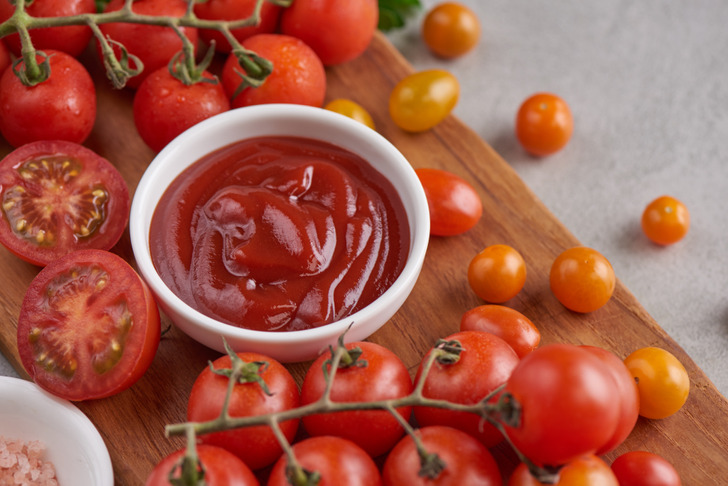
Tomatoes need to breathe, but plastic traps moisture, causing them to become mushy and flavorless.
Better approach: Store tomatoes at room temperature, in a single layer, stem side up, in a ventilated container like a basket or bowl. Air circulation keeps them fresh longer.
2. Cheese in Plastic Wrap: The Flavor Thief
:max_bytes(150000):strip_icc()/GettyImages-1206301974-2000-b678c888fab649fa9640a429a0bd5c48.jpg)
Cheese is a living food that needs airflow. Wrapping it tightly in plastic can suffocate it, trap moisture, and promote mold.
Better approach: Wrap cheese in parchment or wax paper, then place it in a loose plastic bag. For hard cheeses, consider a cheese dome or storage container.
3. Bread in Plastic Bags: The Enemy of Freshness
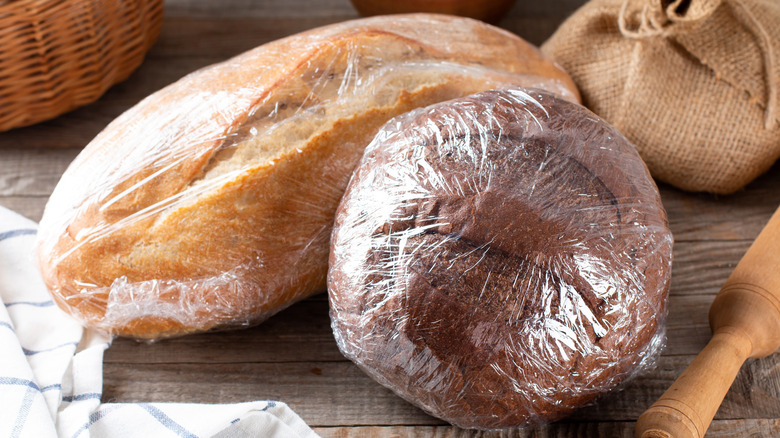
Plastic bags trap moisture, which can make bread go stale faster or grow mold.
Better approach: Store bread in a bread box or paper bag at room temperature. For longer storage, freeze bread in a freezer-safe bag.
4. Lettuce in Sealed Bags: A Wilting Mistake
Sealed plastic bags can make lettuce soggy and limp.Better approach: After washing and drying, store lettuce in a container lined with paper towels. Leave the lid slightly open or use a ventilated container to maintain crispness.
5. Coffee Beans in the Freezer: A Freshness Faux Pas
Freezing coffee beans can make them absorb moisture and odors, diminishing flavor.
Better approach: Store beans in an airtight container in a cool, dark pantry to maintain aroma and taste.
6. Olive Oil in Clear Bottles: Light’s Worst Enemy
Exposure to light can cause olive oil to oxidize and go rancid.
Better approach: Use dark, opaque bottles and store in a cool, dark place to preserve flavor and nutrients.
7. Nuts in the Pantry: A Rancid Risk
Nuts contain oils that go rancid when exposed to heat and light.
Better approach: Store nuts in an airtight container in the refrigerator or freezer to keep them fresh longer.
8. Honey in the Fridge: A Crystallization Catastrophe
Refrigeration causes honey to crystallize, making it hard to use.
Better approach: Store honey at room temperature in a tightly sealed container.
9. Avocados in the Fridge: A Ripening Roadblock
Fridge storage halts ripening, leaving avocados hard and flavorless.
Better approach: Keep avocados at room temperature until ripe. Once ripe, store in the fridge to extend shelf life a few extra days.
10. Onions in the Fridge: A Moisture Magnet
Fridge storage can make onions soft and moldy due to trapped moisture.
Better approach: Store onions in a cool, dry, well-ventilated place, like a pantry or cellar. Use a mesh bag or basket for airflow.
11. Potatoes in the Fridge: A Sweet Surprise
Refrigeration converts potato starches to sugar, causing an unusually sweet taste and altering texture.
Better approach: Store potatoes in a cool, dark place (pantry or cellar) in a paper bag or cardboard box to maintain flavor and texture.
Final Tip: The Right Storage Matters
Proper storage can extend shelf life, preserve flavor, and maintain nutrition. By making a few small adjustments, you can enjoy fresher, tastier food every day—and waste less in the process.