Hand numbness and tingling - often described as a “pins and needles” sensation - can range from a temporary annoyance to a sign of a more serious underlying condition. While many people experience this feeling occasionally, especially after sleeping in an awkward position, frequent or persistent symptoms should not be ignored. Understanding the potential causes can help identify whether the issue is harmless or requires medical attention.

What Causes Numbness and Tingling?
These sensations are typically related to the nervous system. Nerves carry signals between the brain and different parts of the body. When a nerve is compressed, irritated, or damaged, it can disrupt these signals, leading to numbness or tingling.
1. Temporary Pressure on Nerves
One of the most common and harmless causes is pressure on a nerve. This can happen when you:
- Sleep on your arm
- Sit in one position for too long
- Rest your wrist against a hard surface
When pressure is applied, it restricts blood flow and compresses the nerve, causing that familiar tingling sensation. Once the pressure is relieved, normal feeling usually returns within minutes.
2. Carpal Tunnel Syndrome
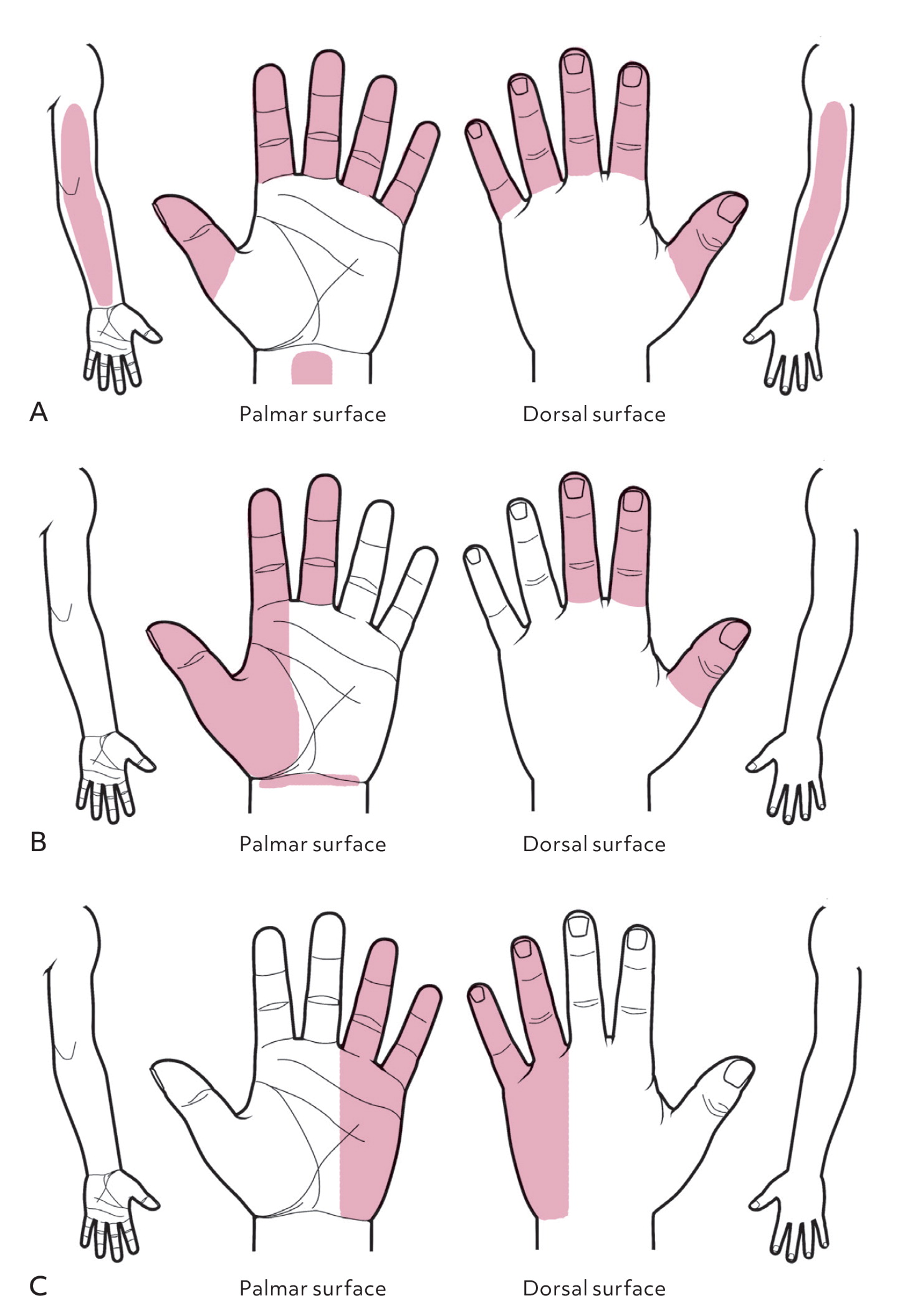
Carpal tunnel syndrome occurs when the median nerve in the wrist becomes compressed. This condition is common among people who perform repetitive hand movements, such as typing or using a mouse for extended periods.
Symptoms often include:
- Tingling in the thumb, index, and middle fingers
- Weakness in the hand
- Difficulty gripping objects
If left untreated, it can worsen over time and affect daily activities.
3. Poor Blood Circulation
Restricted blood flow can also lead to numbness in the hands. This may happen due to:
- Tight clothing or accessories
- Poor posture
- Circulatory conditions
When blood flow is reduced, nerves don’t receive enough oxygen, resulting in temporary numbness or tingling.
4. Vitamin Deficiencies
Certain vitamins are essential for maintaining healthy nerves. A deficiency—especially in vitamin B12—can lead to nerve damage over time.
Other important nutrients include:
- Vitamin B6
- Vitamin E
- Magnesium
People with unbalanced diets or digestive issues may be more susceptible to these deficiencies.
5. Diabetes
Diabetes can damage nerves over time, a condition known as diabetic neuropathy. This often begins in the extremities, including the hands and feet.
Common signs include:
- Persistent tingling or burning sensations
- Reduced sensitivity
- Gradual progression of symptoms
Managing blood sugar levels is key to preventing nerve damage.
6. Repetitive Strain Injury
Frequent use of the hands in repetitive tasks can lead to inflammation and nerve irritation. Activities like typing, gaming, or manual labor may contribute to this condition.
Over time, this can cause:
- Chronic discomfort
- Tingling sensations
- Reduced hand strength
Taking breaks and maintaining proper ergonomics can help reduce risk.
7. Neck and Spine Issues
Sometimes, the problem originates not in the hand but in the neck or spine. Conditions such as herniated discs or nerve compression in the cervical spine can affect the nerves that travel down to the hands.
Symptoms may include:
- Tingling that spreads from the neck to the hand
- Shoulder or arm pain
- Muscle weakness
Medical evaluation is often required in such cases.
8. Anxiety and Stress
Stress and anxiety can also trigger physical symptoms, including tingling in the hands. This is often due to changes in breathing patterns and blood flow during periods of heightened stress.
Although not dangerous, it can feel uncomfortable and alarming.
9. Other Medical Conditions
In some cases, numbness and tingling may be associated with more serious health conditions, such as:
- Autoimmune diseases
- Infections
- Neurological disorders
These conditions are less common but should be considered if symptoms are severe or persistent.
When Should You See a Doctor?
While occasional tingling is usually harmless, you should seek medical advice if:
- The sensation lasts for a long time
- It occurs frequently without a clear cause
- You experience weakness or loss of coordination
- Symptoms worsen over time
Early diagnosis can prevent complications and improve outcomes.

Conclusion
Hand numbness and tingling can have many causes, ranging from simple pressure on a nerve to more serious medical conditions. Paying attention to how often it occurs and any accompanying symptoms is essential. In many cases, simple lifestyle adjustments can help. However, persistent or worsening symptoms should always be evaluated by a healthcare professional to rule out underlying issues.