Hand Numbness: Harmless or a Warning Sign You Shouldn’t Ignore?
Waking up with numb hands can feel strange and even alarming. For many people, it’s just a temporary sensation. But in some cases, it may signal an underlying issue that deserves attention.
Understanding the difference between harmless numbness and a potential health concern is essential.
Why Do Your Hands Go Numb?
Hand numbness usually occurs when nerves or blood flow are affected.
In many cases, it happens because:
- A nerve is compressed
- Blood circulation is temporarily reduced
This often leads to the familiar “pins and needles” sensation.
Common Causes That Are Usually Harmless
1. Sleeping Position
One of the most common reasons is simply how you sleep.
If you lie on your arm or keep your hand in an awkward position, it can compress nerves or blood vessels, causing numbness.
The good news: this type of numbness usually disappears within minutes after changing position.
2. Temporary Nerve Pressure
Pressure on key nerves in the arm—such as the median, ulnar, or radial nerves—can interrupt signals to the hand.
This is often short-term and not dangerous.
When It Might Be a Warning Sign
While occasional numbness is normal, frequent or persistent symptoms may point to deeper problems.
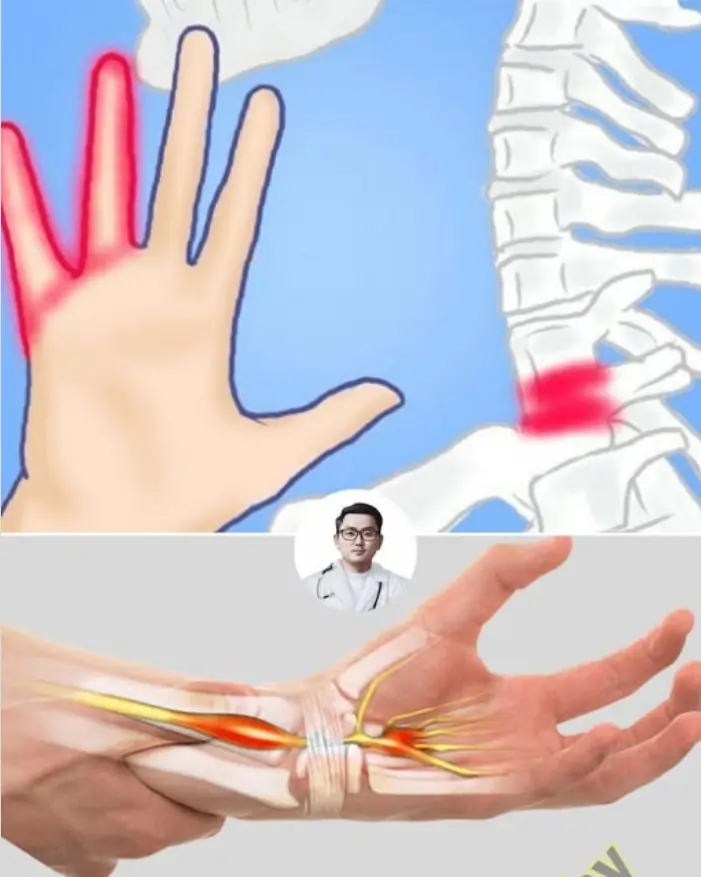
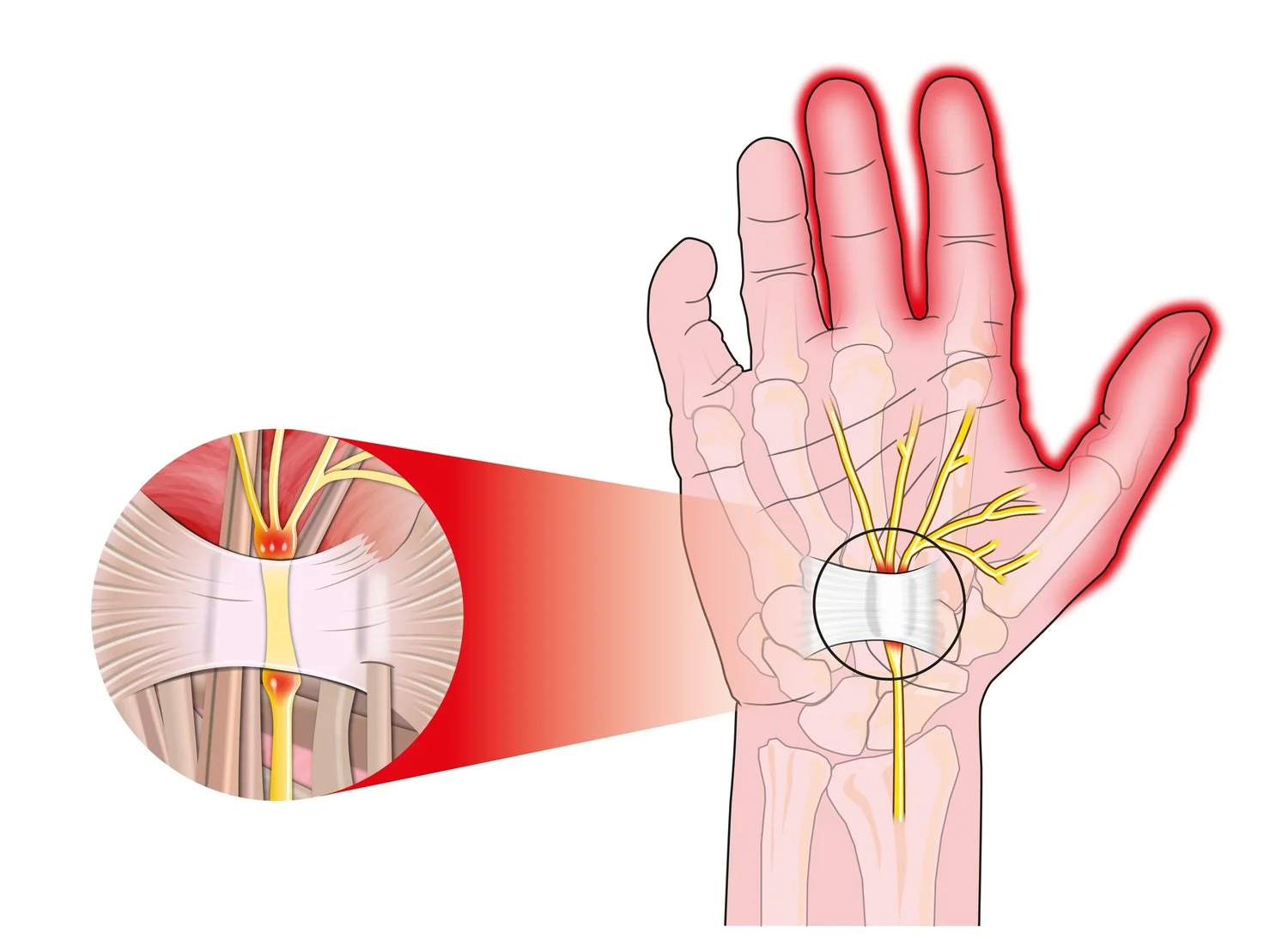
1. Carpal Tunnel Syndrome
This condition occurs when the median nerve is compressed at the wrist.
It may cause:
- Numbness, especially at night
- Tingling in fingers
- Weak grip
2. Poor Circulation or Nerve Damage
Conditions that affect blood flow or nerve function can also lead to numbness.
Possible causes include:
- Diabetes-related nerve damage
- Vitamin deficiencies (especially B12)
- Neck or spine issues
3. Other Underlying Conditions
In some cases, numbness may be linked to:
- Peripheral neuropathy
- Thoracic outlet syndrome
- More serious neurological conditions
Although less common, these should not be ignored if symptoms persist.
Signs You Should See a Doctor
You should seek medical advice if numbness:
- Happens frequently
- Lasts for a long time
- Is accompanied by pain, weakness, or other unusual symptoms
Persistent numbness may indicate nerve damage or another health issue that requires treatment.
How to Reduce Hand Numbness
Simple lifestyle changes can often help:
- Avoid sleeping on your arms
- Improve sleeping posture
- Stay physically active
- Maintain proper nutrition
Small adjustments can significantly reduce symptoms.
Conclusion
Hand numbness is often harmless—but not always.
Occasional tingling may simply be your body reacting to pressure or position. However, if it happens frequently or worsens over time, it could be your body’s way of signaling a deeper issue.
Listening to these signals early can help protect your long-term health.