A clean bathroom doesn't just look better—it also helps create a healthier and more pleasant home environment. Unfortunately, even with regular cleaning, many toilets develop stubborn yellow stains over time. These marks can make an otherwise clean bathroom appear neglected, and they often become more difficult to remove the longer they remain.
The good news is that many yellow stains can be reduced or removed with consistent cleaning and the right techniques. Whether the stains are caused by hard water, mineral buildup, or everyday use, a few simple household methods can help restore your toilet's appearance.
Here's what causes yellow toilet stains and how to deal with them safely and effectively.

What Causes Yellow Toilet Stains?
Understanding the cause of the stain makes choosing the right cleaning method much easier.
Common causes include:
-
Hard water mineral deposits
-
Limescale buildup
-
Iron or rust in the water supply
-
Urine residue
-
Infrequent cleaning
-
Standing water that allows minerals to accumulate
If you live in an area with hard water, yellow or brown stains may appear more quickly despite regular cleaning.
1. White Vinegar and Baking Soda
One of the most popular household cleaning methods combines white vinegar and baking soda.
You'll Need
-
1 cup of white vinegar
-
½ cup of baking soda
-
Toilet brush
How to Use It
-
Pour the vinegar into the toilet bowl.
-
Sprinkle in the baking soda.
-
Allow the mixture to fizz for about 20–30 minutes.
-
Scrub thoroughly with a toilet brush.
-
Flush the toilet.
This method may help loosen light mineral deposits and everyday grime.
2. Citric Acid or Lemon Juice
Citric acid helps dissolve some mineral deposits that contribute to yellow staining.
Instructions
-
Pour fresh lemon juice or a citric acid solution around the stained area.
-
Let it sit for 20–30 minutes.
-
Scrub gently with a toilet brush.
-
Flush with clean water.
The fresh citrus scent is an added bonus.
3. Use a Toilet Cleaner Designed for Limescale
If household methods are not effective, a commercial toilet cleaner formulated to remove limescale or mineral deposits may work better.
Always:
-
Read the manufacturer's instructions.
-
Wear gloves.
-
Ensure good ventilation.
-
Keep cleaning products away from children and pets.
Follow the recommended contact time for the best results.
4. Scrub Regularly
Consistent cleaning helps prevent stains from becoming deeply embedded.
Aim to:
-
Brush the bowl at least once a week.
-
Clean under the rim.
-
Reach the waterline where mineral deposits often collect.
Frequent light cleaning is usually easier than removing heavy buildup later.

5. Use a Pumice Stone Carefully
A pumice stone designed specifically for toilet cleaning can sometimes remove stubborn mineral deposits.
Important tips:
-
Wet both the stone and the toilet surface first.
-
Rub gently.
-
Avoid excessive pressure.
-
Do not use on delicate surfaces that could scratch.
Always check that the product is suitable for your toilet before use.
6. Address Hard Water Problems
If hard water is the main cause of staining, prevention is just as important as cleaning.
Possible solutions include:
-
Installing a water softener
-
Cleaning more frequently
-
Using products designed to reduce mineral buildup
Reducing mineral deposits can make future cleaning much easier.
7. Don't Forget Under the Rim
Many stains begin where water flows from beneath the toilet rim.
Use a brush with angled bristles to clean:
-
Under the rim
-
Around water outlets
-
Hidden edges
These areas are often overlooked during routine cleaning.
8. Flush Regularly
If a toilet is rarely used, standing water allows minerals to settle and build up.
Flushing unused toilets every few days helps reduce deposits and keeps the bowl fresher.
Cleaning Supplies That Can Help
Keeping a few basic supplies on hand makes routine maintenance easier.
Useful items include:
-
Toilet brush
-
Rubber gloves
-
White vinegar
-
Baking soda
-
Citric acid
-
Microfiber cloths
-
Toilet cleaner formulated for mineral deposits
Having dedicated bathroom cleaning tools also helps maintain good hygiene.
Safety Tips
Cleaning products should always be used carefully.
Never Mix Bleach with Acidic Cleaners
Do not mix bleach with:
-
Vinegar
-
Lemon juice
-
Toilet bowl cleaners that contain acids
-
Ammonia-based products
Mixing incompatible cleaners can release dangerous gases.
Always use one product at a time and rinse thoroughly before switching to another.
Improve Ventilation
Open a window or turn on the bathroom exhaust fan while cleaning.
Good airflow helps reduce exposure to cleaning product fumes.
Wear Gloves
Protect your hands from:
-
Cleaning chemicals
-
Germs
-
Skin irritation
Wash your hands thoroughly after cleaning.
How to Prevent Yellow Stains
Preventive maintenance saves time and effort.
Simple habits include:
-
Clean the toilet weekly.
-
Flush regularly.
-
Wipe away splashes promptly.
-
Remove mineral buildup before it hardens.
-
Fix leaks that allow constant water flow.
-
Use an appropriate cleaner for your water type.
Small routines can make a noticeable difference over time.
Common Cleaning Mistakes
Waiting Too Long
Old stains become harder to remove than fresh ones.
Using Abrasive Tools
Steel wool or harsh abrasives may scratch porcelain, making future stains easier to collect.
Ignoring the Waterline
Mineral deposits often build up at the waterline and should be cleaned regularly.
Using Too Much Cleaner
More product doesn't always produce better results.
Following the manufacturer's instructions is usually the most effective approach.
When Stains Won't Come Off
If yellow stains remain despite repeated cleaning, they may be caused by:
-
Heavy mineral deposits
-
Rust
-
Damage to the porcelain finish
-
Long-term hard water buildup
In these situations, stronger specialty cleaning products or professional advice may be needed.
The Bottom Line
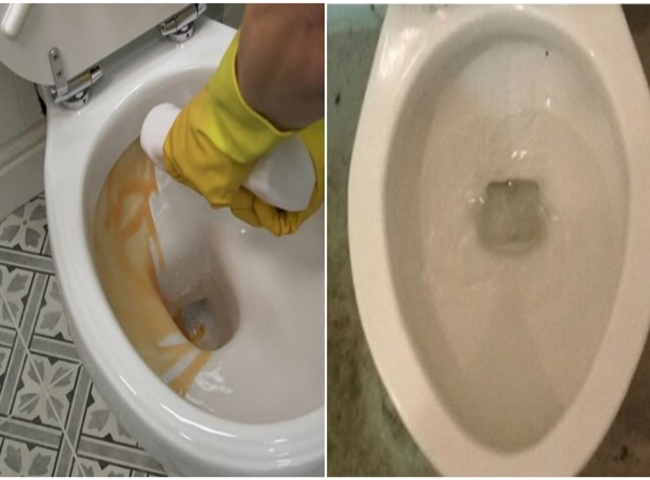
Yellow toilet stains are common and are often caused by hard water, mineral deposits, rust, or everyday use. Fortunately, regular cleaning and the right techniques can help keep your toilet looking fresh and clean. Household options such as white vinegar, baking soda, and citric acid may help with lighter stains, while commercial limescale removers can be useful for more stubborn buildup.
The key is consistency. Cleaning your toilet regularly, addressing hard water issues when possible, and following safe cleaning practices can help prevent stains from returning and keep your bathroom looking its best throughout the year.