
Scientists Say This Simple Kitchen Ingredient Removes More Pesticides Than Vinegar
The Right Way to Wash Grapes: Most People Are Doing It Wrong
Tips 05/07/2026 09:30
Wooden doors and furniture bring warmth, beauty, and timeless elegance to any home. Whether it's a handcrafted dining table, a solid wood wardrobe, or an antique cabinet passed down through generations, wooden furnishings are often valuable investments that deserve proper care.
One of the biggest threats to wooden structures and furniture is termites. These tiny insects feed on cellulose, the natural material found in wood, and can cause significant damage if left unchecked. Because termites often work quietly inside wood, homeowners may not notice an infestation until the damage becomes severe.
The good news is that regular maintenance, moisture control, and early detection can greatly reduce the risk of termite problems. While some homemade methods may help discourage termites in certain situations, they should not replace professional treatment when an active infestation is present.
Here are practical tips to help protect your wooden doors and furniture from termites.
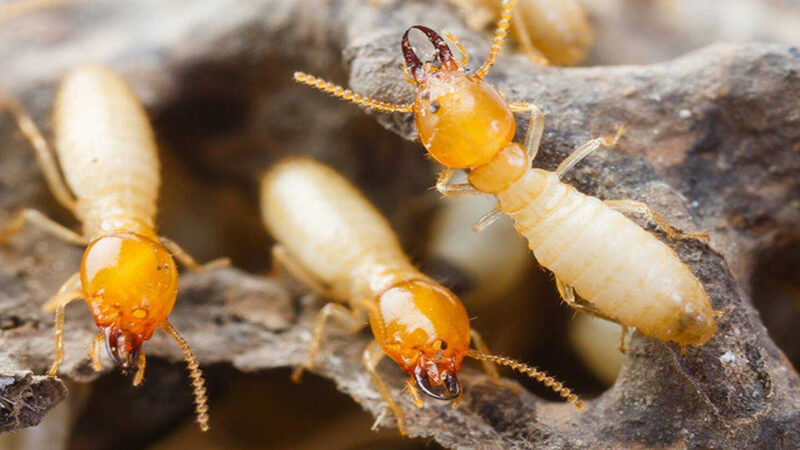
Termites are often attracted to damp environments.
Wood that remains moist for long periods becomes more vulnerable to termite activity and fungal decay.
To reduce moisture:
Repair leaking pipes promptly.
Fix roof leaks.
Improve ventilation.
Use dehumidifiers in damp rooms.
Avoid allowing water to collect near wooden structures.
Keeping wood dry is one of the simplest and most effective preventive measures.
Routine inspections can help you catch problems before extensive damage occurs.
Look for signs such as:
Tiny holes in the wood
Hollow-sounding wood when tapped
Fine, sawdust-like particles
Mud tubes on walls or foundations
Peeling paint without an obvious cause
Warped wood
Small piles of discarded wings near windows or doors
Early detection makes treatment easier and may reduce repair costs.
Dust, dirt, and food debris can accumulate around furniture over time.
Although termites do not feed on dust, keeping furniture clean allows you to notice early warning signs more easily.
Clean wooden furniture regularly with:
A soft microfiber cloth
Mild soap and water (used sparingly)
Wood-specific cleaning products recommended by the manufacturer
Avoid soaking wood with excessive water.
Wood that touches the ground is at greater risk of termite attack.
Whenever possible:
Keep wooden furniture indoors.
Raise outdoor wooden structures off the ground.
Store firewood away from the house.
Avoid stacking untreated wood against exterior walls.
Reducing direct contact with soil limits termite access.
Paints, varnishes, sealants, and wood finishes provide an extra layer of protection against moisture and everyday wear.
Although finishes do not guarantee termite prevention, they help reduce cracks and moisture absorption that may make wood more vulnerable.
Inspect protective coatings periodically and reapply them when needed.
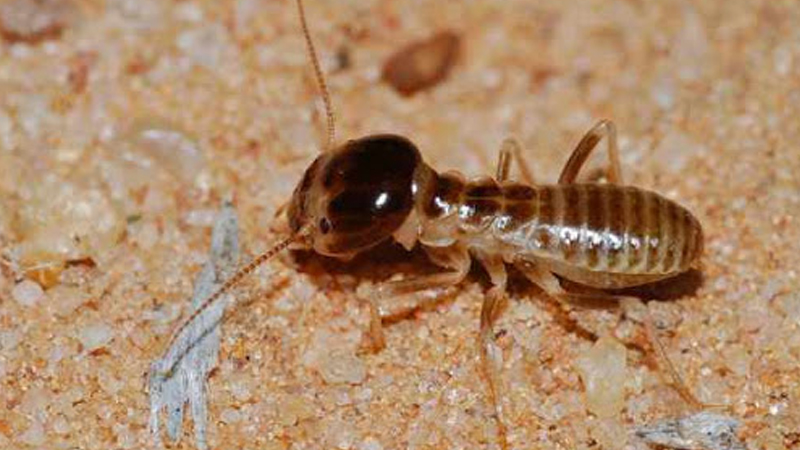
Termites often hide in piles of:
Cardboard boxes
Firewood
Old newspapers
Lumber
Dead tree branches
Yard debris
Keeping storage areas organized and dry reduces potential termite habitats.
Store cardboard and wood products away from the home's foundation whenever possible.
Many traditional home remedies are shared online, including mixtures made with vinegar, essential oils, citrus extracts, or borax.
Some of these substances may discourage termites temporarily under certain conditions, but there is limited scientific evidence that homemade solutions can eliminate established termite colonies.
If you choose to try a homemade remedy:
Test it on a small hidden area first to avoid damaging the wood.
Understand that it should be viewed as a supplemental measure—not a guaranteed solution.
Borate wood preservatives are commonly used to help protect untreated wood from termites and certain wood-destroying fungi.
These products are generally applied before or during construction, or to unfinished wood.
Always:
Follow the manufacturer's instructions.
Wear appropriate protective equipment.
Keep products away from children and pets.
If you live in an area where termites are common, periodic inspections by a licensed pest control professional can help detect hidden infestations.
Professional inspectors may identify problems that are difficult to see from the surface.
Routine inspections are particularly valuable for:
Older homes
Wooden houses
Homes with previous termite activity
Properties in warm, humid climates
If you notice signs of active termites, delaying treatment can allow the infestation to spread.
Depending on the situation, a pest management professional may recommend:
Baiting systems
Liquid termiticides
Targeted wood treatments
Localized spot treatments
Structural repairs if necessary
Professional treatment is often the most effective option for established infestations.
Knowing what to look for can help you respond early.
Possible warning signs include:
Hollow wood
Doors or windows that suddenly become difficult to close
Bubbling or peeling paint
Sagging floors
Cracked wood surfaces
Mud tunnels along foundations
Swarming winged termites during certain seasons
Not every damaged piece of wood contains termites, but these signs deserve investigation.
Protecting wood from termites is only one part of proper maintenance.
To preserve your furniture:
Keep it away from direct sunlight.
Avoid excessive humidity.
Clean spills promptly.
Dust regularly.
Use furniture polish sparingly if appropriate.
Lift furniture instead of dragging it across the floor.
Place protective pads under heavy objects.
These simple habits help maintain both appearance and durability.
Fact: Paint provides some surface protection but does not make wood termite-proof.
Fact: New wood can also become infested if termites gain access.
Fact: While some home remedies may discourage termites temporarily, severe infestations usually require professional treatment.
Fact: Even homes built primarily from concrete may contain wooden doors, cabinets, flooring, roof structures, or trim that termites can attack.
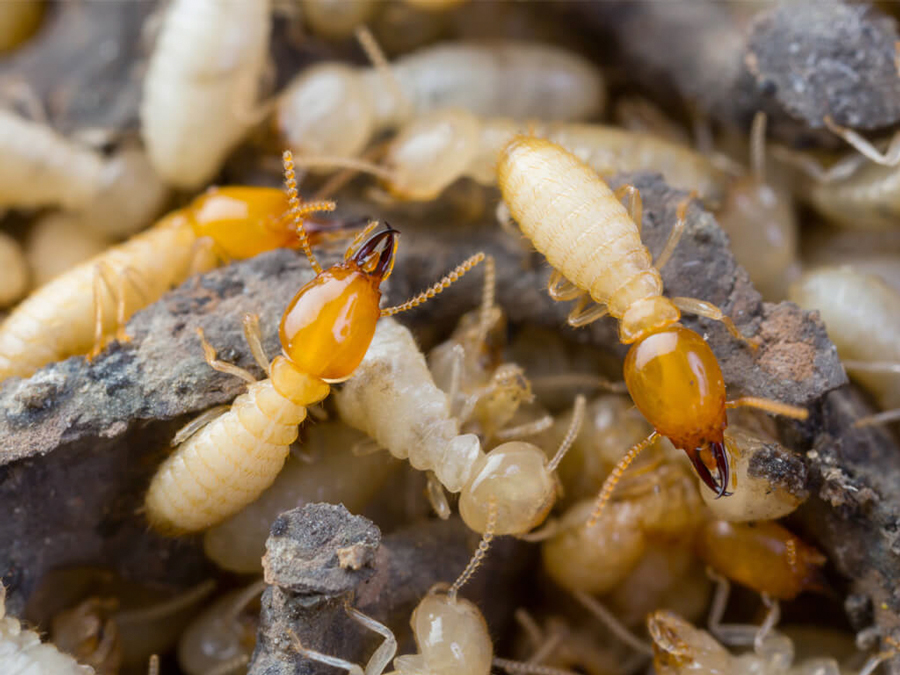
Termites can quietly cause extensive damage to wooden doors and furniture, but regular maintenance and early detection go a long way in protecting your home. Keeping wood dry, inspecting furniture regularly, reducing moisture, minimizing wood-to-soil contact, applying protective finishes, and maintaining a clean environment are all effective preventive measures.
While homemade remedies may provide limited support in some situations, they should not be relied upon to eliminate an active termite infestation. If you notice clear signs of termite activity, consulting a licensed pest control professional is the most reliable way to protect your home and preserve the beauty of your wooden furniture for years to come.
The Right Way to Wash Grapes: Most People Are Doing It Wrong

Can Peppercorns Really Help Around the House? Here's What We Know

The Garlic Bulbs Smart Shoppers Always Avoid

Before your next banana hits the trash, read this first!
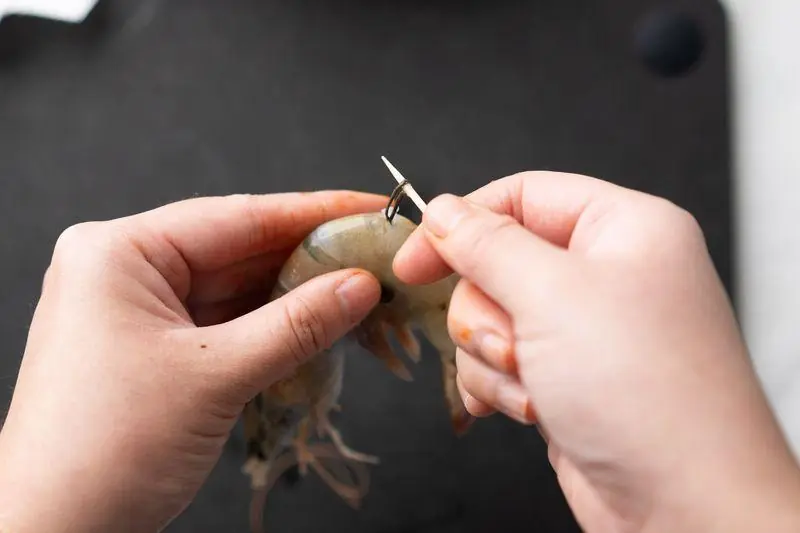
That dark line in shrimp isn't always dangerous—but here's what it really is.
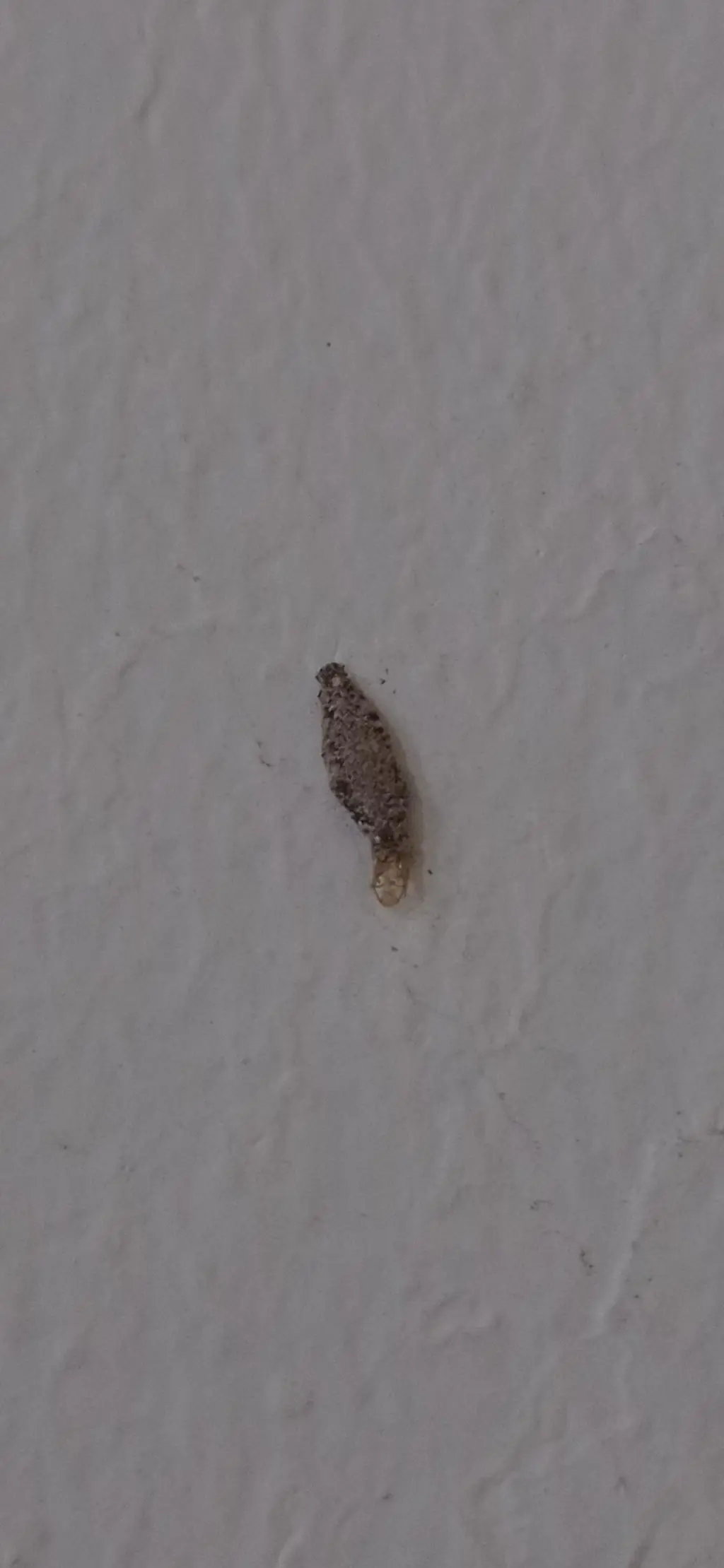
Tiny oval cases indoors may signal hidden pests—learn what they really mean.

Mice Can Be Persistent - Here Are 6 Ways to Make Your Home Less Inviting

These 4 Types of Plants Could Provide Ideal Hiding Spots for Snakes

Thinking About Drinking Lemon Water? Here Are 15 Possible Health Benefits

Eggshells Can Be Reused in Several Helpful Ways - Here's What You Should Know

This Tiny Phone Button Can Save You Time Every Single Day.

This simple 15-minute trick may clear your sink without harsh chemicals.
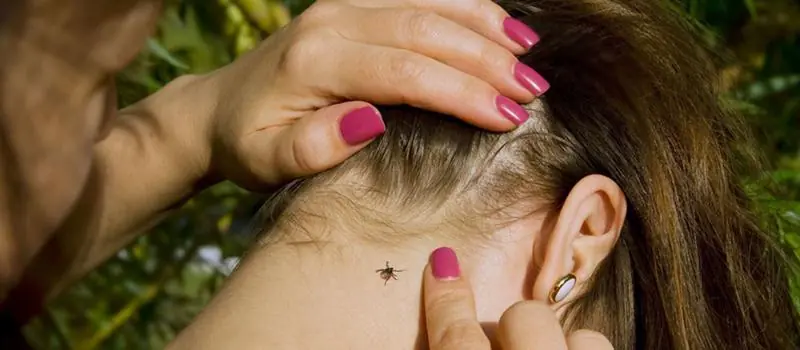
My girlfriend was washing her hair when this suddenly fell out of her head. It’s about 1 cm long. My girlfriend and I have been sitting here staring at it, trying to understand what it is. Does anyone know what this could be?
Simple maintenance can often solve AC leaks and restore cooling performance.
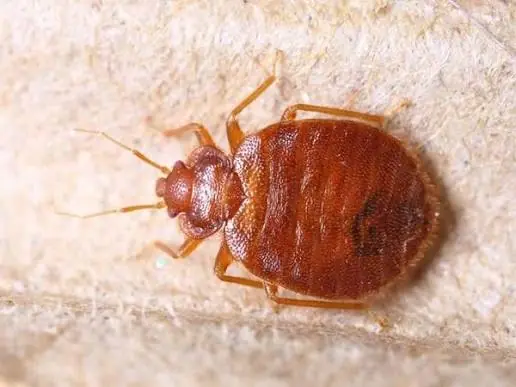
Bedbug Infestations: Causes, Signs, and Effective Control Methods

Your Eyes Go Here First—What Could It Mean?

Not All Fish Are Equal—These Six Deserve Extra Caution

Think a Water Bottle Is Harmless? Think Again

5 Common Plants That May Encourage Snakes to Visit Your Garden

10 Possible Signs You're Not Drinking Enough Water

Orange Peels and Ginger: A Traditional Combination Worth Trying

Thinking About Eating More Celery? Here's What You Should Know

Start the Week Feeling Refreshed with This Nourishing Green Juice Recipe

Your Body Could Be Sending These 7 Blood Sugar Warning Signals While You Sleep

Garlic and Ghee: Exploring the Potential Benefits of This Traditional Combination

Heel Pain That Won't Go Away? Here's What It Could Mean
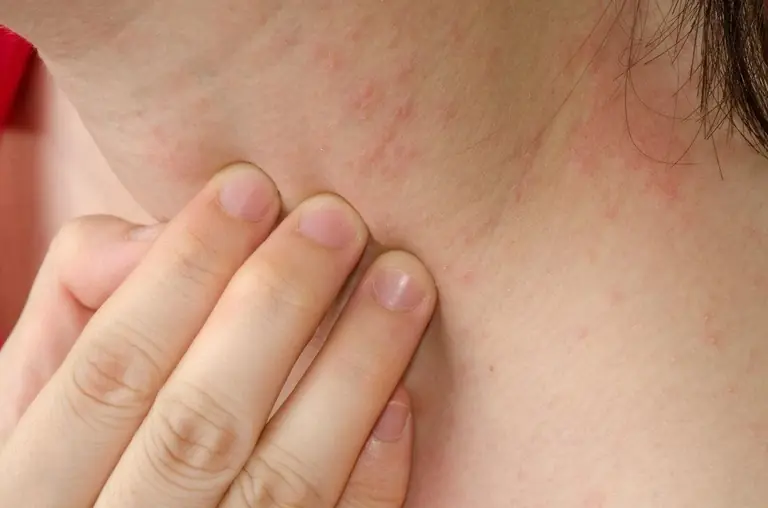
Don't Ignore Ongoing Itching - It May Sometimes Be Related to Liver Health

Corn Silk Tea: A Traditional Herbal Drink with Potential Health Benefits

Choosing the Right Time to Shower: What You Should Know

10 Symptoms That Could Be Worth Checking Out
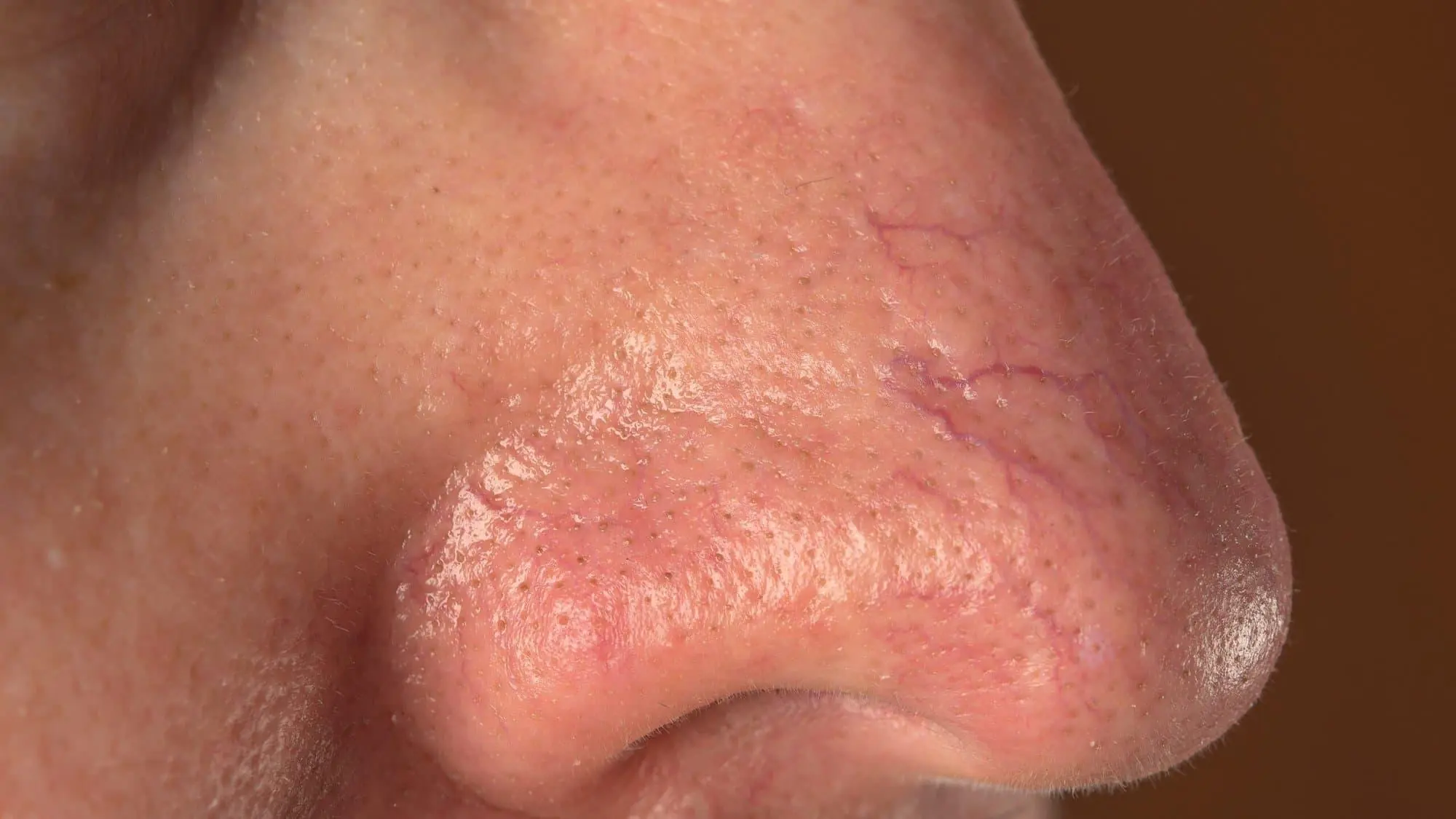
5 Changes on Your Nose That Doctors Say You Should Never Ignore

The Simple 2-Tablespoon Trick That May Help Your Digestive System

This Everyday Meat Could Be Affecting Your Health More Than You Realize 👇

A 10-Second Fridge Adjustment That May Help Save Energy

A Simple 2-Ingredient Remedy That Some People Use to Help Loosen Mucus
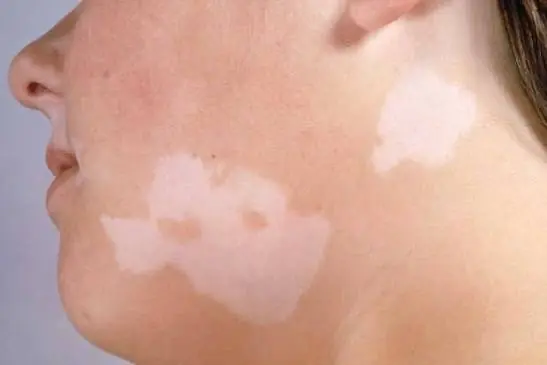
If You've Noticed Tiny White Spots on Your Arms or Legs, Read This First 👇

Doctors Say These Early Thyroid Signs Are Often Overlooked

This Symptom Seemed Minor—Until a 25-Year-Old Was Diagnosed With Stage 3 Colon Cancer...