
Your Body May Be Telling You It's Time to Drink More Water - Here Are 10 Clues
10 Possible Signs You're Not Drinking Enough Water
Health 05/07/2026 16:42
Celery has long been a staple in soups, salads, and vegetable trays, but in recent years it has gained enormous popularity as a "superfood." Social media, wellness influencers, and health enthusiasts often praise celery especially celery juice - for its supposed ability to detox the body, promote weight loss, and improve overall health.
While some of these claims are exaggerated, celery is undeniably a nutritious vegetable that can be part of a healthy eating pattern. Rich in water, fiber, vitamins, minerals, and beneficial plant compounds, celery offers several evidence-based health benefits when consumed regularly as part of a balanced diet.
Let's explore why celery has become so popular and what current science actually says about its potential health benefits.
Celery (Apium graveolens) is a crunchy, low-calorie vegetable commonly eaten raw or cooked.
Nearly every part of the plant is edible, including:
Stalks
Leaves
Seeds
Celery is naturally high in water, making it refreshing and hydrating.
One serving of celery provides:
Dietary fiber
Vitamin K
Vitamin C
Potassium
Folate
Small amounts of calcium and magnesium
Antioxidants
Plant compounds such as flavonoids
Although celery is low in calories, it contributes valuable nutrients to a balanced diet.
Celery is made up of about 95% water.
Eating water-rich foods can help support daily hydration, especially when combined with adequate fluid intake.
Proper hydration supports:
Kidney function
Digestion
Body temperature regulation
Healthy circulation
Physical performance
However, celery should complement—not replace—drinking enough water.
Celery contains several antioxidant compounds, including:
Flavonoids
Vitamin C
Beta-carotene
Luteolin
Antioxidants help protect cells from damage caused by unstable molecules known as free radicals.
A diet rich in antioxidant-containing fruits and vegetables is associated with better long-term health.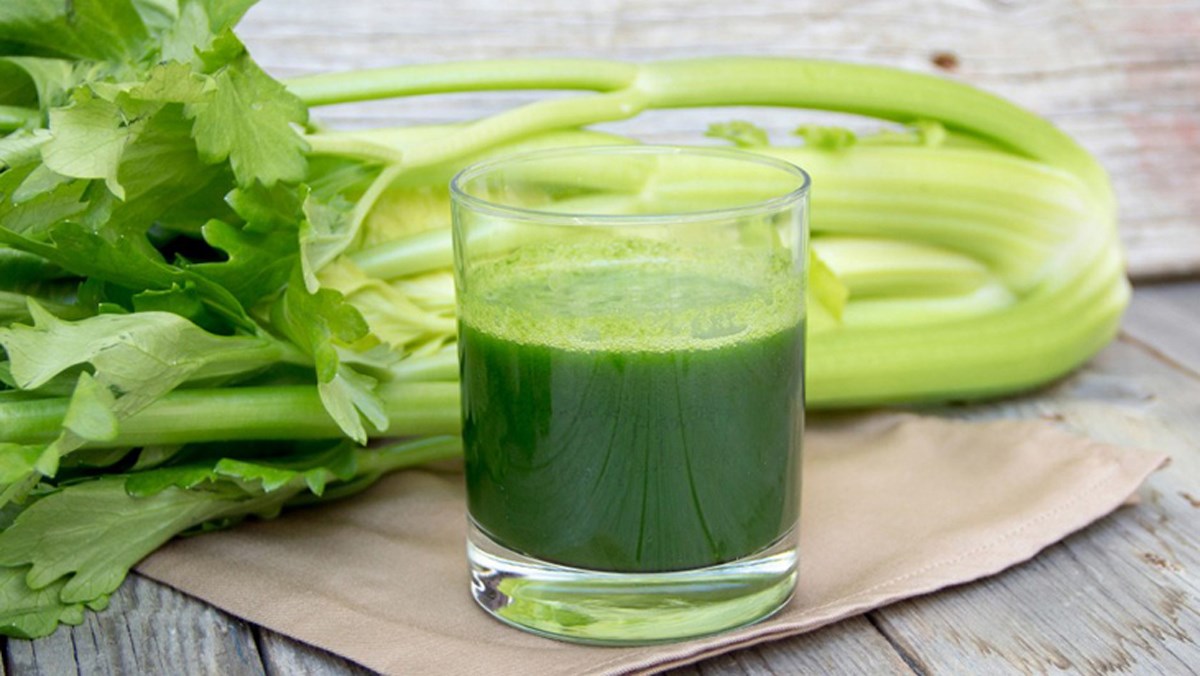
Whole celery is a good source of dietary fiber.
Fiber helps:
Promote regular bowel movements
Support healthy digestion
Feed beneficial gut bacteria
Increase feelings of fullness
It's important to note that celery juice contains much less fiber than whole celery, since much of the fiber is removed during juicing.
For digestive health, eating the whole vegetable generally provides greater benefits.
Celery contains nutrients that contribute to cardiovascular health, including:
Potassium
Fiber
Antioxidants
Potassium helps regulate normal muscle and nerve function and supports healthy blood pressure.
Some laboratory studies have examined plant compounds in celery for potential cardiovascular benefits, but more human research is needed.
No single food can prevent heart disease.
Celery is naturally very low in calories.
This makes it a satisfying snack for people who want:
More vegetables
High-volume foods
Nutritious snack options
Pairing celery with healthy foods such as hummus or nut butter can provide additional protein and healthy fats.
Celery does not directly burn fat.
However, replacing highly processed snacks with vegetables like celery may help reduce overall calorie intake.
Successful weight management depends on:
Overall diet
Physical activity
Sleep
Long-term healthy habits
Celery can be one useful part of that approach.
Celery is a good source of vitamin K.
Vitamin K plays an important role in:
Normal blood clotting
Bone metabolism
Maintaining healthy bones
People taking blood-thinning medications such as Warfarin should maintain a consistent intake of vitamin K-rich foods and discuss dietary changes with their healthcare provider.
Many processed snack foods are high in sodium.
Replacing salty snacks with celery may help lower sodium intake while increasing vegetable consumption.
Lower sodium intake may support healthy blood pressure in many people.
Celery juice became especially popular through social media.
Many claims suggest it can:
Detox the body
Cure chronic illness
Improve digestion
Heal inflammation
Promote rapid weight loss
However, current scientific evidence does not support these sweeping claims.
While celery juice does provide some vitamins and minerals, it is not a miracle drink.
Whole celery generally offers greater nutritional value because it contains more fiber.
This is one of the most common myths.
The truth is:
Your liver and kidneys already perform the body's natural detoxification processes.
There is no scientific evidence that celery or celery juice removes toxins from the body.
Its health benefits come from its nutrients—not from "detoxifying" effects.
Some studies have explored natural compounds in celery, such as phthalides, which may influence blood vessel relaxation.
While early research is interesting, celery should not replace prescribed blood pressure medications.
Anyone with high blood pressure should follow their healthcare provider's treatment plan.
Celery is safe for most people.
However, some individuals should use caution.
Although uncommon, celery allergy can cause serious allergic reactions in sensitive individuals.
Seek immediate medical attention if symptoms such as difficulty breathing, swelling, or widespread hives occur after eating celery.
Because celery contains vitamin K, people taking Warfarin should avoid making major changes to their intake without medical advice.
Celery contains potassium.
Individuals with advanced chronic kidney disease may need personalized dietary guidance regarding potassium-rich foods.
Celery is extremely versatile.
Try it:
Raw with hummus
In salads
Added to soups
Stir-fried with vegetables
In smoothies
Filled with peanut butter or almond butter
Mixed into chicken or tuna salad
Choosing whole celery instead of juice helps maximize fiber intake.
There is no scientific evidence that celery juice cures chronic illnesses.
No food specifically targets belly fat.
Weight loss depends on sustained healthy lifestyle habits.
Not necessarily.
Whole celery provides more dietary fiber, which supports digestive health and satiety.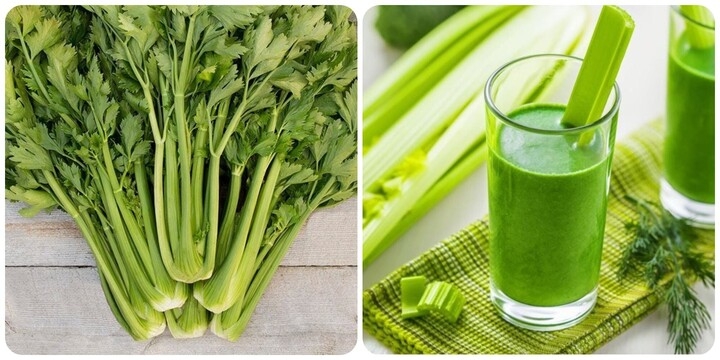
Celery has earned its reputation as a healthy food because it is naturally low in calories, rich in water, and provides valuable nutrients such as fiber, vitamin K, potassium, vitamin C, and antioxidants. Eating celery regularly can support hydration, digestive health, heart health, and overall wellness as part of a balanced diet.
At the same time, it's important to separate facts from marketing hype. Celery is not a miracle food, and celery juice does not detox the body, cure chronic diseases, or replace medical treatment. Its greatest value comes from being one of many nutritious vegetables that contribute to a healthy eating pattern.
Rather than relying on celery alone, focus on enjoying a wide variety of fruits, vegetables, whole grains, lean proteins, and healthy fats. Combined with regular physical activity, adequate sleep, and routine healthcare, celery can be a simple and delicious addition to a lifestyle that supports long-term health.
10 Possible Signs You're Not Drinking Enough Water

Orange Peels and Ginger: A Traditional Combination Worth Trying

Start the Week Feeling Refreshed with This Nourishing Green Juice Recipe

Your Body Could Be Sending These 7 Blood Sugar Warning Signals While You Sleep

Garlic and Ghee: Exploring the Potential Benefits of This Traditional Combination

Heel Pain That Won't Go Away? Here's What It Could Mean

Don't Ignore Ongoing Itching - It May Sometimes Be Related to Liver Health

Corn Silk Tea: A Traditional Herbal Drink with Potential Health Benefits

Choosing the Right Time to Shower: What You Should Know

10 Symptoms That Could Be Worth Checking Out

5 Changes on Your Nose That Doctors Say You Should Never Ignore

The Simple 2-Tablespoon Trick That May Help Your Digestive System

This Everyday Meat Could Be Affecting Your Health More Than You Realize 👇

A Simple 2-Ingredient Remedy That Some People Use to Help Loosen Mucus

If You've Noticed Tiny White Spots on Your Arms or Legs, Read This First 👇

Doctors Say These Early Thyroid Signs Are Often Overlooked

This Symptom Seemed Minor—Until a 25-Year-Old Was Diagnosed With Stage 3 Colon Cancer...

What You Do Every Day Matters More to Your Heart Than You Think...

A Simple Allergy? That's What He Believed Until the Medical Tests Came Back...
10 Possible Signs You're Not Drinking Enough Water
Orange Peels and Ginger: A Traditional Combination Worth Trying

Protect Your Wooden Furniture: Simple Home Remedies and Prevention Tips
Start the Week Feeling Refreshed with This Nourishing Green Juice Recipe
Your Body Could Be Sending These 7 Blood Sugar Warning Signals While You Sleep
Garlic and Ghee: Exploring the Potential Benefits of This Traditional Combination
Heel Pain That Won't Go Away? Here's What It Could Mean
Don't Ignore Ongoing Itching - It May Sometimes Be Related to Liver Health
Corn Silk Tea: A Traditional Herbal Drink with Potential Health Benefits
Choosing the Right Time to Shower: What You Should Know
10 Symptoms That Could Be Worth Checking Out
5 Changes on Your Nose That Doctors Say You Should Never Ignore
The Simple 2-Tablespoon Trick That May Help Your Digestive System
This Everyday Meat Could Be Affecting Your Health More Than You Realize 👇

A 10-Second Fridge Adjustment That May Help Save Energy
A Simple 2-Ingredient Remedy That Some People Use to Help Loosen Mucus
If You've Noticed Tiny White Spots on Your Arms or Legs, Read This First 👇
Doctors Say These Early Thyroid Signs Are Often Overlooked
This Symptom Seemed Minor—Until a 25-Year-Old Was Diagnosed With Stage 3 Colon Cancer...