
Your Body May Be Telling You It's Time to Drink More Water - Here Are 10 Clues
10 Possible Signs You're Not Drinking Enough Water
Health 05/07/2026 16:42
There's something refreshing about starting a new week with healthy intentions. Whether your goal is to eat more vegetables, stay hydrated, or simply enjoy a nutritious breakfast, a homemade green juice can be a delicious way to begin.
A blend of kale, cucumber, celery, green apple, ginger, and lemon combines a variety of vitamins, minerals, antioxidants, and natural flavors into one refreshing drink. While no juice can "detox" your body or replace a balanced diet, this colorful combination can help you increase your intake of plant-based nutrients and make healthy eating more enjoyable.
Let's explore what each ingredient contributes and how this simple green juice can fit into a healthy lifestyle.
Preparing your own juice allows you to control exactly what goes into your glass.
Unlike many bottled beverages, homemade juices contain:
No added sugars (unless you choose to add them)
No artificial colors or flavors
Fresh ingredients
Natural flavors from fruits and vegetables
Using a variety of produce also increases the diversity of nutrients in your diet.
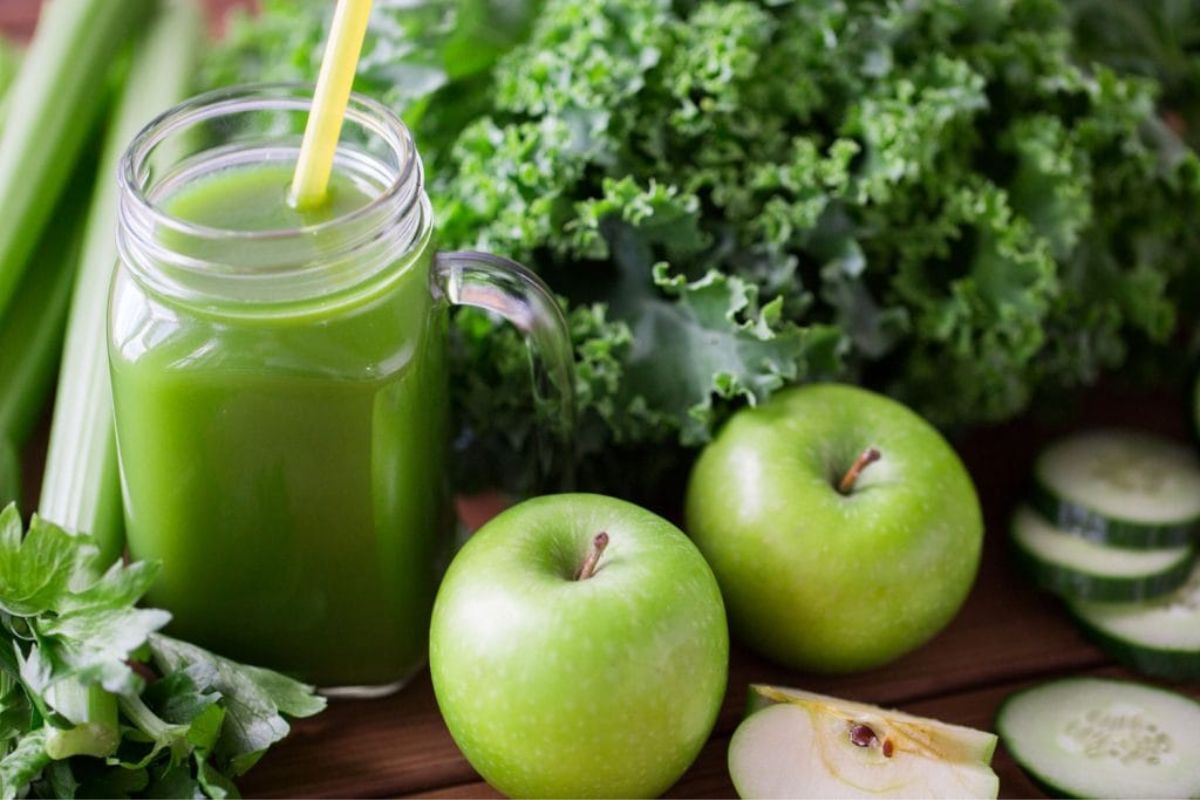
Kale is often considered one of the most nutrient-dense leafy green vegetables.
It provides:
Vitamin A
Vitamin C
Vitamin K
Folate
Calcium
Potassium
Fiber (more if blended rather than juiced)
Antioxidants such as lutein and beta-carotene
These nutrients support many normal body functions, including immune health, bone health, and vision.
Vitamin C also contributes to collagen production, while vitamin K supports normal blood clotting and healthy bones.
Cucumber is made up of about 95% water, making it an excellent ingredient for staying hydrated.
It also contains:
Vitamin K
Potassium
Small amounts of vitamin C
Antioxidants
Because cucumbers are naturally low in calories, they add volume and freshness without significantly increasing the drink's energy content.
Their mild flavor also balances the stronger taste of kale and ginger.
Celery adds a fresh, slightly savory taste to green juices.
It contains:
Vitamin K
Folate
Potassium
Small amounts of vitamin C
Fiber (when blended)
Celery also contributes extra water, helping create a light, refreshing drink.
Although celery juice has become popular on social media, current scientific evidence does not support claims that it cures chronic diseases or detoxifies the body.
Instead, think of celery as one nutritious vegetable among many.
Green apples provide natural sweetness while helping balance the earthy flavors of leafy greens.
They supply:
Vitamin C
Fiber (especially if blended)
Potassium
Polyphenols
The natural sweetness of apples makes green juice enjoyable without the need for added sugar.
Keeping the peel on—if the apple is thoroughly washed—adds extra fiber and antioxidants.
Ginger has been used in cooking and traditional herbal practices for centuries.
It contains natural compounds called gingerols, which have been studied for their antioxidant and anti-inflammatory properties.
Many people enjoy ginger because it adds:
A warm, spicy flavor
Pleasant aroma
A refreshing finish
Some research suggests ginger may help relieve occasional nausea and support normal digestion in certain situations, though it should not be considered a treatment for digestive disorders.
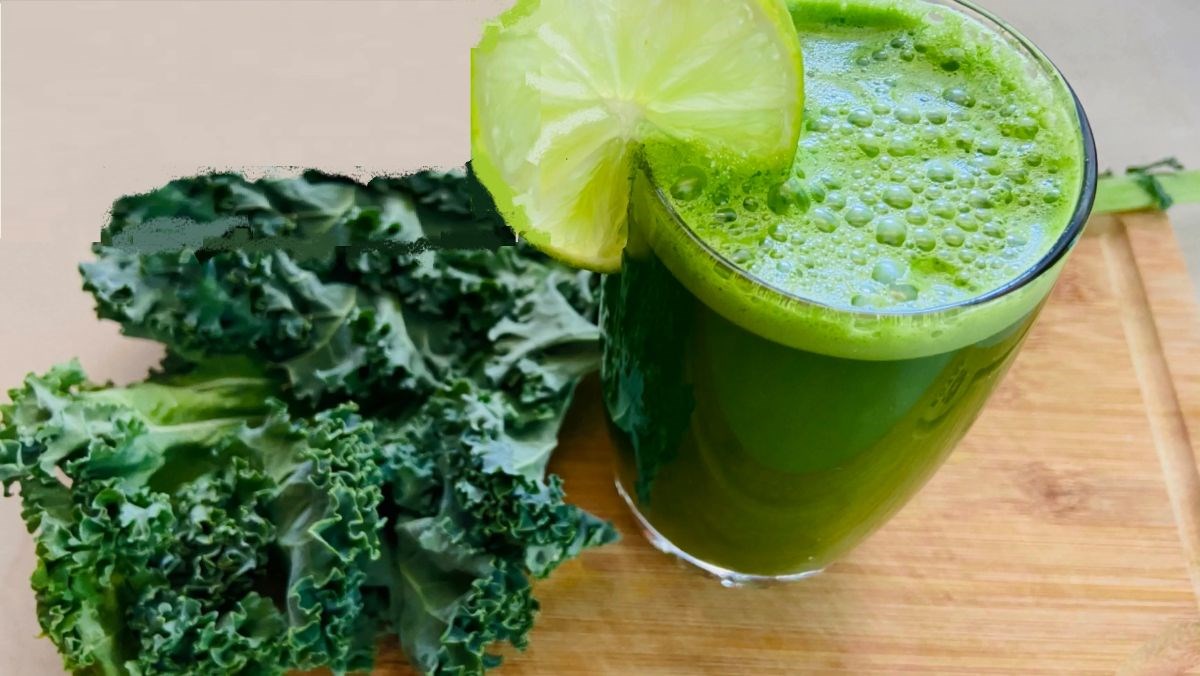
Lemon adds a vibrant citrus flavor while contributing vitamin C and natural antioxidants.
Its fresh acidity helps balance the sweetness of the apple and the earthiness of the greens.
Vitamin C also supports:
Immune function
Collagen production
Wound healing
Antioxidant protection
A squeeze of fresh lemon can brighten the entire drink without adding many calories.
Together, these ingredients provide a variety of beneficial nutrients.
Including:
Vitamin A
Vitamin C
Vitamin K
Folate
These vitamins support immune function, skin health, vision, and bone health.
Such as:
Potassium
Calcium
Magnesium (small amounts)
These minerals contribute to normal muscle function, fluid balance, and healthy nerve signaling.
Plant compounds found throughout the ingredients help protect cells from oxidative stress.
A diet rich in fruits and vegetables has consistently been associated with better overall health.
Both options have benefits.
Juicing removes much of the fiber while producing a lighter beverage.
Some people prefer juice because it's easy to drink and refreshing.
Blending keeps the fiber from the fruits and vegetables.
Fiber supports:
Digestive health
Healthy blood sugar regulation
Fullness after meals
If possible, many nutrition experts recommend smoothies more often than juices because they retain the whole food.
2 cups kale
1 cucumber
2 celery stalks
1 green apple
1-inch piece of fresh ginger
Juice of ½ to 1 lemon
Water or ice, if blending
Wash all produce thoroughly.
Chop ingredients into smaller pieces.
Juice them using a juicer, or blend with water and strain if desired.
Serve immediately for the freshest flavor.
For a smoothie, simply blend everything together without straining.
There is no medically proven "best" time to drink green juice.
Many people enjoy it:
With breakfast
As a mid-morning snack
Before lunch
After a workout as part of a balanced recovery meal
Rather than focusing on timing, consistency matters more.
While this drink is nutritious, it's not a complete meal.
To make breakfast more balanced, pair it with protein and healthy fats such as:
Greek yogurt
Eggs
Oatmeal
Whole-grain toast with nut butter
Cottage cheese
This combination provides longer-lasting energy and helps keep you satisfied.
This green juice is generally safe for most healthy adults, but some people should take extra care.
Kale is high in vitamin K.
If you take medications such as warfarin, maintain a consistent intake of vitamin K-rich foods and discuss dietary changes with your healthcare provider.
Some ingredients contain potassium, and individuals with advanced kidney disease may require personalized dietary advice.
Lemon and ginger may trigger symptoms in some individuals.
Adjust ingredients according to your own tolerance.
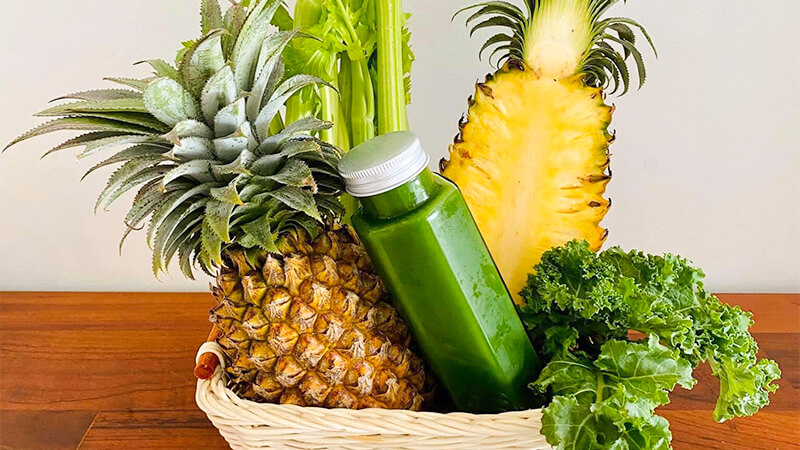
Starting the week with a homemade blend of kale, cucumber, celery, green apple, ginger, and lemon is a refreshing way to increase your intake of fruits and vegetables. This colorful combination provides vitamins, minerals, antioxidants, and hydration that can support overall health as part of a balanced diet.
While no single juice can detoxify the body or transform your health overnight, consistently choosing nutrient-rich foods is one of the best ways to nourish your body. Pair this refreshing drink with wholesome meals, regular physical activity, adequate sleep, and good hydration to create healthy habits that can benefit you throughout the week—and well beyond.
10 Possible Signs You're Not Drinking Enough Water

Orange Peels and Ginger: A Traditional Combination Worth Trying
Thinking About Eating More Celery? Here's What You Should Know

Your Body Could Be Sending These 7 Blood Sugar Warning Signals While You Sleep

Garlic and Ghee: Exploring the Potential Benefits of This Traditional Combination

Heel Pain That Won't Go Away? Here's What It Could Mean

Don't Ignore Ongoing Itching - It May Sometimes Be Related to Liver Health

Corn Silk Tea: A Traditional Herbal Drink with Potential Health Benefits

Choosing the Right Time to Shower: What You Should Know

10 Symptoms That Could Be Worth Checking Out

5 Changes on Your Nose That Doctors Say You Should Never Ignore

The Simple 2-Tablespoon Trick That May Help Your Digestive System

This Everyday Meat Could Be Affecting Your Health More Than You Realize 👇

A Simple 2-Ingredient Remedy That Some People Use to Help Loosen Mucus

If You've Noticed Tiny White Spots on Your Arms or Legs, Read This First 👇

Doctors Say These Early Thyroid Signs Are Often Overlooked

This Symptom Seemed Minor—Until a 25-Year-Old Was Diagnosed With Stage 3 Colon Cancer...

What You Do Every Day Matters More to Your Heart Than You Think...

A Simple Allergy? That's What He Believed Until the Medical Tests Came Back...
10 Possible Signs You're Not Drinking Enough Water
Orange Peels and Ginger: A Traditional Combination Worth Trying
Thinking About Eating More Celery? Here's What You Should Know

Protect Your Wooden Furniture: Simple Home Remedies and Prevention Tips
Your Body Could Be Sending These 7 Blood Sugar Warning Signals While You Sleep
Garlic and Ghee: Exploring the Potential Benefits of This Traditional Combination
Heel Pain That Won't Go Away? Here's What It Could Mean
Don't Ignore Ongoing Itching - It May Sometimes Be Related to Liver Health
Corn Silk Tea: A Traditional Herbal Drink with Potential Health Benefits
Choosing the Right Time to Shower: What You Should Know
10 Symptoms That Could Be Worth Checking Out
5 Changes on Your Nose That Doctors Say You Should Never Ignore
The Simple 2-Tablespoon Trick That May Help Your Digestive System
This Everyday Meat Could Be Affecting Your Health More Than You Realize 👇

A 10-Second Fridge Adjustment That May Help Save Energy
A Simple 2-Ingredient Remedy That Some People Use to Help Loosen Mucus
If You've Noticed Tiny White Spots on Your Arms or Legs, Read This First 👇
Doctors Say These Early Thyroid Signs Are Often Overlooked
This Symptom Seemed Minor—Until a 25-Year-Old Was Diagnosed With Stage 3 Colon Cancer...