Blood sugar levels naturally fluctuate throughout the day, influenced by meals, physical activity, medications, hormones, and sleep. While many people associate high blood sugar with symptoms that occur during the day, elevated glucose levels can also affect the body at night. In some cases, these nighttime changes may disturb sleep or leave you feeling tired the next morning.
It's important to remember that these symptoms are not specific to high blood sugar. Many other medical conditions can cause similar complaints. However, if they occur frequently - especially in people with risk factors for diabetes they should prompt a discussion with a healthcare professional.
Let's explore seven nighttime symptoms that may be associated with elevated blood sugar and learn when it's appropriate to seek medical evaluation.
What Is High Blood Sugar?
High blood sugar, also called hyperglycemia, occurs when there is too much glucose circulating in the bloodstream.
This may happen because:
-
The body does not produce enough insulin.
-
The body's cells become resistant to insulin.
-
Diabetes medications are insufficient.
-
Illness, stress, or certain medications temporarily raise blood sugar.
Occasional increases in blood sugar are common, but persistent hyperglycemia may require medical attention.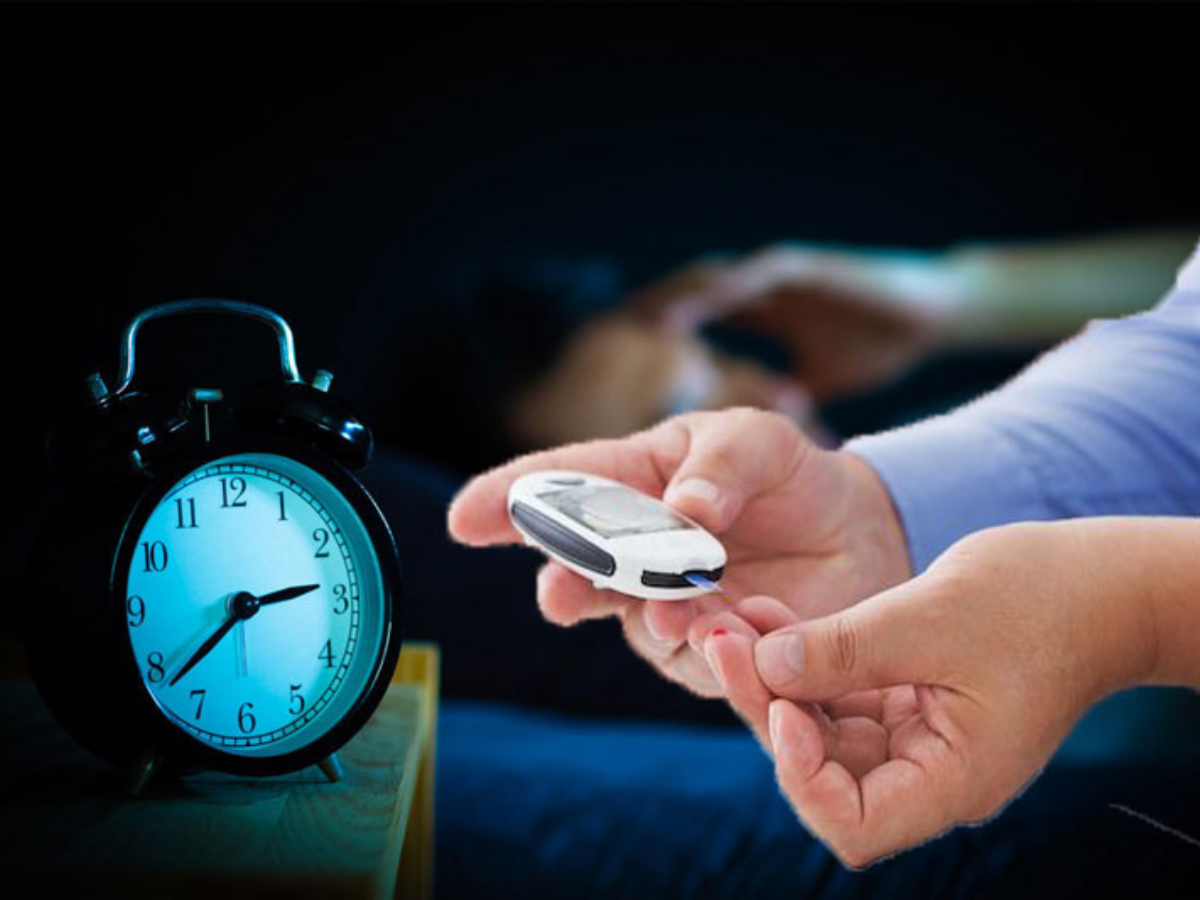
Why Can High Blood Sugar Cause Nighttime Symptoms?
When blood sugar remains elevated, the body works harder to remove excess glucose.
This may lead to:
-
Increased urination
-
Fluid loss
-
Dehydration
-
Sleep disruption
-
Fatigue
Poorly controlled blood sugar may also affect nerves, circulation, and overall sleep quality over time.
1. Waking Up Frequently to Urinate
One of the most common symptoms of elevated blood sugar is frequent urination, especially during the night.
When blood glucose rises above the kidneys' ability to reabsorb it, excess glucose enters the urine.
Water follows the glucose, leading to increased urine production.
You may notice:
-
Waking up multiple times during the night
-
Passing large amounts of urine
-
Difficulty returning to sleep
However, nighttime urination may also result from:
-
Drinking excessive fluids before bed
-
Urinary tract infections
-
Enlarged prostate (in men)
-
Certain medications
-
Sleep disorders
Persistent nighttime urination deserves medical evaluation.
2. Excessive Thirst During the Night
Frequent urination may lead to dehydration.
As a result, many people wake up feeling:
-
Extremely thirsty
-
Dry-mouthed
-
In need of water
Persistent thirst is one of the classic symptoms of high blood sugar.
If you regularly wake up needing large amounts of water, it's worth discussing with your healthcare provider.
3. Dry Mouth
Dry mouth often accompanies elevated blood sugar.
Possible reasons include:
-
Fluid loss from frequent urination
-
Dehydration
-
Reduced saliva production
Dry mouth may also increase the risk of:
-
Tooth decay
-
Gum disease
-
Bad breath
Other causes include certain medications, mouth breathing, and sleep apnea.
4. Restless Sleep or Frequent Awakenings
People with poorly controlled blood sugar sometimes report difficulty sleeping.
Possible reasons include:
-
Thirst
-
Frequent urination
-
General discomfort
-
Leg cramps
-
Nerve symptoms
Poor sleep may, in turn, make blood sugar management more difficult by affecting hormones involved in glucose regulation.
5. Night Sweats
Night sweats are more commonly associated with low blood sugar (hypoglycemia) in people using insulin or certain diabetes medications.
However, some individuals with fluctuating blood sugar levels may also report sweating during the night.
It's important to remember that night sweats have many possible causes, including:
-
Infections
-
Menopause
-
Certain medications
-
Hormonal disorders
Persistent or unexplained night sweats should be evaluated by a healthcare professional.
6. Tingling or Burning in the Feet
People with long-standing diabetes may develop diabetic peripheral neuropathy, a type of nerve damage.
Symptoms often become more noticeable at night and may include:
-
Tingling
-
Burning sensations
-
Numbness
-
Sharp or shooting pain
-
Increased sensitivity to touch
These symptoms do not develop overnight and are usually associated with prolonged periods of elevated blood sugar.
7. Morning Fatigue Despite a Full Night's Sleep
Some people wake up feeling exhausted even after sleeping for several hours.
Possible reasons include:
-
Repeated nighttime awakenings
-
Poor sleep quality
-
Fluctuating blood sugar
-
Untreated sleep apnea
-
Other medical conditions
Morning fatigue alone does not diagnose diabetes but may be one piece of the overall picture.
Other Common Symptoms of High Blood Sugar
High blood sugar may also cause symptoms during the day, including:
-
Increased hunger
-
Blurred vision
-
Unexplained weight loss
-
Slow-healing cuts or wounds
-
Frequent infections
-
Fatigue
-
Difficulty concentrating
These symptoms should not be ignored if they persist.
Who Is More Likely to Develop High Blood Sugar?
Several factors increase the risk of developing type 2 diabetes, including:
-
Being overweight or obese
-
A family history of diabetes
-
Physical inactivity
-
High blood pressure
-
High cholesterol
-
A history of gestational diabetes
-
Increasing age
Having risk factors does not mean you will definitely develop diabetes, but regular health checkups become especially important.
How Is High Blood Sugar Diagnosed?
Doctors do not diagnose diabetes based on symptoms alone.
Testing may include:
-
Fasting blood glucose
-
Hemoglobin A1c (HbA1c)
-
Oral glucose tolerance test
-
Random blood glucose (in certain situations)
These tests help determine whether blood sugar is within a healthy range.
Healthy Habits That Support Blood Sugar Control
Whether or not you have diabetes, healthy lifestyle habits can help support normal blood sugar regulation.
Eat a Balanced Diet
Choose meals rich in:
-
Vegetables
-
Whole grains
-
Lean proteins
-
Legumes
-
Healthy fats
-
High-fiber foods
Limit frequent consumption of sugar-sweetened beverages and highly processed foods.
Stay Physically Active
Regular exercise helps improve insulin sensitivity and supports overall metabolic health.
Aim for at least 150 minutes of moderate-intensity physical activity per week, unless advised otherwise by your healthcare provider.
Maintain a Healthy Weight
Even modest weight loss may improve blood sugar control in people who are overweight.
Prioritize Quality Sleep
Most adults benefit from 7–9 hours of sleep each night.
Poor sleep can affect hormones involved in appetite and glucose metabolism.
Attend Regular Medical Checkups
Routine screening allows blood sugar problems to be identified early—even before symptoms develop.
Common Myths About High Blood Sugar
Myth 1: Symptoms Only Occur During the Day
False.
Some people notice symptoms primarily at night or upon waking.
Myth 2: Night Sweats Always Mean High Blood Sugar
False.
Night sweats have many possible causes and should not be used alone to diagnose diabetes.
Myth 3: If You Feel Fine, Your Blood Sugar Must Be Normal
False.
Many people with early type 2 diabetes have few or no noticeable symptoms.
Routine screening remains important, especially for those with risk factors.
When Should You See a Doctor?
Arrange a medical evaluation if you experience:
-
Frequent nighttime urination
-
Persistent excessive thirst
-
Ongoing dry mouth
-
Tingling or burning in the feet
-
Blurred vision
-
Unexplained weight loss
-
Slow-healing wounds
-
Persistent fatigue
These symptoms do not necessarily mean diabetes, but they deserve proper evaluation.
Final Thoughts
Nighttime symptoms such as frequent urination, excessive thirst, dry mouth, restless sleep, night sweats, tingling in the feet, and morning fatigue may sometimes be associated with elevated blood sugar. However, they are not specific to diabetes and can result from many other health conditions.
Rather than relying on symptoms alone, the best way to know whether your blood sugar is healthy is through appropriate medical testing. Early detection of blood sugar problems allows timely treatment and may help reduce the risk of long-term complications.
If you regularly experience these nighttime symptoms - particularly if you also have risk factors for diabetes consider speaking with your healthcare provider. Small lifestyle changes and early medical care can make a significant difference in protecting your long-term health.