
5 Mini Stroke Warning Signs Doctors Say Everyone Should Know
🧠 Could It Be a Mini Stroke? Here Are 5 Symptoms Worth Knowing 👀
Health 03/07/2026 00:25
Many illnesses begin with subtle symptoms that people often dismiss as fatigue, stress, or the effects of aging. While most everyday discomforts are harmless and resolve on their own, certain warning signs should never be ignored. Recognizing these symptoms early and seeking timely medical care can make a significant difference in diagnosis, treatment, and recovery. Here are six important signs that deserve prompt medical attention.
The first warning sign is sudden chest pain or pressure, especially if it spreads to the arm, neck, jaw, or back. This may be accompanied by shortness of breath, cold sweats, nausea, or dizziness. These symptoms can indicate a heart attack or another serious cardiovascular condition. Immediate emergency medical care is essential because early treatment greatly improves survival and reduces long-term heart damage.
Another symptom that requires urgent evaluation is sudden weakness or numbness affecting one side of the body. Difficulty speaking, confusion, loss of balance, or sudden vision changes may also occur. These are classic warning signs of a stroke. Doctors often emphasize that every minute matters because prompt treatment can reduce permanent brain injury and improve the chances of recovery.


Persistent high fever should also never be overlooked, particularly when it is accompanied by severe headache, stiff neck, breathing difficulties, confusion, or a widespread rash. Although fever is the body's natural response to infection, unusually high or prolonged fever may signal a serious bacterial or viral illness that requires medical evaluation.
Severe abdominal pain is another symptom that deserves attention. Pain that appears suddenly, becomes progressively worse, or is associated with vomiting, blood in the stool, black stools, or abdominal swelling could indicate appendicitis, gallbladder disease, intestinal obstruction, ulcers, or other potentially life-threatening conditions. Medical assessment is necessary to identify the cause and begin appropriate treatment.
Unexplained shortness of breath is another important warning sign. Difficulty breathing during rest, chest tightness, bluish lips, or rapid breathing may indicate asthma attacks, pneumonia, heart failure, pulmonary embolism, or other serious lung and heart conditions. Delaying medical care in these situations can increase the risk of complications.
Finally, unexplained weight loss, persistent fatigue, or unusual bleeding should never be ignored. Losing weight without trying, feeling exhausted for weeks despite adequate rest, or experiencing blood in the urine, stool, or persistent coughing may point to underlying medical conditions that range from hormone disorders and chronic infections to certain types of cancer. Although these symptoms do not automatically indicate a serious disease, they always deserve professional evaluation.


It is important to remember that these warning signs do not always mean a person has a life-threatening illness. Many symptoms can have multiple causes, some of which are relatively minor. However, only a qualified healthcare professional can determine the underlying reason through proper examination, medical history, laboratory testing, or imaging studies when necessary.
Preventive healthcare remains one of the best ways to protect long-term health. Regular checkups, maintaining a balanced diet, exercising consistently, getting adequate sleep, avoiding tobacco, limiting excessive alcohol consumption, and managing chronic conditions such as diabetes or high blood pressure all contribute to reducing the risk of serious illness. Paying attention to your body's signals and acting promptly when something feels unusual can often lead to earlier diagnosis and more effective treatment.
If you or someone close to you experiences any of these warning signs—particularly sudden chest pain, stroke symptoms, severe breathing difficulties, or rapidly worsening illness—seek emergency medical care immediately rather than waiting for symptoms to improve on their own. Quick action could save a life.
🧠 Could It Be a Mini Stroke? Here Are 5 Symptoms Worth Knowing 👀
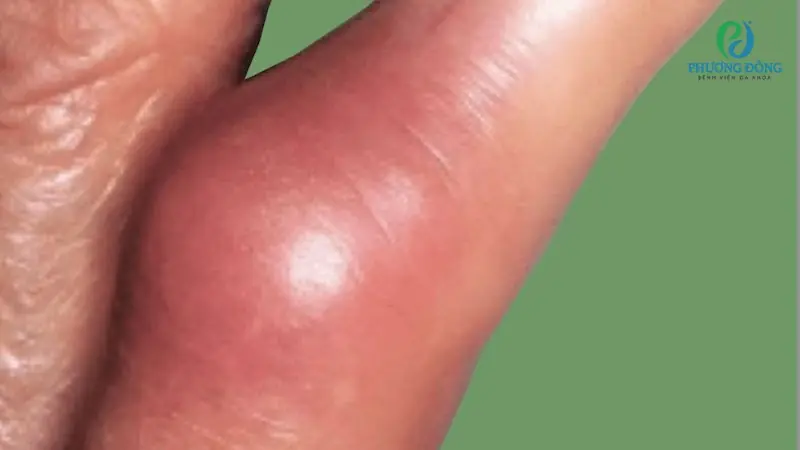
🦶 Noticing Puffy Feet? These Possible Causes Are Worth Knowing 👇

🥑 Your Daily Avocado Habit May Be Worth a Second Look 👀
🥚 Experts Reveal How Many Eggs Are Safe to Eat Regularly 👇

The Hidden Health Benefits of Eating Macadamia Nuts Regularly

Morning hydration offers benefits, but it is not a cure-all for every disease.

Better sleep posture can ease pain, improve breathing, and boost overall health.

🌈 Most People Think Rainbow Ham Has Gone Bad—The Truth Is More Interesting 👇

🍗 Chicken Gizzards Deserve More Credit—Here's Why Experts Say They're Worth Eating 👇

Simple dietary choices can help support normal liver function every day.
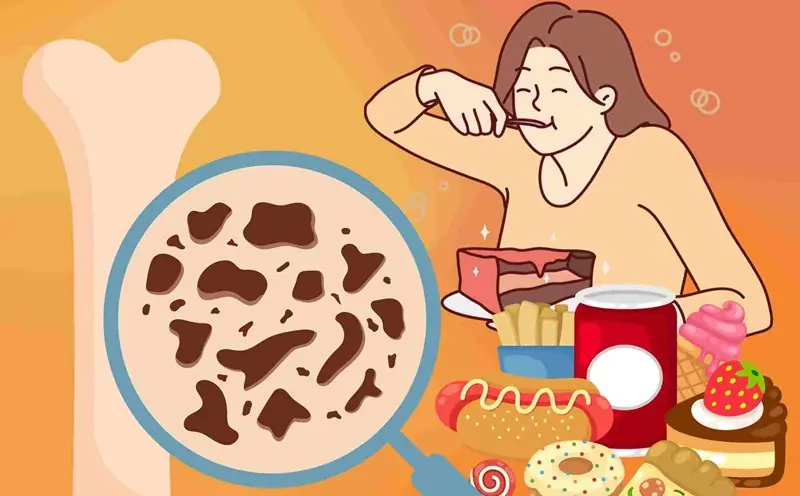
These Eating Habits May Affect Calcium Absorption and Bone Health

Boiled Lemon Peel Water: A Simple Drink With Potential Health Benefits
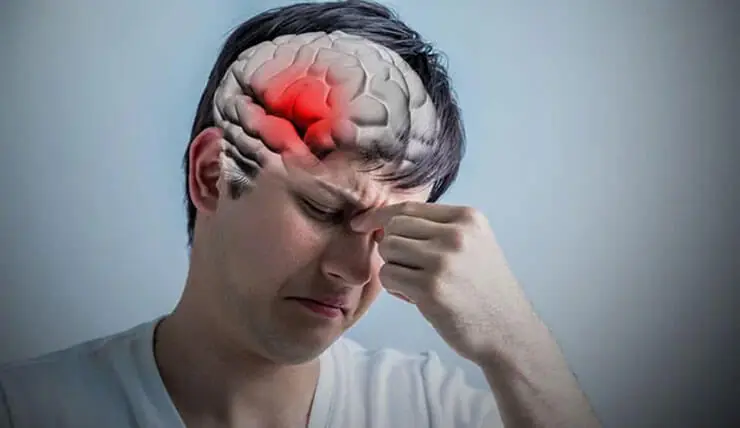
Could This Be an Early Warning Sign of a Stroke? What You Need to Know

😳 Millions of People Drink Water This Way Without Questioning It
💙 After 40, Your Nails May Reflect More Than Just Your Beauty Routine
🚑 Doctors Say These 5 Warning Signs May Appear Before a Heart Attack

🤔 What Happens to Your Body When You Sleep on Your Right Side?

Okra Could Be Helping Your Health—or Causing Problems If You're in These 3 Groups
🦶 Noticing Puffy Feet? These Possible Causes Are Worth Knowing 👇
🥑 Your Daily Avocado Habit May Be Worth a Second Look 👀
🥚 Experts Reveal How Many Eggs Are Safe to Eat Regularly 👇
The Hidden Health Benefits of Eating Macadamia Nuts Regularly

My girlfriend was washing her hair when this suddenly fell out of her head. It’s about 1 cm long. My girlfriend and I have been sitting here staring at it, trying to understand what it is. Does anyone know what this could be?
Morning hydration offers benefits, but it is not a cure-all for every disease.
Better sleep posture can ease pain, improve breathing, and boost overall health.
🌈 Most People Think Rainbow Ham Has Gone Bad—The Truth Is More Interesting 👇
🍗 Chicken Gizzards Deserve More Credit—Here's Why Experts Say They're Worth Eating 👇
Visible veins are common, but some changes may deserve medical attention.
Simple maintenance can often solve AC leaks and restore cooling performance.
Simple dietary choices can help support normal liver function every day.
These Eating Habits May Affect Calcium Absorption and Bone Health
Boiled Lemon Peel Water: A Simple Drink With Potential Health Benefits
Could This Be an Early Warning Sign of a Stroke? What You Need to Know
😳 Millions of People Drink Water This Way Without Questioning It
💙 After 40, Your Nails May Reflect More Than Just Your Beauty Routine
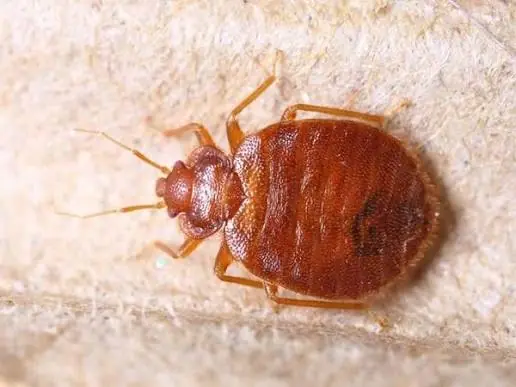
Bedbug Infestations: Causes, Signs, and Effective Control Methods
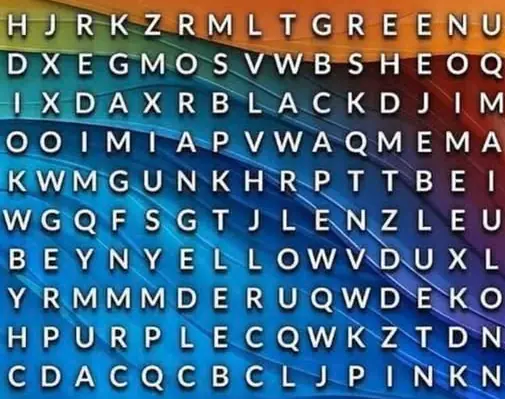
Your Eyes Go Here First—What Could It Mean?