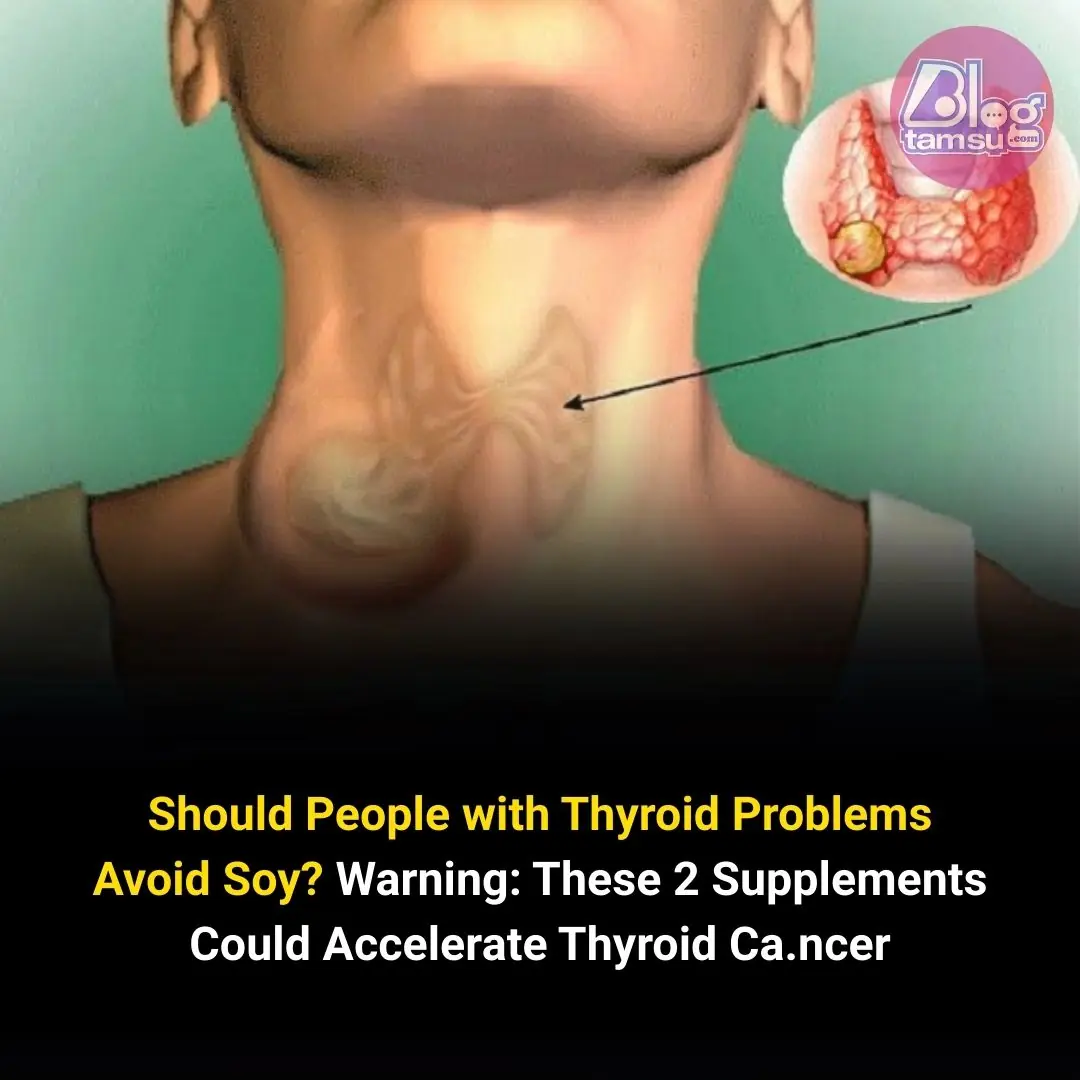
People with thyroid problems, particularly those with hypothyroidism or other thyroid conditions, often wonder whether they should avoid soy products. Soy contains isoflavones, which are a type of phytoestrogen (plant-based estrogen) that can interact with thyroid function. While soy itself may not cause thyroid issues, it's important to understand how it could potentially affect thyroid health, especially in those with existing thyroid problems.
Can People with Thyroid Problems Eat Soy?
The answer depends on the individual's specific thyroid condition and the amount of soy consumed. Here's what you need to know:
-
Soy and Hypothyroidism:
-
Soy may interfere with thyroid hormone production. Isoflavones found in soy have been shown to interfere with the absorption of levothyroxine, a common medication used to treat hypothyroidism. This can make it harder for people with hypothyroidism to get the full benefit of their medication.
-
Soy does not directly cause hypothyroidism, but in large amounts, it can affect thyroid function, especially if there is an iodine deficiency. Iodine is essential for thyroid hormone production, and soy can interfere with iodine uptake in the thyroid gland.

-
-
Soy and Hyperthyroidism:
-
For people with hyperthyroidism (overactive thyroid), soy may have a mild anti-thyroid effect, as it can reduce thyroid hormone levels. However, the effect is generally small, and moderate consumption of soy products is unlikely to cause significant issues. It's still essential to consult a healthcare provider for personalized advice.
-
Should People with Thyroid Problems Avoid Soy Completely?
Moderate consumption of soy is generally considered safe for most people with thyroid problems, but excessive amounts should be avoided, especially for those with hypothyroidism. It's important to:
-
Monitor soy intake: Eating moderate amounts of soy-based foods like tofu, tempeh, and edamame is typically fine for most people, but avoid excessive consumption.
-
Take thyroid medications properly: If you're on thyroid medication, take it at least 4 hours apart from consuming soy to prevent interference with absorption.
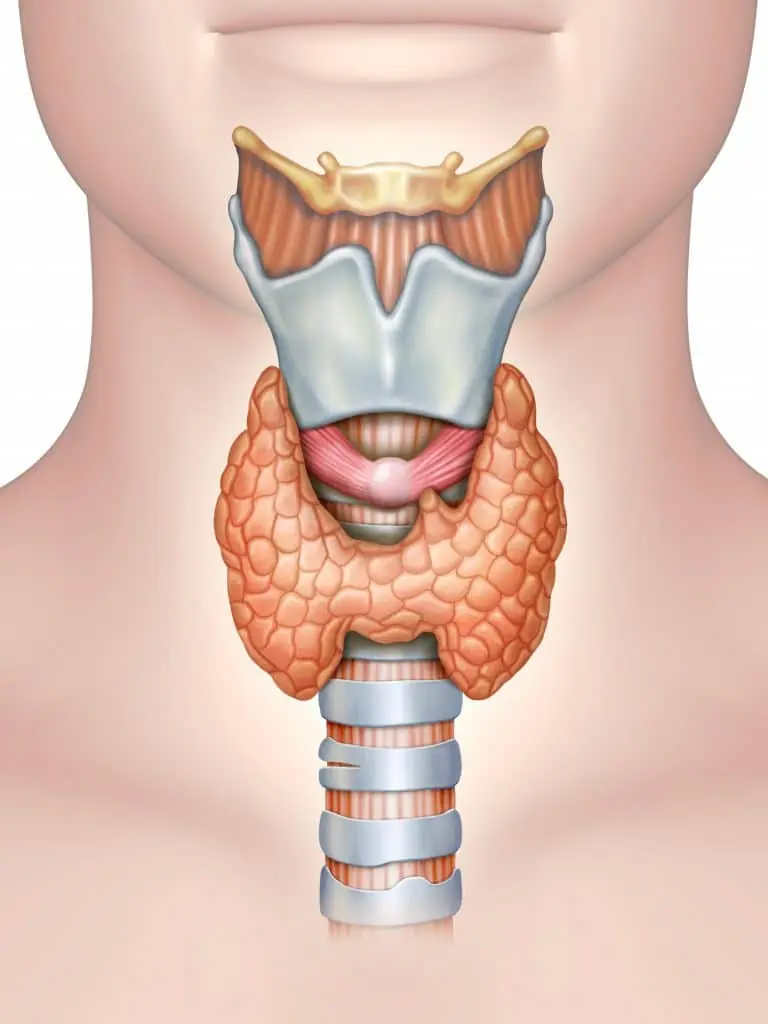
Supplements That Could Accelerate Thyroid Cancer
While soy itself is generally safe in moderation, certain supplements and substances could potentially impact thyroid health and even accelerate thyroid cancer. Here are two supplements to be cautious of:
-
Iodine Supplements:
-
Excessive iodine can overstimulate the thyroid gland and, in some cases, contribute to the development of thyroid cancer. While iodine is essential for thyroid hormone production, too much iodine can lead to thyroid dysfunction and even cancer in some individuals.
-
Recommendation: Avoid iodine supplements unless prescribed by a doctor, especially if you have a thyroid condition. Get iodine from natural sources like seafood, dairy, and iodized salt, but avoid over-supplementation.
-
-
Iron Supplements:
-
Some studies suggest that high levels of iron in the body can promote the growth of cancer cells, including those in the thyroid. In cases where iron levels are not deficient, it's best to avoid taking excess iron supplements, as they could contribute to thyroid issues and potentially accelerate the progression of thyroid cancer.
-
Recommendation: Only take iron supplements if prescribed by your doctor. If you have thyroid problems, it's essential to maintain a balanced diet and avoid excess iron.
-
Final Recommendations:
-
If you have thyroid problems, it's important to consult with a healthcare provider before making significant dietary or supplement changes.
-
Be cautious with soy consumption, particularly if you're on thyroid medication, and ensure you're not consuming large amounts of soy.
-
Avoid unnecessary supplements, especially iodine and iron, unless specifically recommended by your doctor.
-
Regular check-ups with a healthcare provider are essential to monitor thyroid function and make necessary adjustments to your diet and medication.
If you're concerned about how soy or specific supplements might be affecting your thyroid health, always consult with your healthcare provider for personalized advice.