
Doctors Warn About Three Popular Dishes That May Carry Hidden Food Safety Risks
Food safety experts urge caution when eating certain high-risk dishes.
Health 21/07/2026 00:04
Your throat plays an essential role in breathing, swallowing, and speaking. Every day, it is exposed to viruses, bacteria, allergens, dry air, and irritants that can lead to discomfort or infection. Fortunately, a few healthy habits can go a long way in protecting your throat and keeping it functioning well.
Here are 10 practical ways to maintain a healthy throat.
Drinking enough water helps keep your throat moist and prevents irritation.
Adequate hydration also helps:
Thin mucus.
Support the body's natural defenses.
Reduce throat dryness.
Aim to drink water regularly throughout the day, especially during hot weather or when exercising.
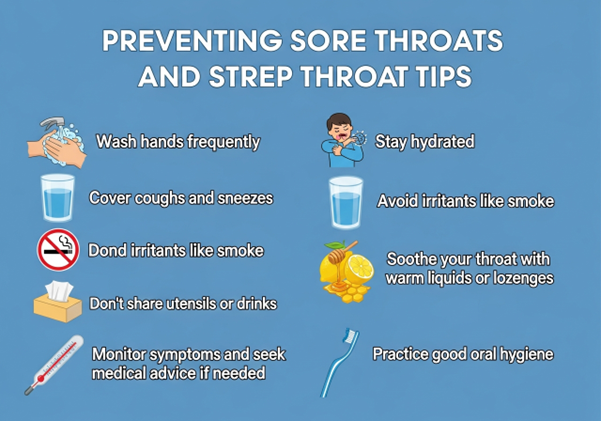
Many sore throats are caused by viral infections that spread through contaminated hands and surfaces.
Help reduce your risk by:
Washing your hands frequently with soap and water.
Using hand sanitizer when soap isn't available.
Avoiding touching your eyes, nose, and mouth with unwashed hands.
Tobacco smoke contains chemicals that irritate and damage the lining of the throat.
Smoking increases the risk of:
Chronic sore throat.
Hoarseness.
Respiratory infections.
Throat and oral cancers.
Avoiding both smoking and secondhand smoke can significantly improve throat health.
Gargling with warm salt water may help soothe a mildly irritated throat.
A simple mixture of ½ teaspoon of salt in a glass of warm water can help:
Reduce swelling.
Loosen mucus.
Wash away irritants.
This is a supportive home remedy and should not replace medical treatment if symptoms are severe.
A healthy immune system helps protect against infections that affect the throat.
Choose foods rich in:
Vitamin C.
Vitamin A.
Zinc.
Protein.
Antioxidants.
Include plenty of fruits, vegetables, whole grains, lean proteins, and healthy fats in your meals.
Overusing or straining your voice can irritate the throat and vocal cords.
To protect your voice:
Avoid shouting for long periods.
Take voice breaks if you speak or sing frequently.
Use a microphone when addressing large groups.
Resting your voice when it's tired may help prevent further irritation.
Stomach acid that flows back into the throat can cause irritation and chronic soreness.
To reduce acid reflux:
Avoid large meals before bedtime.
Limit spicy or fatty foods if they trigger symptoms.
Maintain a healthy weight.
Elevate the head of your bed if recommended by your healthcare provider.
Treating reflux can improve persistent throat discomfort.
Dry indoor air, especially during winter or in air-conditioned spaces, can dry out the throat.
Using a humidifier may help:
Maintain moisture in the air.
Reduce throat irritation.
Improve comfort while sleeping.
Be sure to clean the humidifier regularly to prevent mold or bacterial growth.
Lack of sleep and chronic stress can weaken the immune system, making you more susceptible to infections.
Aim for:
7–9 hours of quality sleep each night.
Regular physical activity.
Relaxation techniques such as meditation or deep breathing.
A healthy lifestyle supports both your throat and overall well-being.
Vaccinations can help protect against several infections that may affect the throat, including influenza and COVID-19.
Following recommended vaccination schedules may lower your risk of certain respiratory illnesses.
If your throat feels mildly irritated, these foods and drinks may provide comfort:
Warm herbal tea.
Honey (for adults and children over 1 year old).
Warm broth or soup.
Soft fruits like bananas.
Yogurt.
Oatmeal.
Avoid very hot foods or beverages, as they may further irritate the throat.
Seek medical attention if you experience:
A sore throat lasting more than one week.
Difficulty breathing or swallowing.
A high fever.
Swollen glands that do not improve.
White patches on the tonsils.
Persistent hoarseness lasting more than three weeks.
Blood in your saliva or mucus.
These symptoms may require evaluation for bacterial infections or other medical conditions.
Keeping your throat healthy starts with simple daily habits such as staying hydrated, practicing good hygiene, avoiding tobacco smoke, eating a balanced diet, protecting your voice, and getting enough rest. While most sore throats improve on their own, persistent, severe, or recurring symptoms should be evaluated by a healthcare professional to determine the underlying cause and appropriate treatment.
Food safety experts urge caution when eating certain high-risk dishes.

💧 Most People Ignore Morning Dry Mouth—Until They Learn These 8 Reasons 😨

8 Types of Pain That Could Signal an Underlying Health Condition

🧐 Is Urinating in the Shower Really as Safe as People Think?

Why Turmeric Is Popular: Exploring Its Potential Health Benefits

⚠️ Your Body May Be Sending a Message if Frequent Gas Comes With These Symptoms 👇

Many Heart Attacks Are Preceded by Warning Signs—Here Are 7 to Recognize ❤️

Why More Nutritionists Recommend Eating Walnuts Every Day 👇

8 Possible Warning Signs of Kidney Problems You Shouldn't Ignore










8 Ways Garlic May Support Your Health
Food safety experts urge caution when eating certain high-risk dishes.
💧 Most People Ignore Morning Dry Mouth—Until They Learn These 8 Reasons 😨
8 Types of Pain That Could Signal an Underlying Health Condition
🧐 Is Urinating in the Shower Really as Safe as People Think?
Why Turmeric Is Popular: Exploring Its Potential Health Benefits
⚠️ Your Body May Be Sending a Message if Frequent Gas Comes With These Symptoms 👇
Many Heart Attacks Are Preceded by Warning Signs—Here Are 7 to Recognize ❤️
Why More Nutritionists Recommend Eating Walnuts Every Day 👇


8 Possible Warning Signs of Kidney Problems You Shouldn't Ignore