Your Favorite Sleep Position Could Affect Your Health—Especially If It's the Left Side 👀
The Surprising Benefits of Sleeping on Your Left Side
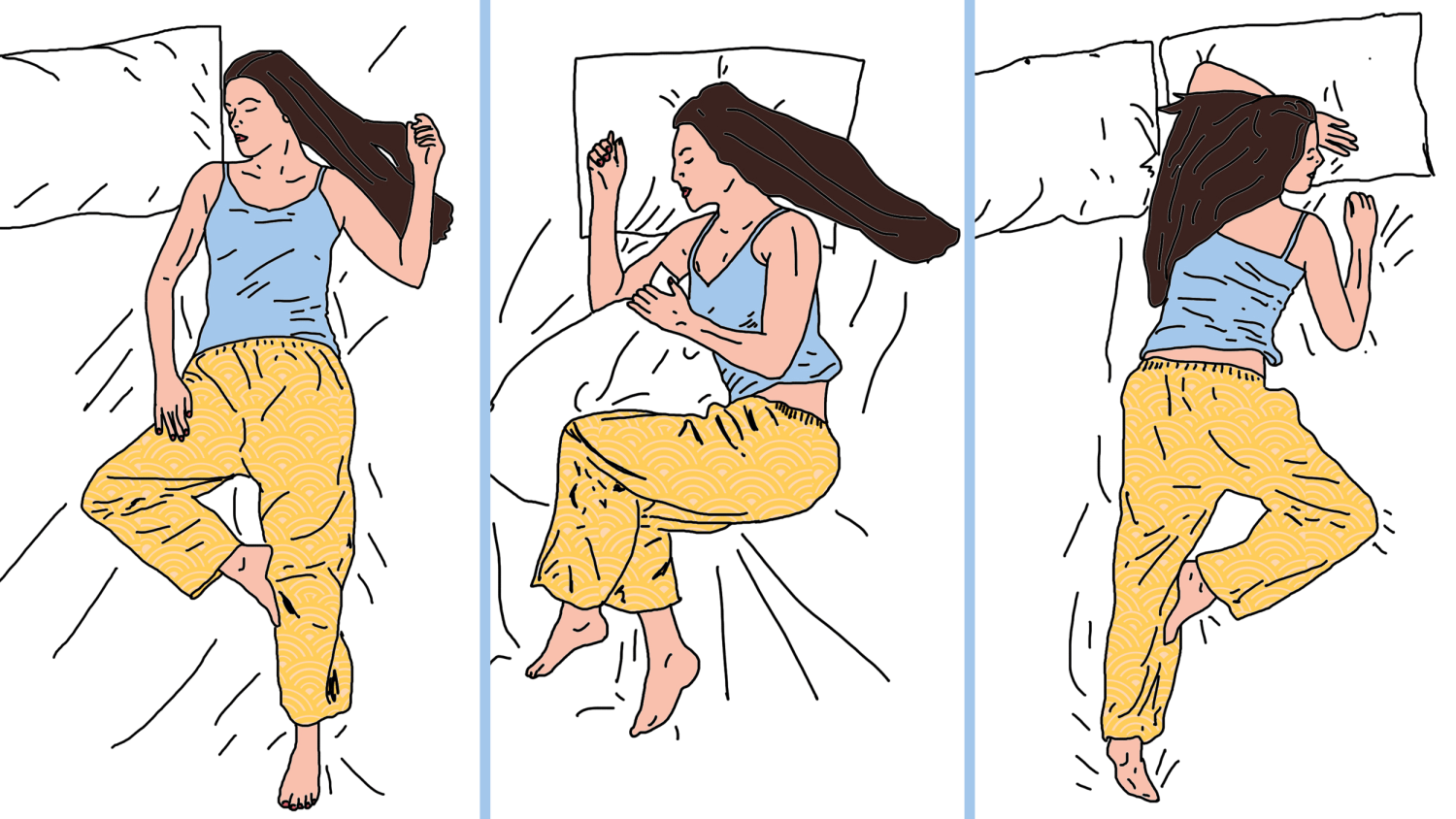
Most people don't give much thought to their sleeping position. Whether you sleep on your back, stomach, or side usually comes down to comfort and habit. However, research suggests that how you sleep may influence digestion, circulation, breathing, and even sleep quality.
Among all sleeping positions, sleeping on your left side has gained attention from sleep specialists and healthcare professionals because it works with the body's natural anatomy. While it isn't a miracle cure or the perfect position for everyone, it may offer several health benefits—especially for people with acid reflux, pregnancy, or certain circulation concerns.
1. It May Help Reduce Acid Reflux and Heartburn
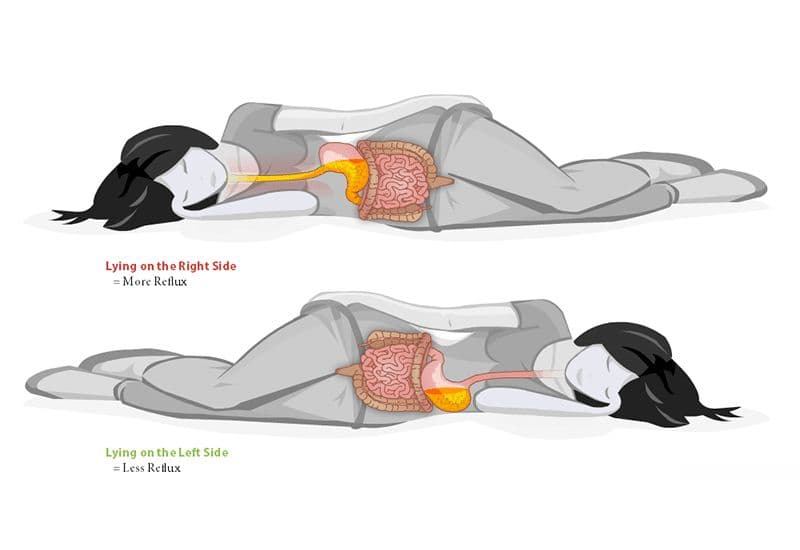
One of the most well-established benefits of left-side sleeping is its potential to reduce nighttime acid reflux.
Your stomach is positioned slightly to the left side of your body. When you lie on your left side, gravity helps keep stomach acid in the stomach, making it less likely to flow back into the esophagus.
Studies have found that people with gastroesophageal reflux disease (GERD) often experience fewer and shorter episodes of acid reflux when sleeping on their left side compared with sleeping on their right side or on their back.
2. It May Support Better Digestion
The digestive tract is designed to move food efficiently, but body position can influence how comfortably this process occurs.
Sleeping on your left side may help gravity support the movement of food and waste through parts of the digestive system, potentially leading to:
- Less bloating
- Reduced stomach discomfort
- Improved overnight digestion
- Greater comfort after large meals
While changing your sleep position won't treat digestive disorders, it may help reduce mild digestive discomfort for some people.
3. It May Improve Blood Circulation
Healthy circulation is essential because it delivers oxygen and nutrients throughout the body.
Some healthcare professionals suggest that sleeping on the left side may help promote smoother blood flow by reducing pressure on certain major blood vessels, particularly in specific situations such as pregnancy.
Better circulation may contribute to feeling more refreshed after a night's sleep, although individual experiences vary.
4. It Is Often Recommended During Pregnancy
Doctors commonly recommend left-side sleeping during the second and third trimesters of pregnancy.
As the uterus grows, sleeping on the left side may:
- Improve blood flow to the placenta
- Enhance oxygen and nutrient delivery to the baby
- Reduce pressure on major blood vessels
- Help decrease swelling in the legs and feet
Pregnant women should always follow the guidance of their healthcare provider regarding the safest sleeping position for their individual circumstances.
5. It May Help Reduce Snoring
If you snore primarily while sleeping on your back, switching to your side may help.
Side sleeping reduces the likelihood that the tongue and soft tissues at the back of the throat will collapse into the airway, which can improve airflow during sleep.
Although it may not eliminate snoring completely, many people notice an improvement. Individuals with suspected obstructive sleep apnea should seek medical evaluation rather than relying solely on changing sleep position.
6. It May Ease Back Pain for Some People
Many physical therapists recommend side sleeping for people with certain types of back discomfort.
When sleeping on your left side:
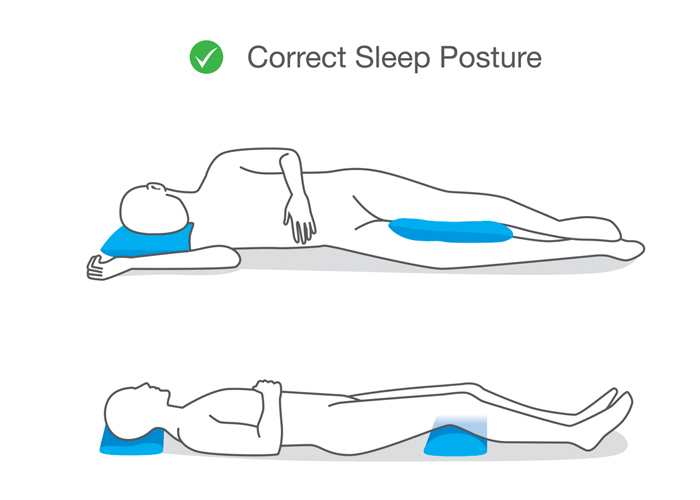
- Place a pillow between your knees.
- Keep your head supported so your neck stays aligned with your spine.
- Choose a mattress that adequately supports your shoulders and hips.
These adjustments may help reduce strain on the lower back and improve spinal alignment during sleep.
7. It May Support the Body's Natural Waste-Clearing Systems
Researchers continue to study how sleep position affects the body's lymphatic and glymphatic systems, which help remove waste products.
Some evidence suggests side sleeping may support these natural processes, although more human research is needed before firm conclusions can be drawn.
At present, this remains an area of active scientific investigation rather than an established medical recommendation.
Is Sleeping on the Left Side Right for Everyone?
Not necessarily.
Some people naturally sleep better on their right side or on their back. Others may have medical conditions that make a different sleeping position more appropriate.
For example, some individuals with shoulder pain may find prolonged left-side sleeping uncomfortable, while certain heart conditions may require personalized advice from a physician. Comfort and overall sleep quality remain the most important priorities.
Tips for Comfortable Left-Side Sleeping
If you'd like to try sleeping on your left side, these tips may help:
- Use a supportive pillow that keeps your head and neck aligned.
- Place a pillow between your knees to reduce pressure on your hips and lower back.
- Consider hugging a body pillow to prevent rolling onto your back.
- Avoid eating large meals two to three hours before bedtime.
- Choose a mattress that provides adequate support without creating excessive pressure on your shoulder.
The Bottom Line
Sleeping on your left side is a simple habit that may provide several potential health benefits. It may help reduce acid reflux, support digestion, improve circulation, reduce snoring, and provide added comfort during pregnancy.
However, no single sleeping position is ideal for everyone. The best sleep position is ultimately the one that allows you to sleep comfortably while maintaining good spinal alignment and getting enough high-quality rest. If you have persistent sleep problems, severe acid reflux, chronic pain, or symptoms of sleep apnea, consult a healthcare professional for personalized advice.
Sources
- Healthline. Why Sleeping on Your Left Side Is the Best Position for Digestion.
- The Busted News. Sleeping on Your Left Side May Do More for Your Body Than You Think.
- Verywell Health. Which Side Should You Sleep On?
Medical Disclaimer: This article is for informational purposes only and should not be considered medical advice. Always consult a qualified healthcare professional if you have ongoing sleep issues or concerns about your health.