
Banana Blossoms Are More Nutritious Than You Think - Here Are 8 Potential Benefits
Discover 8 Ways Banana Blossoms May Support Your Health
Your kidneys work around the clock to filter waste from your blood, remove excess fluid, balance electrolytes, regulate blood pressure, and support the production of red blood cells. Despite these vital roles, chronic kidney disease (CKD) often develops silently, with few or no symptoms in its early stages. Many people don't realize they have kidney disease until significant damage has already occurred.
The good news is that your body may provide subtle warning signs long before kidney disease becomes severe. While these symptoms can have many different causes, recognizing them early and seeking medical evaluation may help identify kidney problems before they progress.
Here are 10 warning signs you should never ignore.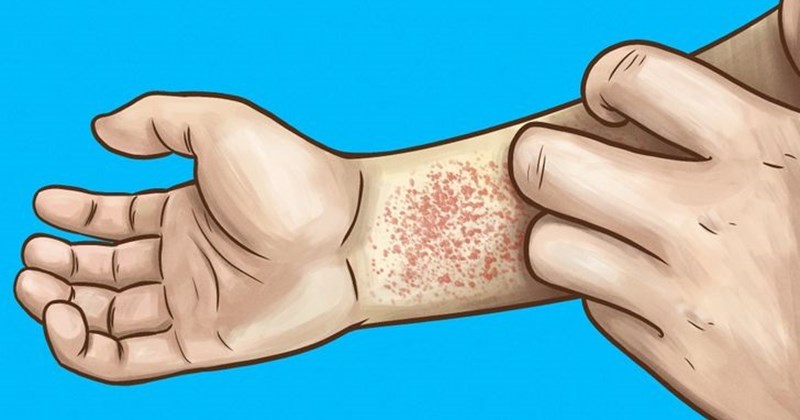
One of the earliest signs of kidney disease is a noticeable change in your urination habits.
You may experience:
Because your kidneys produce urine, persistent changes in its appearance or frequency should be discussed with a healthcare provider.
Healthy kidneys remove excess salt and fluid from the body.
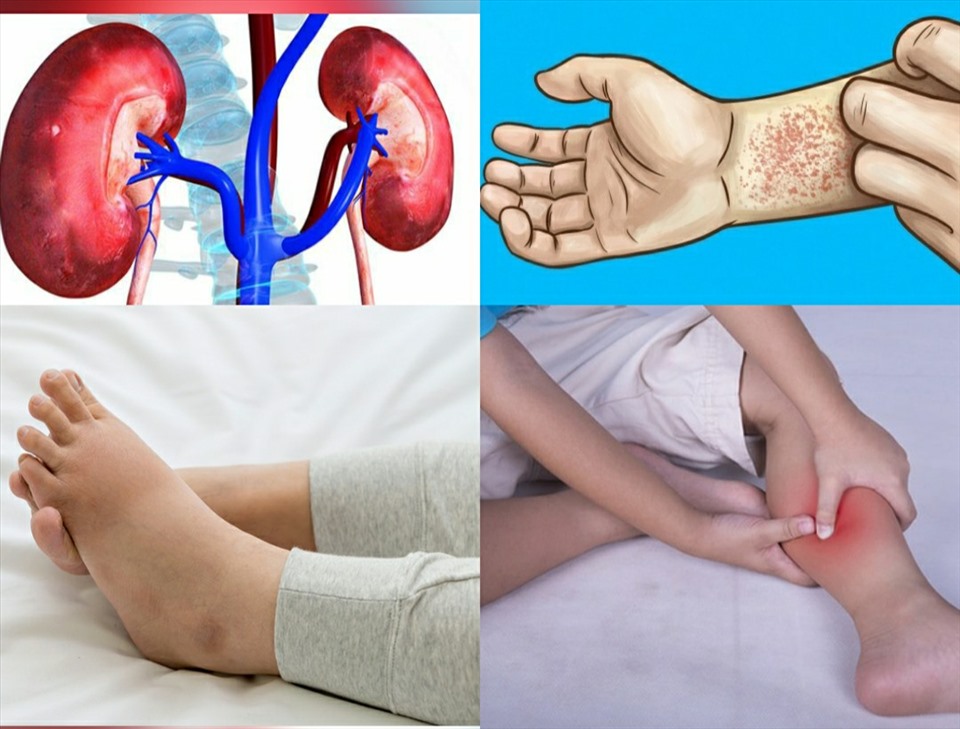
When they don't function properly, fluid can build up, leading to swelling (edema), particularly in:
You might notice tight shoes, sock marks, or puffiness around your eyes in the morning.
Feeling exhausted all the time isn't always caused by stress or poor sleep.
Damaged kidneys produce less erythropoietin (EPO), a hormone that stimulates red blood cell production. Lower red blood cell levels can lead to anemia, reducing oxygen delivery throughout the body.
Symptoms may include:
Urine that consistently appears foamy or bubbly may indicate proteinuria, or excess protein in the urine.
Healthy kidneys normally prevent protein from leaking into urine. Damaged kidney filters may allow protein to pass through, making the urine appear unusually foamy.
Occasional bubbles are usually harmless, but persistent foamy urine should be evaluated.
Blood in the urine (hematuria) is never considered normal.
It may appear:
Although blood in the urine can result from kidney stones, urinary tract infections, or other conditions, it may also be an early sign of kidney disease and warrants prompt medical evaluation.
As kidney function declines, waste products can accumulate in the bloodstream.
This buildup may cause:
Persistent appetite changes without another clear explanation should not be ignored.
Your kidneys help maintain the proper balance of minerals and nutrients in your body.
When they aren't working efficiently, mineral imbalances and waste buildup may contribute to:
While dry skin is common and often harmless, ongoing itching without an obvious cause can sometimes be associated with advanced kidney disease.
Frequent muscle cramps—especially in the legs—may occur when kidney disease disrupts the balance of electrolytes such as calcium, potassium, and phosphorus.
Although muscle cramps have many possible causes, recurring cramps may deserve further evaluation if accompanied by other kidney-related symptoms.
Many people with chronic kidney disease report sleep problems.
Possible reasons include:
Poor sleep can further contribute to daytime fatigue and reduced quality of life.
Persistent puffiness around the eyes—particularly in the morning—may indicate protein leakage caused by damaged kidney filters.
While allergies and lack of sleep are common causes, ongoing puffiness together with foamy urine or swelling elsewhere in the body may suggest kidney dysfunction.
Anyone can develop kidney disease, but the risk is higher if you have:
People with these risk factors should discuss routine kidney screening with their healthcare provider.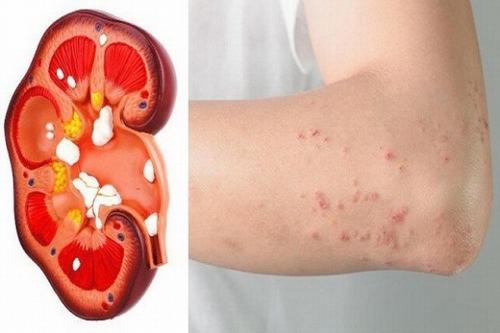
Healthy habits can reduce the risk of chronic kidney disease and slow its progression:
Schedule a medical evaluation if you notice:
Early detection is important because kidney disease can often be slowed with appropriate treatment and lifestyle changes.
Kidney disease often develops quietly, but your body may send subtle warning signs long before the condition becomes advanced. Changes in urination, swelling, persistent fatigue, foamy urine, blood in the urine, dry itchy skin, muscle cramps, poor sleep, appetite changes, and puffy eyes are all symptoms that deserve attention—especially if they persist.
These signs do not necessarily mean you have kidney disease, but they are good reasons to talk with a healthcare professional. Early diagnosis through simple blood and urine tests can make a significant difference in preserving kidney function and preventing complications.
Medical Disclaimer: This article is for educational purposes only and is not a substitute for professional medical advice, diagnosis, or treatment. If you experience persistent symptoms or have risk factors such as diabetes or high blood pressure, consult a qualified healthcare professional for evaluation.
Discover 8 Ways Banana Blossoms May Support Your Health

There are many foods that could fill you up quickly, but you wouldn’t find them on your dinner plate every night. So, what is the food that’s both deadly and widely consumed around the globe?

🍽️ Millions Love This Food—But There's One Thing Most People Never Hear About. 👇
Did You Know That Waking Up at 3 or 4 in the Morning Is a Clear Sign of Something Your Body Is Trying to Tell You?

5 Signs Your Kidneys May Be Weak — And Why You Should See a Doctor Immediately

Not a Miracle Food—But an Important Piece of a Healthy Lifestyle
The Earlier You Notice These Signs, the Better Your Chances of Taking Action.

Many people wonder about the meaning of the intriguing gesture of scratching the palm of another person’s hand, especially when it occurs between a man and a woman.

What Does Breast Size Really Mean? Understanding the Facts
Cer.vical can.cer remains one of the leading cancers affecting women worldwide, but it is also one of the most preventable forms of can.cer, thanks to early detection through regular screening (Pap smears) and the availability of the HPV vaccine.
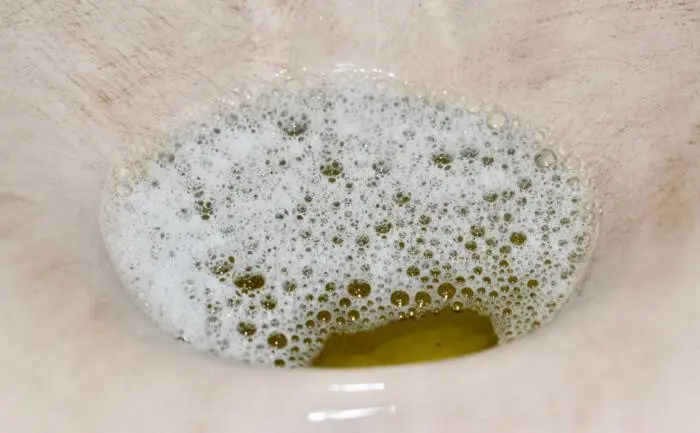
Your Urine Looks Foamy? Here Are the Hidden Causes You Should Know
10 Morning Symptoms That Should Not Be Ignored: Hidden Signs of Diabetes

Buying Garlic? Make Sure It Doesn't Have These 4 Red Flags
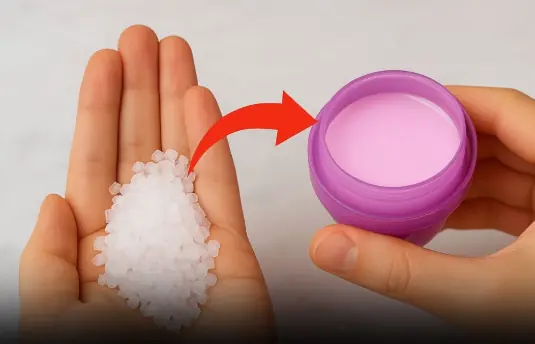


For many people, cramps happen now and then, go away with gentle stretching, and don’t return for weeks. But in some cases, these nighttime jolts are more than just an annoyance.

Black beans and chicken feet are two very beneficial foods for health. Below is the effect of chicken feet stew with black beans.
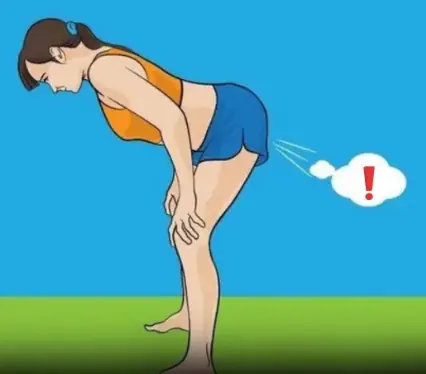
Passing gas is a normal part of digestion. In fact, healthy people release gas between 14 and 23 times a day on average, according to the American College of Gastroenterology. But what happens when you’re clocking in over 25 farts a day—every day?
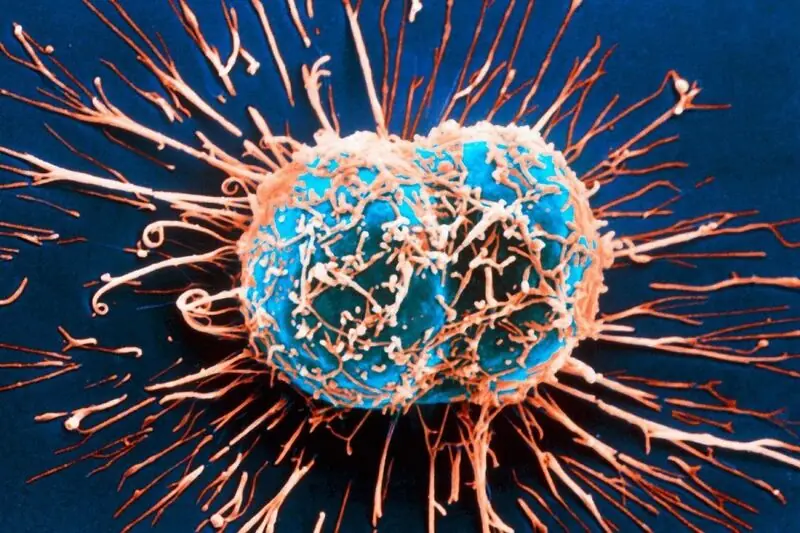
Doctors Warn: Don't Ignore These 3 Morning Symptoms
Discover 8 Ways Banana Blossoms May Support Your Health

7 Natural Tips to Fight Tooth Decay and Maintain a Healthy, Radiant Smile
There are many foods that could fill you up quickly, but you wouldn’t find them on your dinner plate every night. So, what is the food that’s both deadly and widely consumed around the globe?
🍽️ Millions Love This Food—But There's One Thing Most People Never Hear About. 👇

Apple Cider Vinegar: 12 Popular Uses Backed by Tradition and Research
Did You Know That Waking Up at 3 or 4 in the Morning Is a Clear Sign of Something Your Body Is Trying to Tell You?
5 Signs Your Kidneys May Be Weak — And Why You Should See a Doctor Immediately
Not a Miracle Food—But an Important Piece of a Healthy Lifestyle
The Earlier You Notice These Signs, the Better Your Chances of Taking Action.

6 Surprising Things Your Phone's Volume Buttons Can Actually Do
Many people wonder about the meaning of the intriguing gesture of scratching the palm of another person’s hand, especially when it occurs between a man and a woman.

Why You Should Cut a Lemon into 4, Add Salt, and Leave It in Your Room Overnight
What Does Breast Size Really Mean? Understanding the Facts
Cer.vical can.cer remains one of the leading cancers affecting women worldwide, but it is also one of the most preventable forms of can.cer, thanks to early detection through regular screening (Pap smears) and the availability of the HPV vaccine.
Your Urine Looks Foamy? Here Are the Hidden Causes You Should Know
10 Morning Symptoms That Should Not Be Ignored: Hidden Signs of Diabetes
Buying Garlic? Make Sure It Doesn't Have These 4 Red Flags
For many people, cramps happen now and then, go away with gentle stretching, and don’t return for weeks. But in some cases, these nighttime jolts are more than just an annoyance.