10 Warning Signs of Blocked Arteries You Should Never Ignore
Your arteries play a vital role in keeping your body healthy. They carry oxygen-rich blood from your heart to your organs, muscles, and tissues. However, when fatty deposits known as plaque build up inside the arteries—a condition called atherosclerosis—blood flow can become restricted. Over time, this increases the risk of serious health problems such as heart attack, stroke, and peripheral artery disease (PAD).
Blocked arteries often develop slowly over many years and may not cause noticeable symptoms until blood flow becomes significantly reduced. Recognizing potential warning signs early and seeking medical attention can help reduce the risk of life-threatening complications.
Here are 10 possible signs that may indicate narrowed or blocked arteries.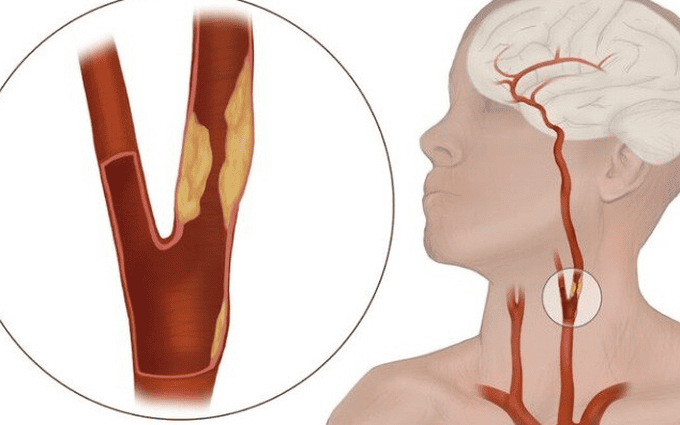
1. Chest Pain (Angina)
One of the most common symptoms of blocked coronary arteries is angina, a type of chest discomfort that occurs when the heart muscle doesn't receive enough oxygen-rich blood.
People often describe angina as:
- Pressure
- Tightness
- Heaviness
- Burning
- Squeezing pain
The discomfort may spread to the shoulders, arms, neck, jaw, or back and often occurs during physical activity or emotional stress.
If chest pain is severe, sudden, or lasts more than a few minutes, seek emergency medical care immediately.
2. Shortness of Breath
When narrowed arteries reduce blood flow to the heart, the heart may struggle to pump efficiently.
This can cause:
- Difficulty breathing during exercise
- Becoming winded with mild activity
- Shortness of breath while lying flat
- Fatigue during everyday tasks
Shortness of breath may sometimes occur without chest pain, particularly in older adults and women.
3. Pain in the Legs While Walking
Pain, cramping, or fatigue in the calves, thighs, or hips during walking may be a sign of peripheral artery disease (PAD).
This condition occurs when plaque narrows the arteries supplying blood to the legs.
Symptoms often improve after a few minutes of rest but return when walking resumes.
4. Cold Feet or Legs
Reduced circulation can make one foot or leg feel noticeably colder than the other.
You may also notice:
- Pale skin
- Shiny skin
- Slow-growing toenails
- Reduced hair growth on the legs
These symptoms may indicate poor blood flow.
5. Numbness or Weakness
Blocked arteries supplying the brain can increase the risk of stroke.
Possible warning signs include:
- Sudden weakness on one side of the body
- Numbness in the face, arm, or leg
- Difficulty walking
- Loss of coordination
These symptoms require immediate emergency medical attention.
6. Dizziness or Loss of Balance
Reduced blood flow to the brain may cause:
- Dizziness
- Lightheadedness
- Loss of balance
- Fainting
Although these symptoms can have many causes, they should not be ignored, especially if they occur suddenly or with other neurological symptoms.
7. Jaw, Neck, Shoulder, or Arm Pain
Heart-related pain doesn't always stay in the chest.
Some people experience discomfort in:
- The left or right arm
- Shoulders
- Neck
- Jaw
- Upper back
Women are especially likely to experience these less typical symptoms during a heart attack.
8. Unusual Fatigue
Persistent or unexplained fatigue may be an early warning sign of heart disease.
Some people notice:
- Feeling exhausted after minimal activity
- Reduced exercise tolerance
- Difficulty completing routine tasks
- Needing more rest than usual
While fatigue has many possible causes, persistent symptoms deserve medical evaluation.
9. Erectile Dysfunction
In men, erectile dysfunction may sometimes be an early indicator of atherosclerosis.
Because the arteries in the penis are smaller than the coronary arteries, reduced blood flow may appear there before symptoms develop in the heart.
This does not mean every case of erectile dysfunction is caused by blocked arteries, but cardiovascular disease is one possible underlying cause.
10. Stroke-Like Symptoms
Blocked carotid arteries can reduce blood flow to the brain and increase the risk of stroke.
Warning signs include:
- Sudden confusion
- Trouble speaking
- Difficulty understanding speech
- Sudden vision loss
- Severe headache
- Facial drooping
- Weakness on one side of the body
Remember the acronym FAST:
- Face drooping
- Arm weakness
- Speech difficulty
- Time to call emergency services
Immediate treatment can save brain tissue and lives.
Risk Factors for Blocked Arteries
Several factors increase the risk of developing atherosclerosis, including:
- High LDL cholesterol
- High blood pressure
- Diabetes
- Smoking
- Obesity
- Physical inactivity
- Family history of heart disease
- Chronic kidney disease
- Older age
- Diet high in saturated and trans fats
Many of these risk factors can be improved through lifestyle changes and appropriate medical treatment.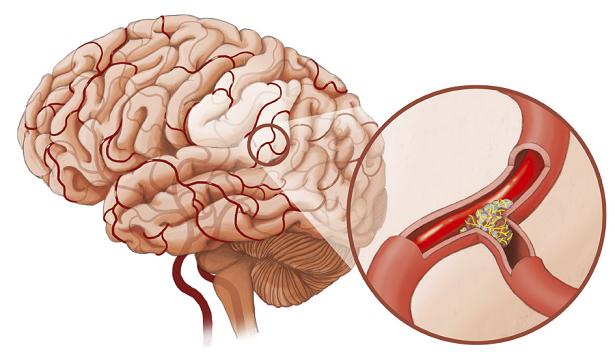
How to Help Protect Your Arteries
Healthy habits can significantly lower your risk of cardiovascular disease.
Experts recommend:
- Eating plenty of fruits and vegetables
- Choosing whole grains
- Eating fish rich in omega-3 fatty acids
- Limiting processed foods
- Exercising at least 150 minutes per week
- Maintaining a healthy weight
- Avoiding tobacco
- Limiting alcohol
- Managing stress
- Getting enough sleep
- Keeping blood pressure, cholesterol, and blood sugar under control
Regular medical checkups are also important, especially if you have risk factors for heart disease.
When to Seek Emergency Care
Call emergency services immediately if you experience:
- Chest pain lasting more than a few minutes
- Chest pain accompanied by sweating, nausea, or shortness of breath
- Sudden weakness or numbness on one side
- Difficulty speaking
- Sudden vision loss
- Loss of consciousness
Prompt treatment greatly improves the chances of recovery during a heart attack or stroke.
The Bottom Line
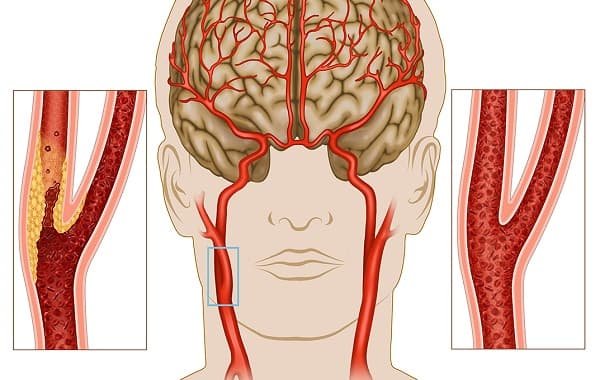
Blocked arteries often develop silently, but they can sometimes cause warning signs before a serious event occurs. Chest pain, shortness of breath, leg pain during walking, unusual fatigue, and stroke-like symptoms should never be ignored.
Although these symptoms can have many possible causes, early evaluation by a healthcare professional can help identify cardiovascular disease and allow treatment before complications occur. A heart-healthy lifestyle, regular exercise, and routine medical care remain some of the best ways to protect your arteries and overall health.
Sources
- American Heart Association (AHA). Atherosclerosis and Coronary Artery Disease. https://www.heart.org/
- National Heart, Lung, and Blood Institute (NHLBI). Atherosclerosis. https://www.nhlbi.nih.gov/
- Centers for Disease Control and Prevention (CDC). Heart Disease Facts. https://www.cdc.gov/heart-disease/
- Mayo Clinic. Coronary Artery Disease: Symptoms and Causes. https://www.mayoclinic.org/
- National Institute on Aging (NIA). Heart Health and Aging. https://www.nia.nih.gov/
Medical Disclaimer: This article is for educational purposes only and is not intended to replace professional medical advice, diagnosis, or treatment. If you experience symptoms suggestive of a heart attack or stroke, seek emergency medical care immediately.