Small white bumps on the skin - especially on the face are a common concern for many people. These tiny spots may appear on the cheeks, around the eyes, on the forehead, or even on the chin. While they are often harmless, many individuals attempt to remove them at home by squeezing, scratching, or using various skincare treatments.
However, dermatologists warn that not all white bumps should be treated without professional guidance. In some cases, trying to remove them yourself can irritate the skin, cause infections, or lead to scarring.
Understanding what these bumps might be and recognizing when professional care is needed can help protect the health and appearance of your skin.
What Are Small White Bumps on the Skin?
Small white bumps can appear for several different reasons. Some are related to clogged pores, while others are caused by small cysts or skin conditions.
Common types of white bumps include:
-
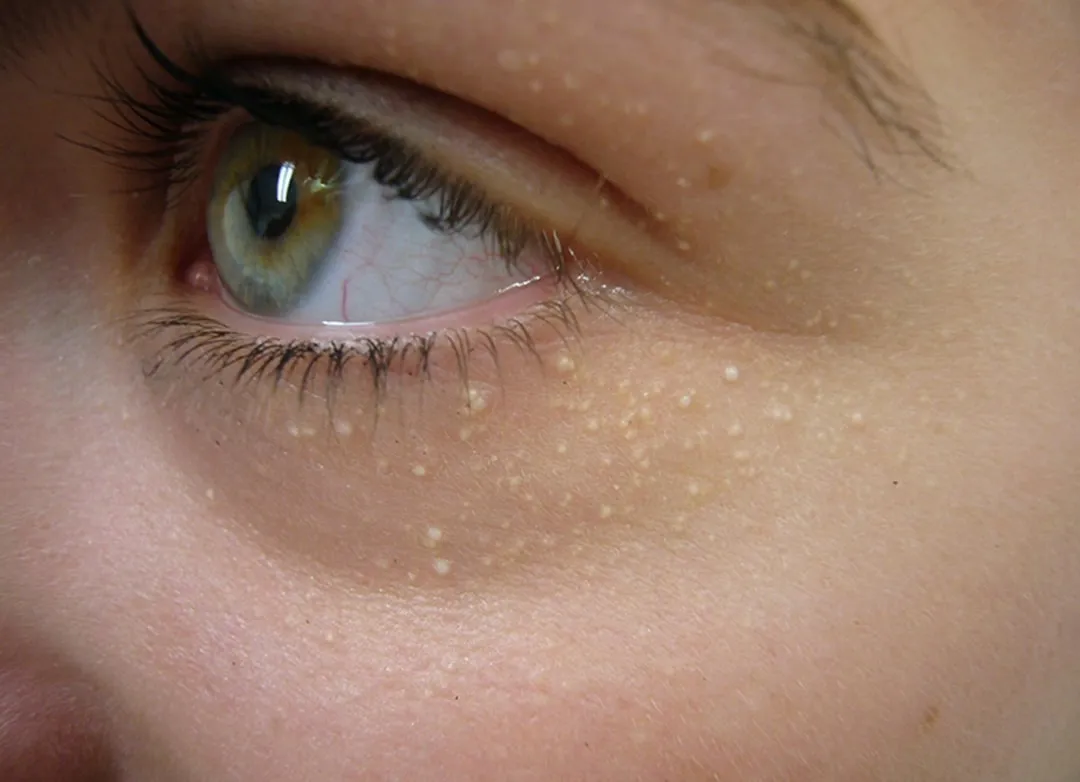
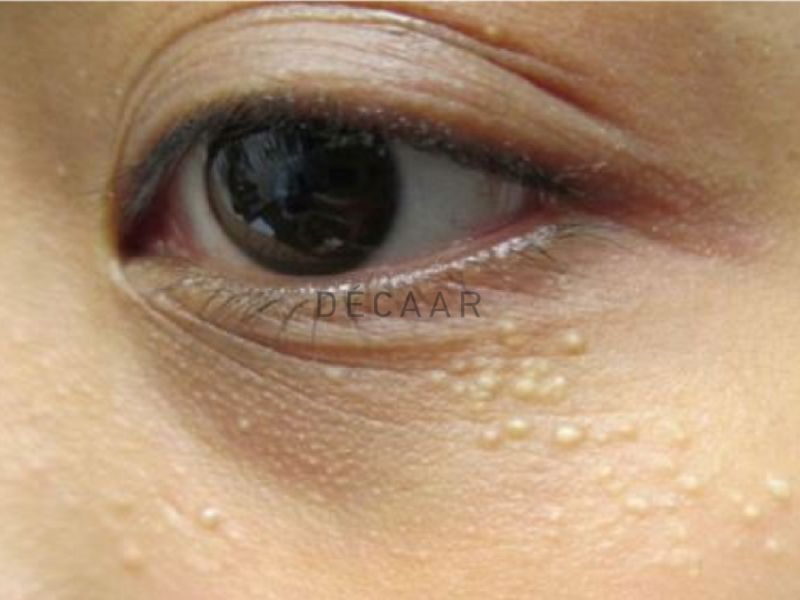
Milia – tiny cysts filled with keratin that often appear around the eyes and cheeks
-
Closed comedones (whiteheads) – clogged pores caused by oil and dead skin cells
-
Sebaceous hyperplasia – enlarged oil glands that create small bumps on the skin
-
Skin irritation or allergic reactions
Although many of these conditions are harmless, the correct treatment varies depending on the underlying cause.
Why You Should Be Careful with DIY Treatments
Many people attempt to remove white bumps by squeezing them like pimples. However, this approach can be problematic.
Unlike acne, some bumps—such as milia—do not contain pus and cannot be easily extracted by simple pressure. Trying to force them out may lead to:
-
Skin irritation
-
Redness and inflammation
-
Infection
-
Permanent scarring
Additionally, using strong chemical products or harsh scrubs without proper guidance may damage sensitive facial skin.
Signs You Should Not Treat White Bumps Yourself
Certain situations suggest that professional advice may be the safest option.
1. The Bumps Do Not Disappear Over Time
Many minor skin issues improve on their own within a few weeks. However, if small white bumps persist for several months without improvement, they may require medical evaluation.
Persistent bumps may indicate conditions such as milia or sebaceous hyperplasia, which often require specific treatments performed by trained professionals.
2. The Bumps Appear Around the Eyes
The skin around the eyes is extremely thin and delicate. Attempting to remove bumps in this area can easily cause damage.
Milia frequently develop around the eyelids or under the eyes. Dermatologists often use sterile tools and specialized techniques to safely remove them.
Trying to treat these bumps at home may increase the risk of irritation or injury.
3. The Bumps Are Painful or Inflamed
White bumps that become red, swollen, or painful may indicate infection or inflammation.
Symptoms to watch for include:
-
Redness around the bump
-
Tenderness or pain
-
Warm skin
-
Pus or discharge
These signs suggest that the skin may need medical attention rather than home treatment.
4. The Bumps Are Spreading or Increasing in Number
If small white bumps begin appearing in larger numbers or spreading across the face or body, it may signal an underlying skin condition.
Possible causes could include:
-
Skin irritation
-
Allergic reactions
-
Certain dermatological conditions
A dermatologist can help determine the cause and recommend appropriate treatment.
5. You Are Unsure What the Bumps Are
One of the most important reasons to avoid self-treatment is uncertainty about the diagnosis.
Many skin conditions can appear similar to one another. For example, milia, whiteheads, and small cysts may look alike but require different treatments.
Attempting to treat a skin condition incorrectly may make the problem worse.
How Dermatologists Treat White Bumps
If treatment is necessary, dermatologists may recommend several safe options depending on the diagnosis.
Possible treatments include:
-
Professional extraction using sterile tools
-
Prescription creams that encourage skin cell turnover
-
Gentle chemical exfoliation
-
Laser or specialized dermatological procedures in some cases
These treatments are designed to remove the bumps while minimizing damage to the surrounding skin.
Preventing Small White Bumps
Although not all white bumps can be prevented, certain skincare habits may help reduce the likelihood of developing them.
Helpful practices include:
Gentle Cleansing
Regularly washing the face with a mild cleanser helps remove oil and debris.
Avoiding Heavy Skincare Products
Thick creams or oily products may clog pores for some individuals.
Regular Exfoliation
Gentle exfoliation can help remove dead skin cells that contribute to clogged pores.
Using Sunscreen
Sun protection supports overall skin health and helps prevent damage that may affect skin texture.
When to See a Dermatologist
Consulting a dermatologist is recommended if:
-
The bumps persist for a long time
-
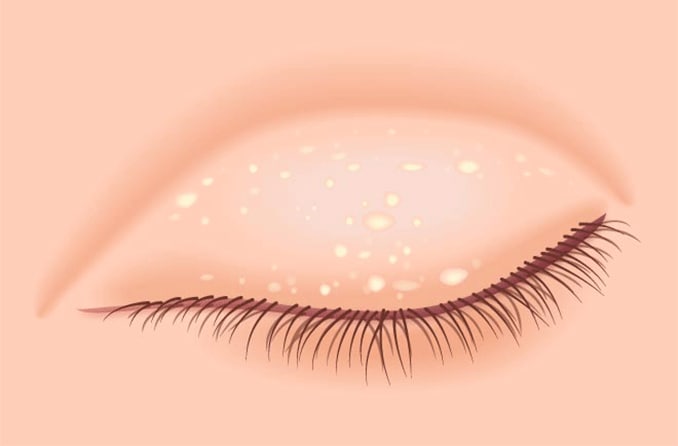
They appear in sensitive areas such as the eyelids
-
They cause pain or irritation
-
They spread or change in appearance
A professional evaluation ensures that the condition is properly identified and treated safely.
Final Thoughts
Small white bumps on the skin are often harmless, but that does not mean they should always be treated at home. Conditions such as milia or certain skin growths require careful handling, and improper treatment may cause more harm than good.
Recognizing when to leave these bumps alone and when to seek professional advice—can help maintain healthy skin and prevent unnecessary complications.
Sometimes, the safest approach is not to rush into treatment but to allow trained specialists to handle the problem with the right tools and expertise.