
Watch Out for These 5 Plants That Could Make Your Garden More Snake-Friendly
5 Common Plants That May Encourage Snakes to Visit Your Garden
Tips 01/07/2026 14:38
Storing Eggs on the Refrigerator Door: A Common Mistake
Many households habitually store eggs on the refrigerator door, but experts advise against this practice.
Eggs are a nutritious food source, rich in high-quality protein, and easily absorbed by the body. Additionally, they contain numerous vitamins and minerals such as vitamin A, folate, vitamin B5, B12, B2, as well as phosphorus, calcium, and zinc. While eggs are high in cholesterol, the cholesterol in eggs does not significantly contribute to increased blood cholesterol levels.
Consuming eggs is also an excellent way to boost HDL, the "good" cholesterol, which reduces the risk of cardiovascular diseases, strokes, and other health issues. Studies have shown that eating two eggs daily for six weeks can increase HDL levels by 10%.
Another essential nutrient found in eggs is choline, which is critical for cell membrane formation and creating signaling molecules in the brain to regulate various functions.
Eggs are not only healthy but also versatile for cooking, making them a common staple in household refrigerators. The refrigerator door is a common place for egg storage. However, experts warn this is not an ideal location.
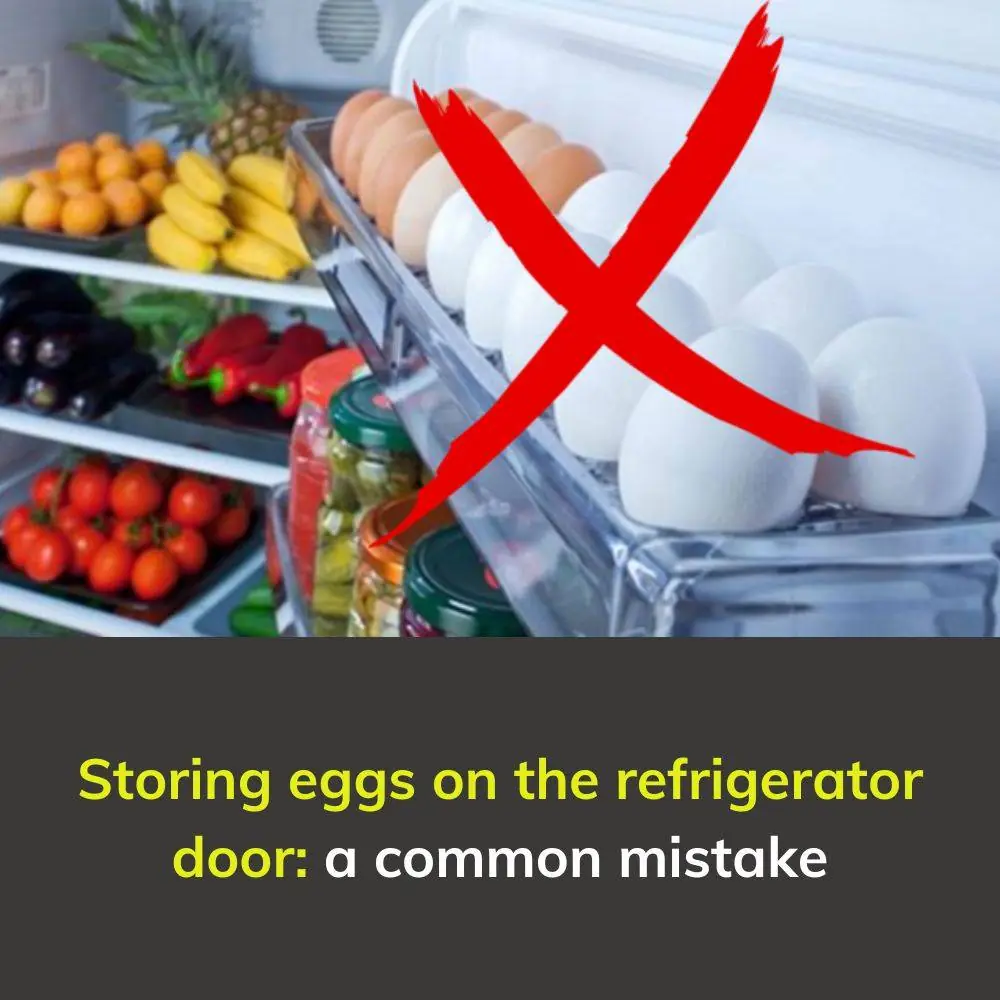
Vlatka Lake, a business director at Space Station, a company specializing in storage solutions, explains that the refrigerator door is the area with the most unstable temperature due to frequent opening and closing. Storing eggs here exposes them to temperature fluctuations, making them prone to spoilage. Furthermore, the constant movement caused by opening and closing the door can lead to vibration, which reduces egg quality over time.
Dr. Ta Tung Duy from the Vietnam Institute of Applied Medicine similarly states that the temperature changes at the door can weaken the protective membrane of the eggshell, allowing bacteria to grow. This increases the risk of contamination and causes the eggs to spoil faster.
By following these tips, you can ensure that your eggs remain fresh and safe for consumption, contributing to both household savings and better health.
5 Common Plants That May Encourage Snakes to Visit Your Garden

Could Your Birth Month Reveal Your Relationship Style?
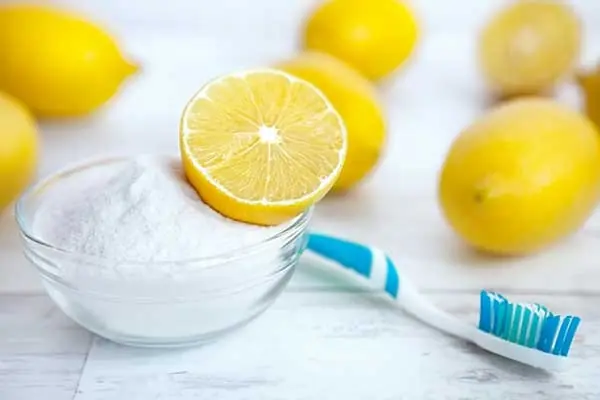
7 Natural Tips to Fight Tooth Decay and Maintain a Healthy, Radiant Smile
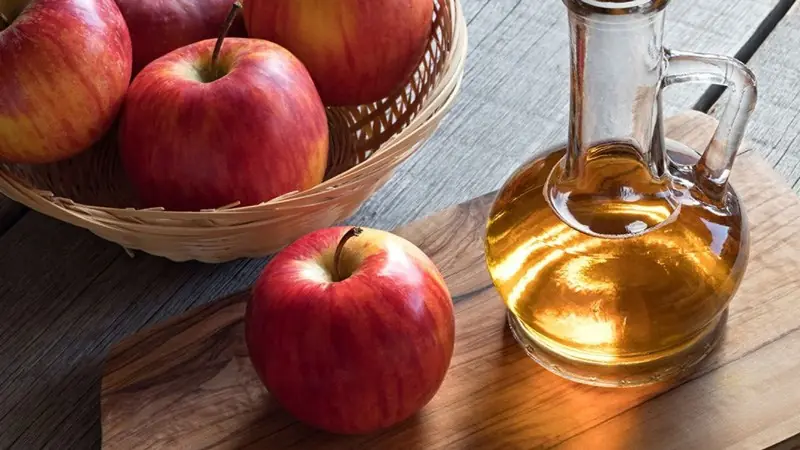
Apple Cider Vinegar: 12 Popular Uses Backed by Tradition and Research

6 Surprising Things Your Phone's Volume Buttons Can Actually Do
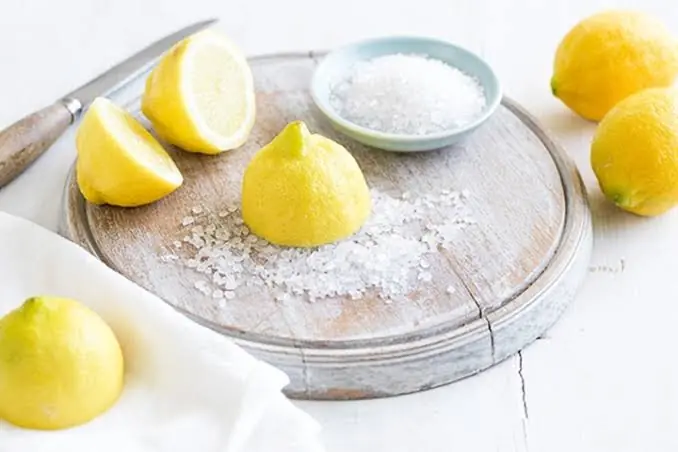
Why You Should Cut a Lemon into 4, Add Salt, and Leave It in Your Room Overnight
A simple hotel-room trick that may improve hygiene and peace of mind.

This tiny piece of jewelry has over 4,000 years of history.
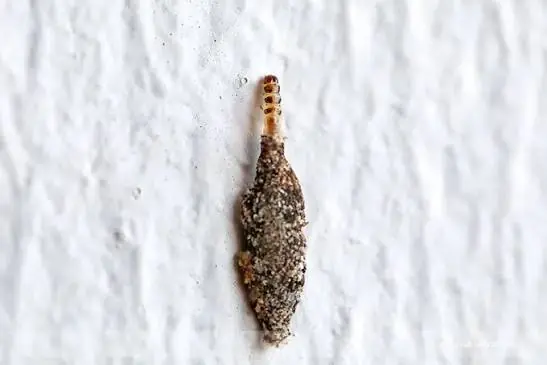
Curious About the Kamitetep? Here's What You Should Know About This Remarkable Moth

Age alone doesn't determine driving ability—health and safety matter most.

Small everyday changes may reveal important health concerns in older adults.

A Fun Personality Test That Starts With Just Three Beautiful Cups.
7 Popular Beauty Uses for Coconut Oil and What You Should Know


Some Plants May Attract the Animals That Snakes Feed On - Here's What to Know
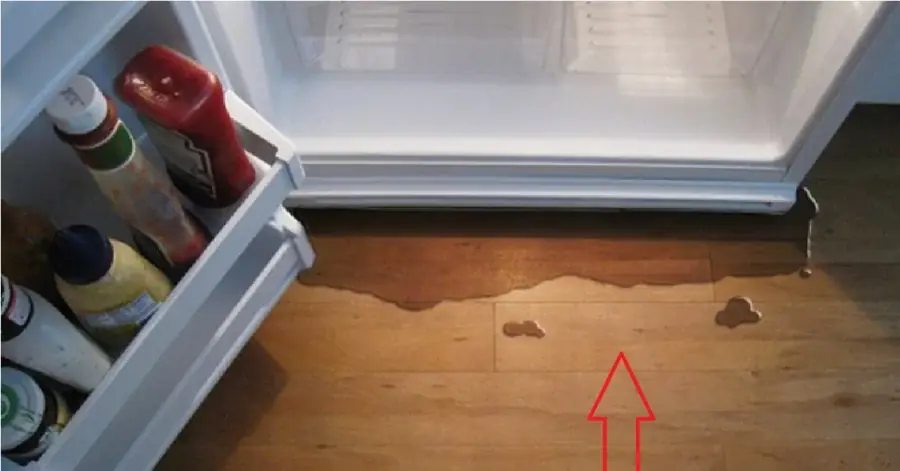
Most Refrigerator Leaks Have Simple Fixes!
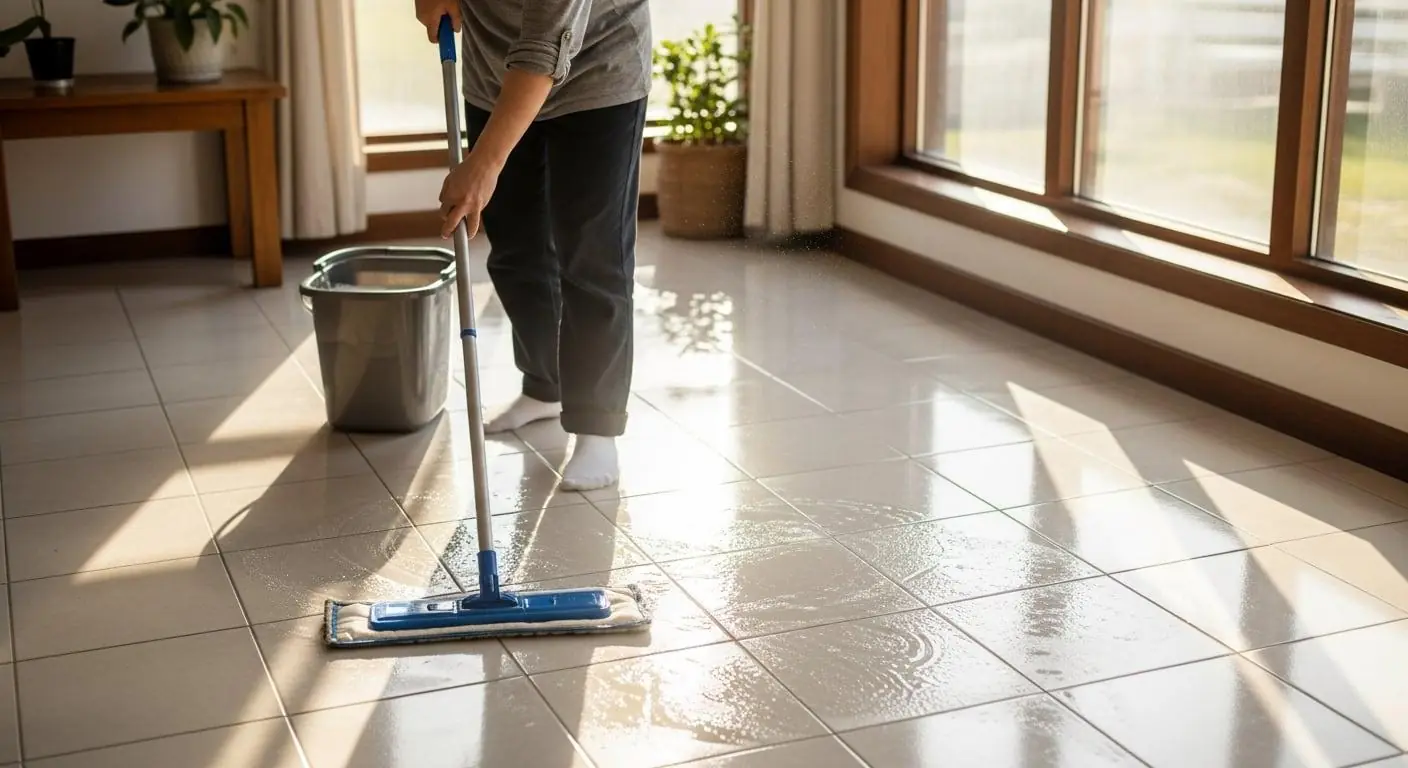
A Traditional Cleaning Secret That's Making a Comeback.
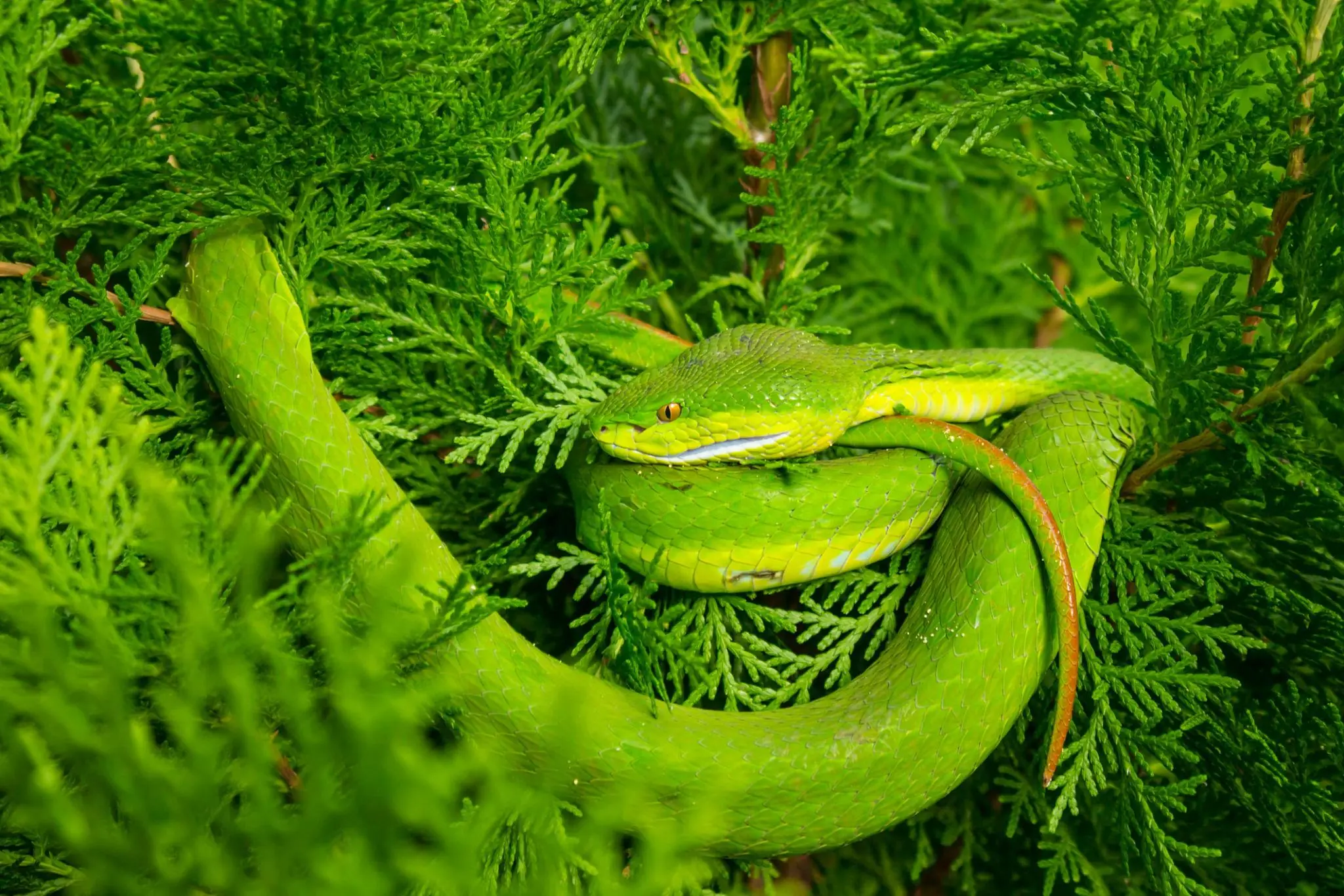
It's not always the plant—it's what the plant attracts.
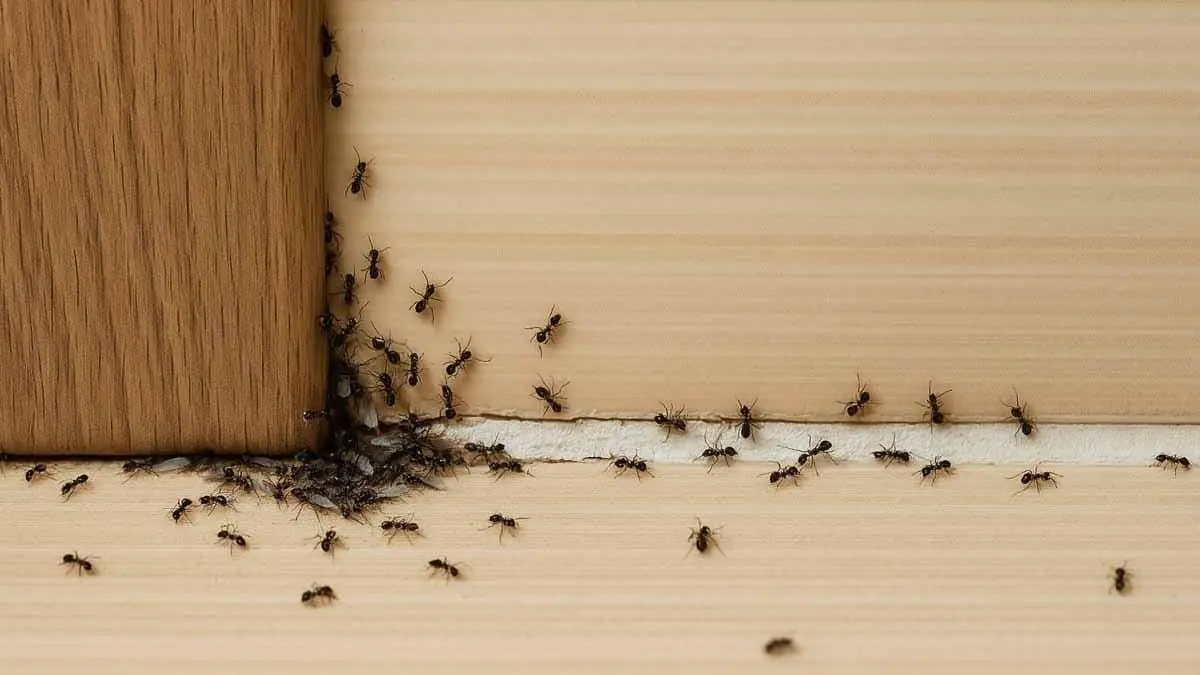
Natural household tricks that may help keep ants away without harsh chemicals.
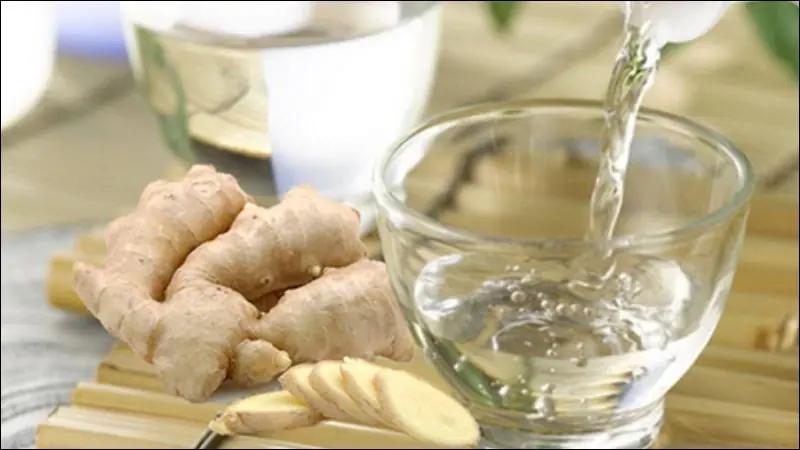
Extend the Shelf Life of Fresh Ginger Using These Simple Storage Methods
Not All Lumps Are Dangerous—But These 4 Symptoms Warrant a Medical Checkup 👇
A simple breakfast habit may support your health in surprising ways.
A startling discovery at home sparked curiosity and a search for answers.

Most People Think They're Just Weeds—The Truth Is Fascinating
What Every Home Cook Should Know
Don't Wait for Symptoms: Ways to Support Healthy Kidney Function
Support Stronger Legs Naturally with These 3 Nutritious Drinks
5 Foods Women Should Limit to Help Support a Healthy Uterus
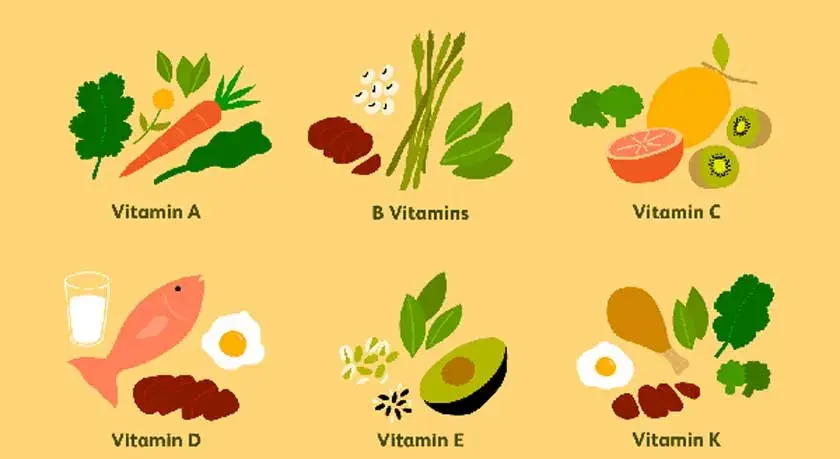
After Age 60, These 4 Vitamins Become More Important Than Ever
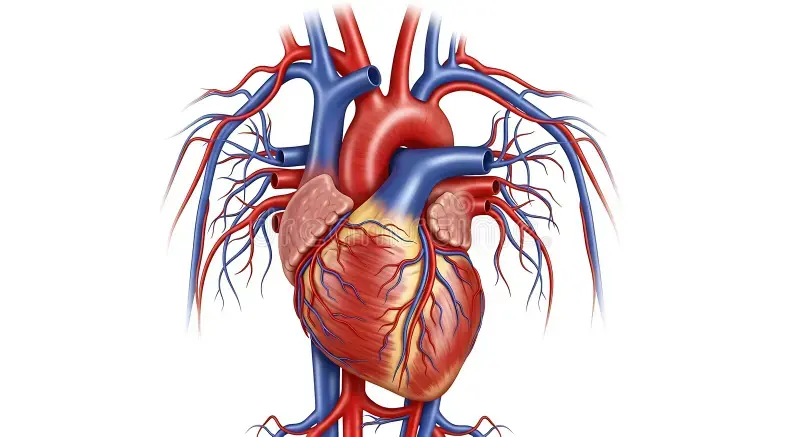
Your Heart May Be Sending Signals Before a Heart Attack. Here Are 7 to Know.
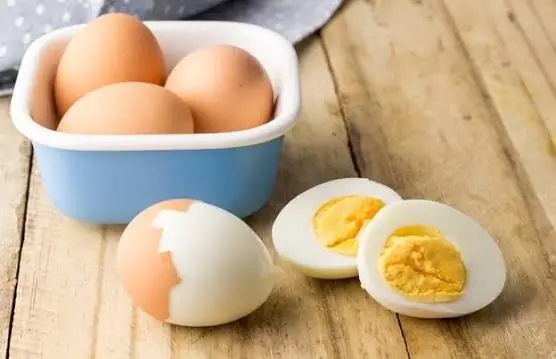
Don't Eat an Egg Until You've Checked for These 6 Warning Signs
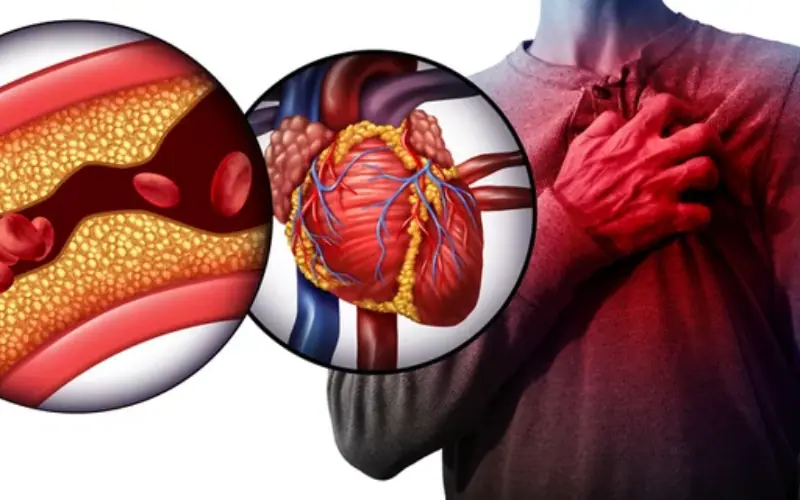
Could Your Daily Routine Be Putting Your Heart Health at Risk?
5 Common Plants That May Encourage Snakes to Visit Your Garden

Right-Side Sleeper? There Are a Few Things Worth Knowing 💡
❤️ Your Blood Vessels Could Be Trying to Tell You Something. Find Out More 👇
Nutrition experts say one everyday nut may help support healthy brain aging.

😳 If Your Legs Cramp While You Sleep, Read This First
💧 The Truth About Boiling Water: 3 Habits You May Want to Change

The Truth About Daily Showers Might Surprise You
What Doctors Say About Parasite Risks in Certain Common Foods May Surprise You 👀