
Not just cute—he’s on a quiet journey to feeling safe again
He’s more than just adorable… he’s slowly learning what safety feels like
News 08/04/2026 15:25
Since the last week of October, a mysterious disease has been tormenting people in Kwango province, southern Democratic Republic of Congo.
The Nguoi Dua Tin newspaper on December 12 reported with the title: "Strange disease outbreak in Congo kills dozens of people, a "death spot" that targets children" with the following content:
Since the end of October, in a remote area of the Democratic Republic of Congo, hundreds of people have begun to suffer from a strange disease with a series of symptoms such as fever, aches, cough and runny nose. Health officials have yet to determine the cause of this outbreak and whether it is "disease X" - the name given by the World Health Organization (WHO) to a hypothetical future pandemic, with a severity equal to the COVID-19 pandemic that has raged and caused serious damage.
The mysterious illness began ravaging people in the southern DRC province of Kwango in the last week of October, according to the WHO. By December 5, the WHO had recorded more than 400 cases and 31 deaths — a fatality rate of 7.6 percent. By comparison, the estimated fatality rate of COVID-19 is around 1 percent.
Most cases and deaths in Congo have been among children, especially those under five. All of the severe cases among children have been associated with malnutrition, the WHO said. While the outbreak appears to have peaked in early November, another outbreak is ongoing.
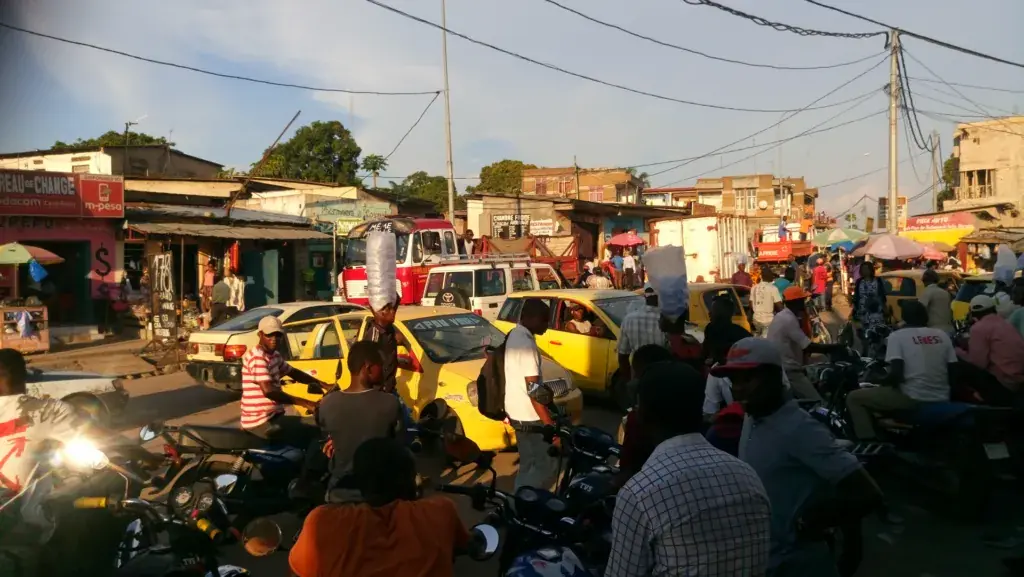
Is this “Disease X”?
The WHO coined the term “Disease X” in 2018 to raise awareness of the threat posed by unforeseen pathogens. And the following year, a new coronavirus began circulating in Wuhan, China.
However, experts say most outbreaks are caused by familiar pathogens. The WHO said ten samples tested positive for malaria.
WHO Director-General Tedros Adhanom Ghebreyesus said there could be more than one pathogen involved in the outbreak, and authorities are continuing to test additional samples.
Africa CDC Director General Jean Kaseya said the timing of the DRC government alerting the WHO of the outbreak in late November was too late:
"We certainly don't want to see any outbreak that takes five to six weeks to be reported."
The outbreak began about 48 hours away from the capital, Kinshasa, according to the WHO. There are no laboratories in the region capable of testing samples, meaning they must be transported to the capital for testing.
A recent survey by the Africa Centers for Disease Control and Prevention, which did not include the Democratic Republic of the Congo, found that many countries lack the infrastructure and laboratories needed to diagnose outbreaks.
In 2023, there were 180 public health emergencies, mostly caused by infectious diseases such as Marburg, mpox, polio and others. Most of the 15 countries surveyed said they did not have continuous access to supplies, medical supplies, and chemicals to perform tests.
Why are so many people dying?
While it is still unclear what caused the outbreak, there are factors that could contribute to the high death rate in this country.
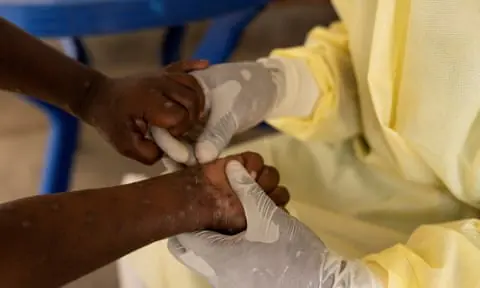
The Democratic Republic of the Congo is in the throes of conflict, with some six million people killed in armed violence in the eastern part of the country alone since 1996. In the west, including Kwango, intercommunal violence has flared up, exacerbating food shortages. The UN World Food Programme has described this as one of the world’s worst hunger crises. Millions of people have been displaced from their livelihoods as they flee conflict, with some 25.6 million people suffering from emergency levels of food insecurity, and nearly 4.5 million children suffering from severe malnutrition. In particular, the WHO report said food insecurity in Kwango rose from moderate to crisis levels between April and September. Malnourished children are more likely to suffer severe consequences from measles and other diseases. In addition, low vaccination rates have left people in Kwango more vulnerable to severe consequences from disease outbreaks.
The high level of conflict and poverty has left many areas without the necessary health care and diagnostic infrastructure to care for the sick or warn of sudden disease outbreaks.
Next, on December 12, the Phap Luat newspaper also published an article with the information: "The Ministry of Health informs about the mysterious disease in Congo that has caused many deaths". The content reported by the newspaper is as follows:
Regarding the mysterious disease in Congo that has caused many deaths, Mr. Hoang Minh Duc, Director of the Department of Preventive Medicine (Ministry of Health), said that the World Health Organization (WHO) has had official information on this issue.
Specifically, according to WHO, in the Panzi area, Kwango province, Democratic Republic of Congo, from October 24 to December 5, 2024, 406 cases of an unknown disease were recorded, including 31 deaths (7.6%).
The cases were mainly children (53% of cases and 54.8% of deaths were under 5 years old). All severe cases showed signs of severe malnutrition.
According to WHO, the area where this mysterious disease was recorded is a rural area, in a remote province, far from the capital Kinshasa. This area has also experienced food shortages in recent months, along with poor medical conditions, low vaccination rates, and very limited access to diagnosis and case management.
Malaria is common in the area and is believed to be linked to the mysterious cases. However, malaria control measures are very limited.
It is currently the rainy season, so access to health services is difficult.

The WHO assesses the risk level for affected communities in the outbreak area as high, due to limited provision and access to health services; low vaccination rates; difficult living conditions, food, and transportation in the area.
At the same time, initial information on clusters of cases in families shows that the disease is likely to spread between households.
At the regional and global levels, the WHO assesses the risk level as low and only notes surveillance at the border with neighboring Angola.
Therefore, the leader of the Department of Preventive Medicine said that the Department will continue to monitor and closely follow the developments of the epidemic situation, proactively conduct surveillance based on information about the epidemic in Congo and coordinate with WHO and other countries to update and share information about the epidemic.
If necessary, the Department of Preventive Medicine will coordinate with relevant units to assess risks to propose appropriate solutions, including strengthening medical quarantine work.
He’s more than just adorable… he’s slowly learning what safety feels like
The Life-Saving Determination of a Cat: How Loyalty Made the Difference

A Silent Moment That Spoke Louder Than Words
The Power of Quiet Resilience in a Harsh World

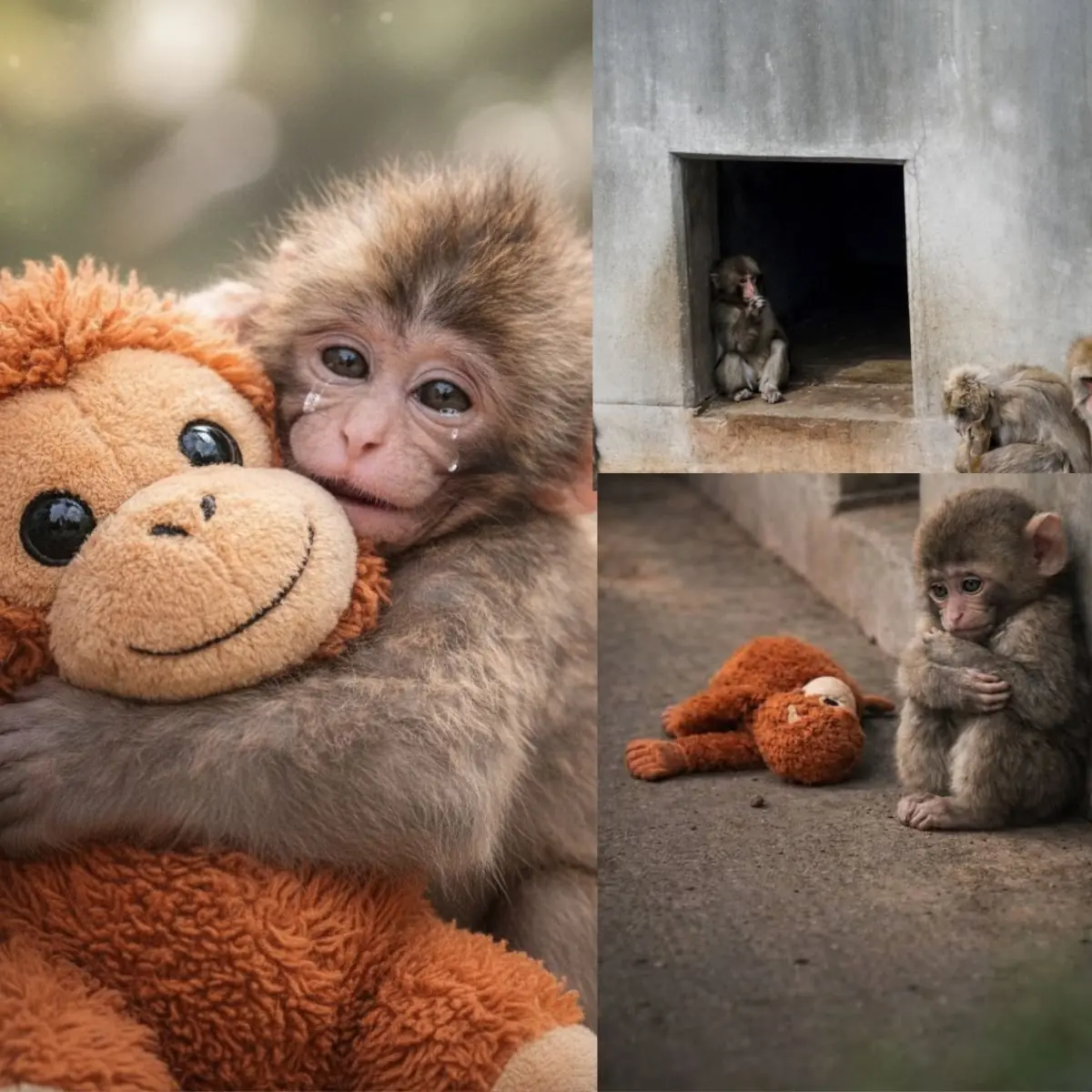
The Monkey Hug That Reminds Us What Comfort Really Is
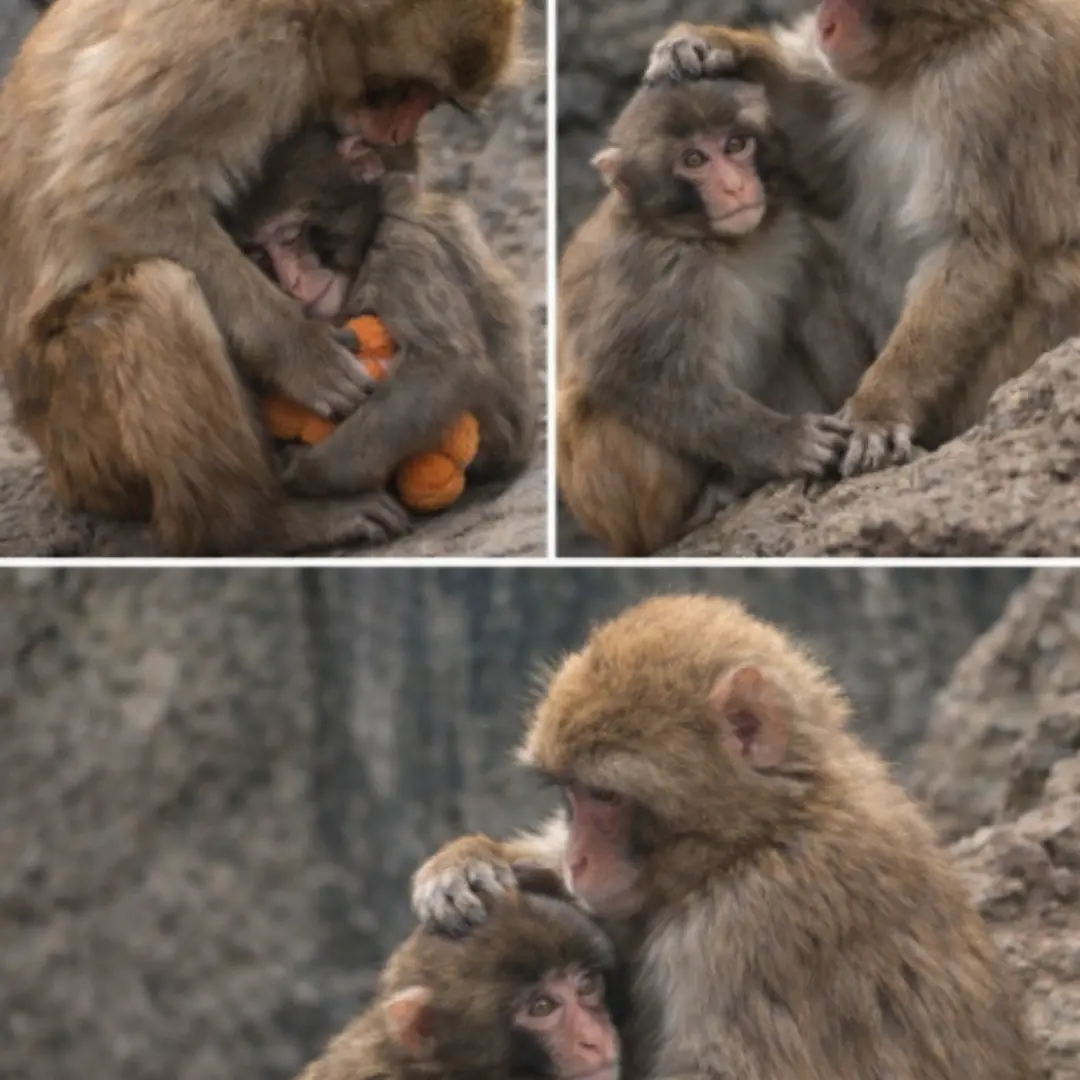
You Think It’s Cute—But Here’s Why Monkeys Really Hug

When Punch Needed It Most: The Monkey Hug That Brought Millions to Tears

When Punch Falls for Someone, He Acts Human… But That Might Be Only the Beginning
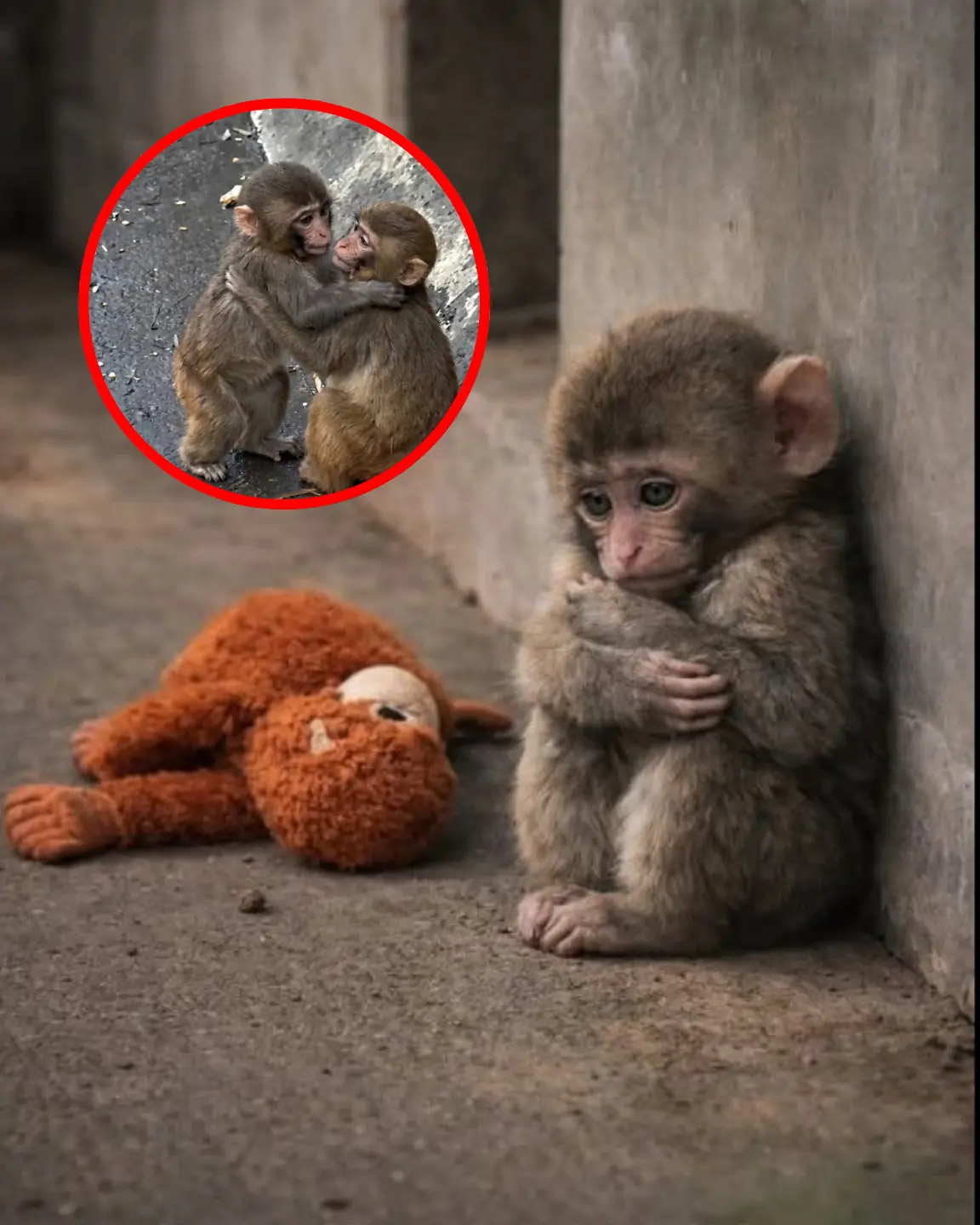
When Little Hearts Break: The Story of Punchy’s Quiet Struggle
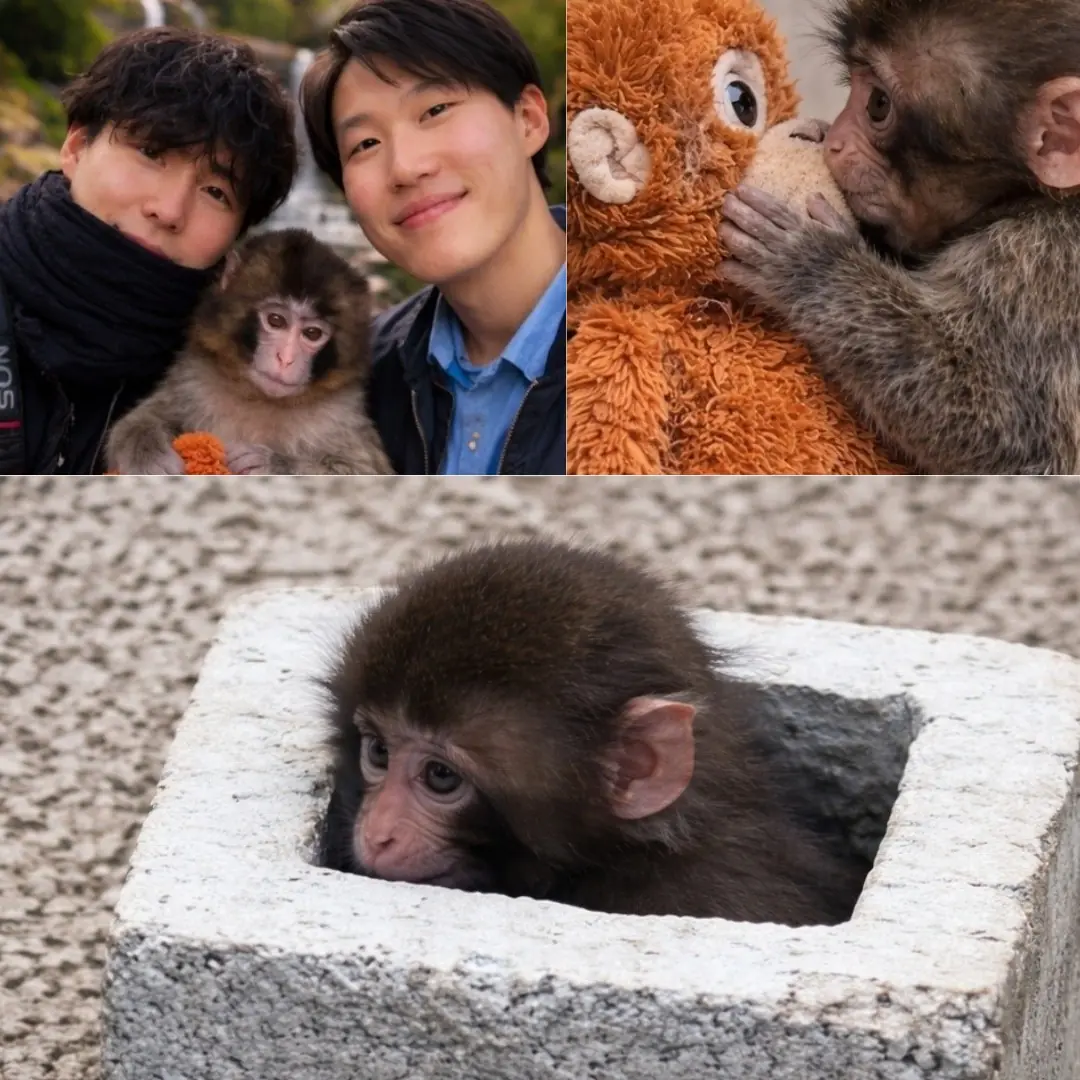
From Fragile to Fearless: Punch the Macaque’s Story of Trust and Love

Too Much Love, Not Enough Understanding: Luna’s Story
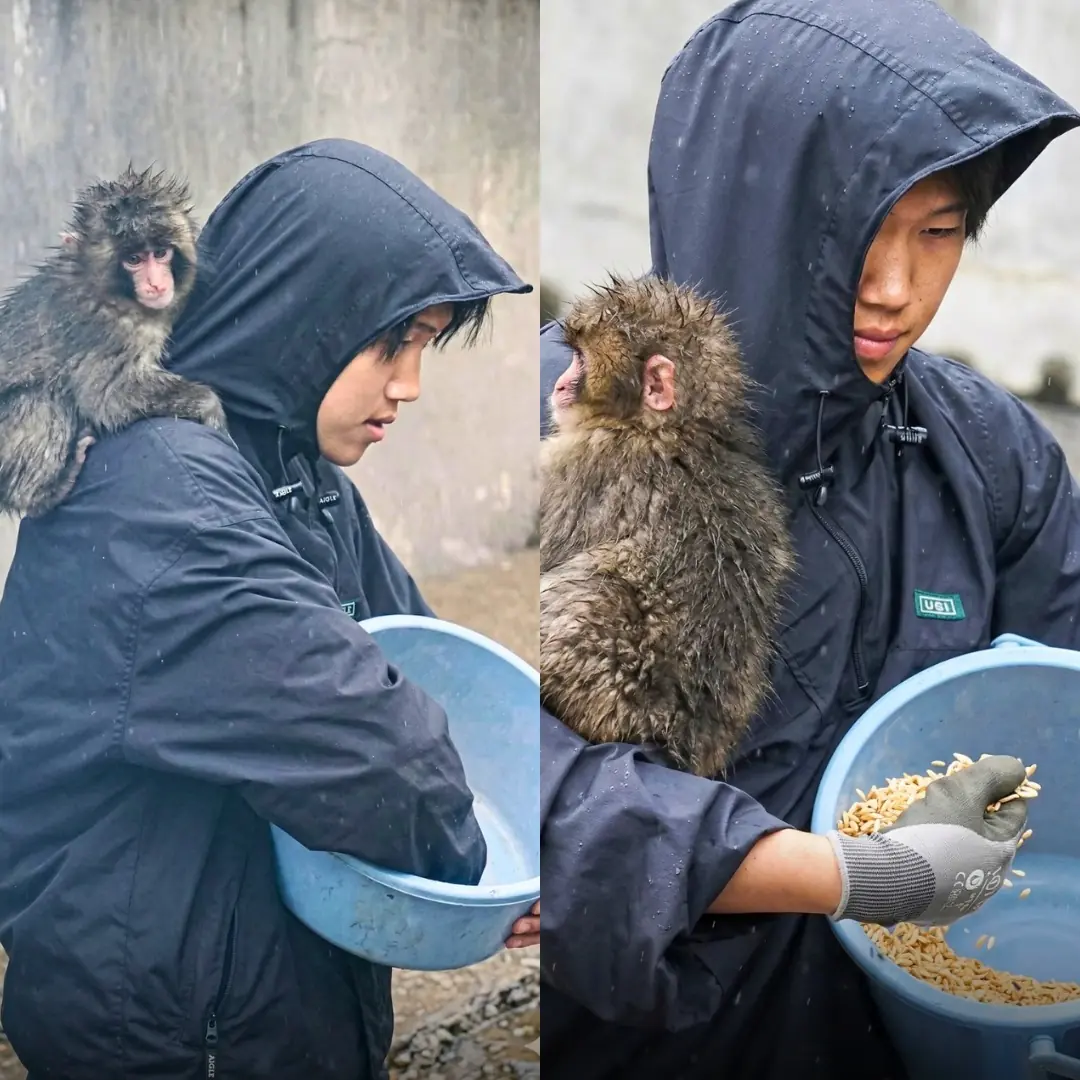
Little Punchy’s Adventure: How a Tiny Monkey Found Safety and Trust

With his paw over his eyes, he looked like he was trying to shut out the world he never chose.

From Hiding in Fear to Living in Comfort: The Story of a Kitten Saved by Kindness
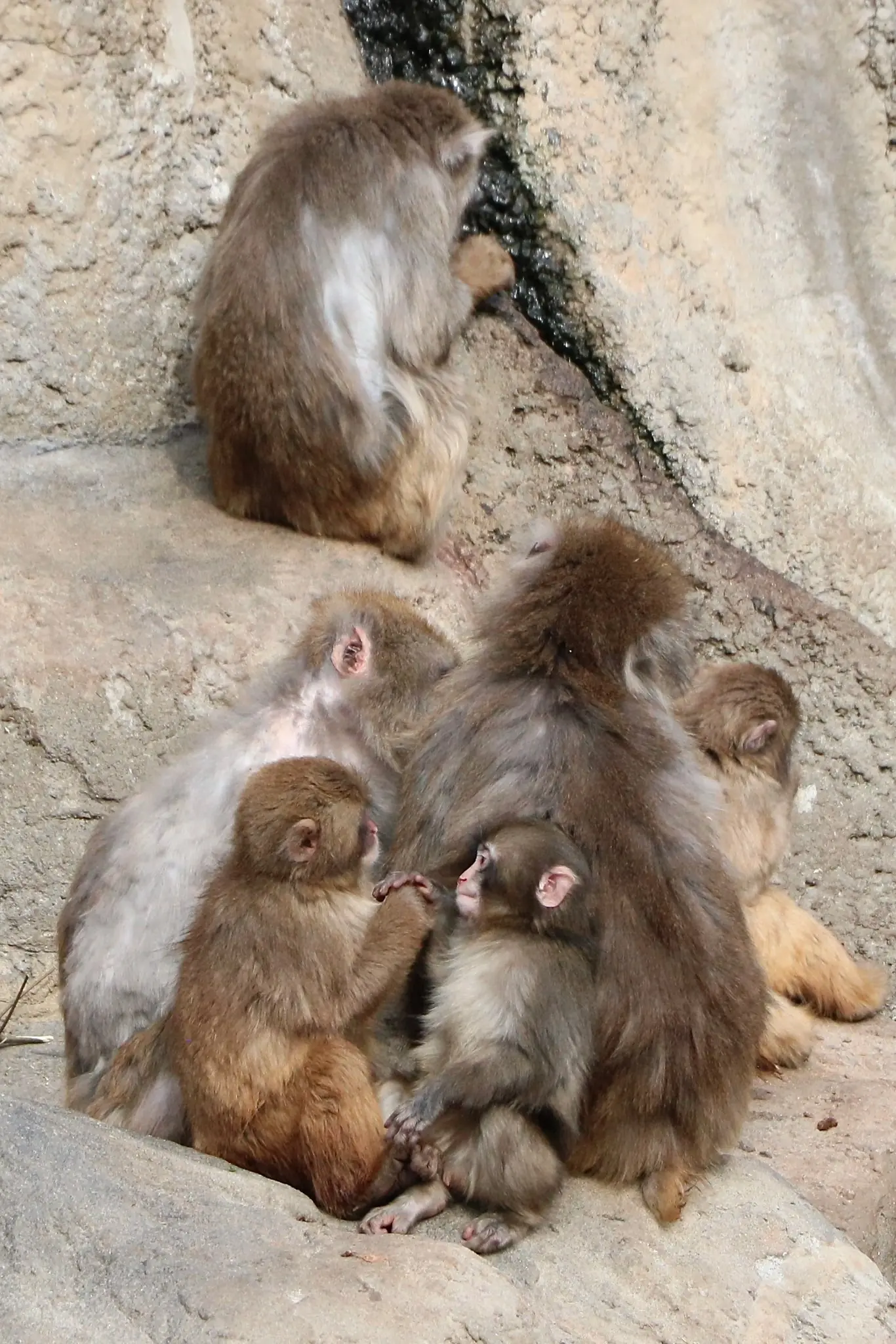
Little Punchy Takes a Giant Step Toward Play and Friendship

From Play to Trust: How Small Moments Build Lasting Bonds

From Fear to Peace: Little Punchy’s Journey to Safety and Rest
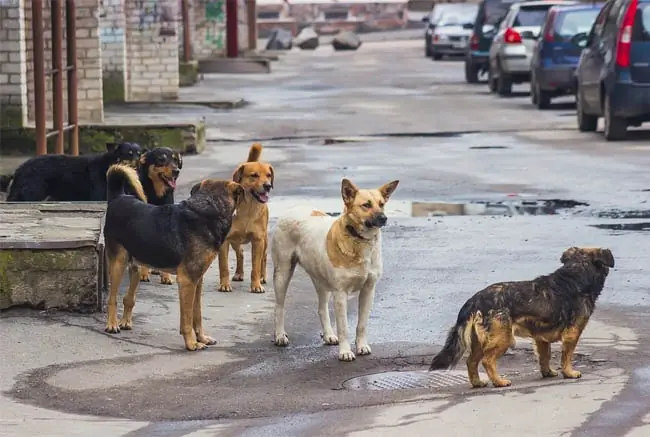
Keep Going: What the Most Courageous Animals of 2026 Can Teach Us
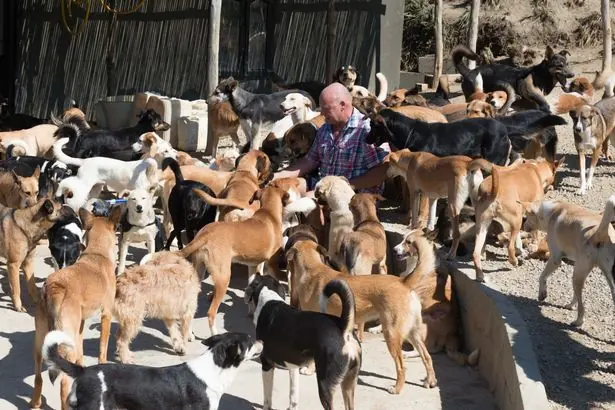
Still Moving Forward: Inspiring Lessons from the Bravest Animals of 2026
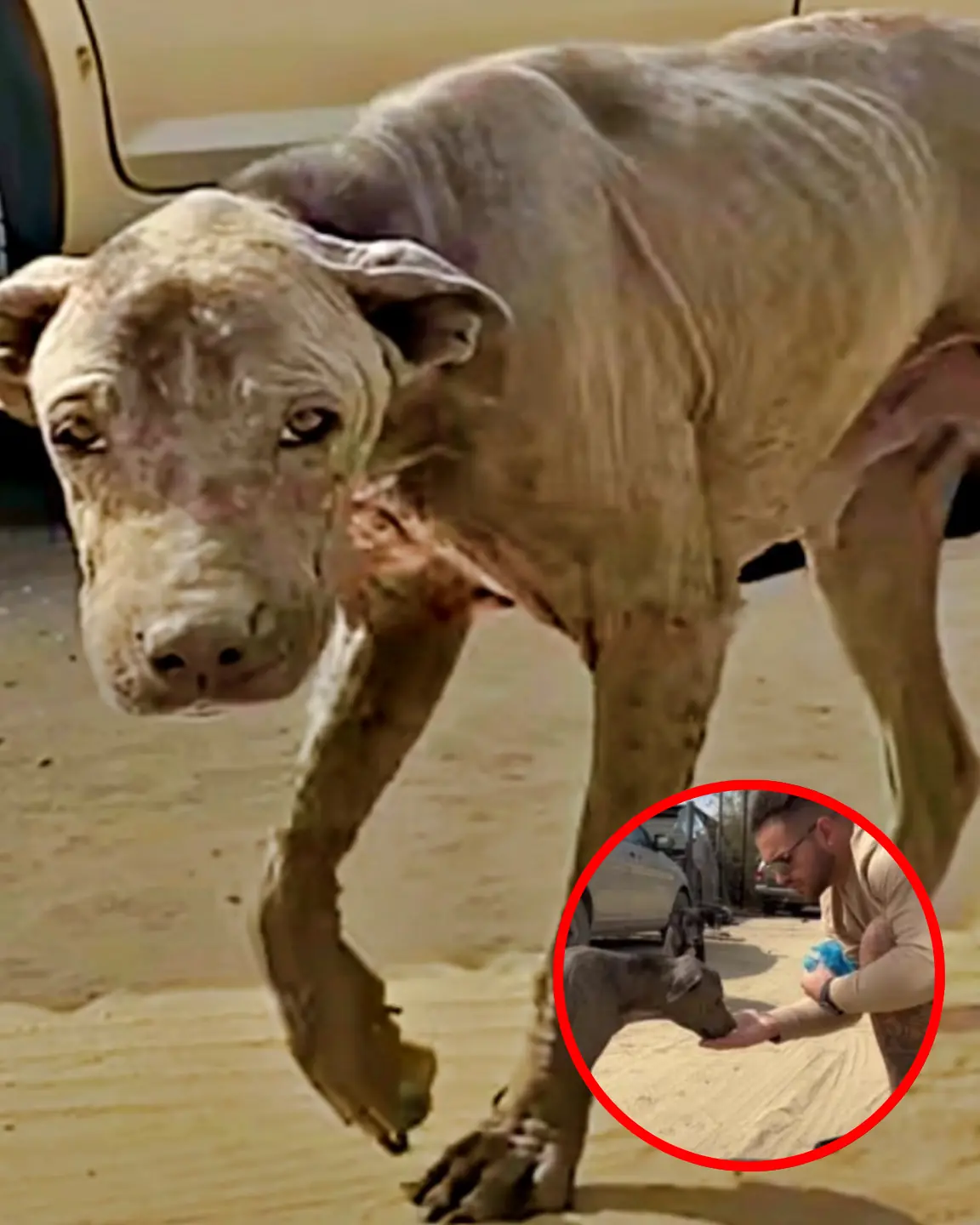
Couple Halts Vacation After Vet Reveals Shocking Truth About Stray Dog

What science says about oregano and its role in improving health?

2 Eggs a Day: Surprising Changes in Your Body

Tips to eliminate chemical residues from supermarket chicken

Keep Them Fresh the Right Way: 12 Foods to Avoid Refrigerating

Your feet may be trying to warn you about circulation and nerve issues—here are twelve signs you should always take seriously
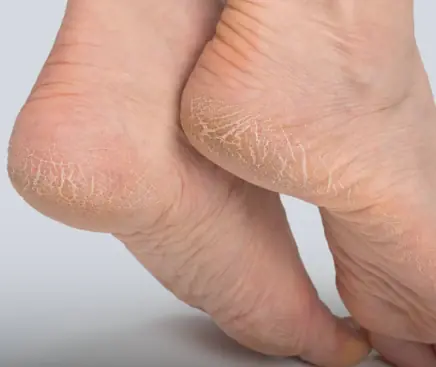
Heel pain is a common complaint that affects people of all ages. While many cases are caused by minor issues such as overuse, poor footwear, or strain from physical activity, pharmacists and healthcare professionals warn that persistent or severe heel pai

Nighttime symptoms can sometimes be overlooked as mere discomfort, but certain recurring patterns could signal more serious underlying health conditions, including cancer.

Pork is one of the most widely consumed meats worldwide, but many people only eat muscle meat while overlooking some of the most nutritious and valuable parts of the pig. Certain pig parts are not only rich in essential nutrients but also have medic
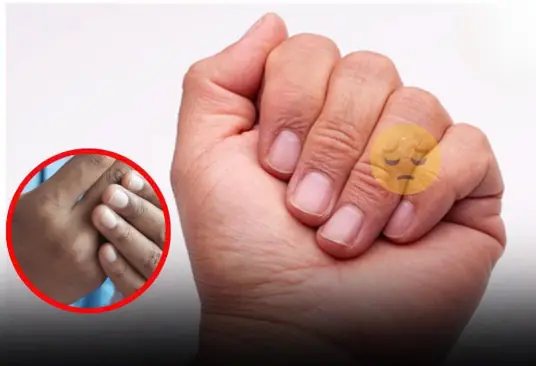
This might sound unbelievable, but in reality, many small changes in the body, particularly abnormalities in the fingers, can be early warning signs of serious health issues.

Chicken is a low-fat, low-calorie poultry that is rich in protein. Not only is chicken versatile and can be made into many delicious dishes, but it is also very good for your health.
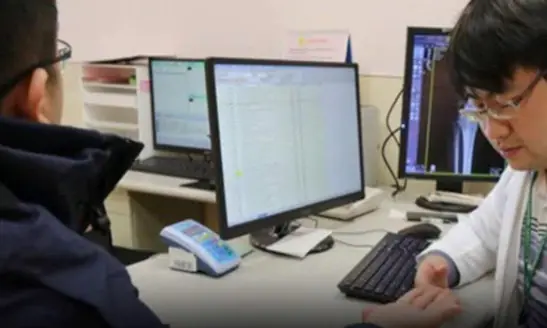

One type of cancer that is rapidly increasing in young people, faster than colorectal cancer, is esophageal cancer. This cancer has seen alarming growth rates in recent years, especially in individuals aged 25 to 40.

In addition, stools may be pale in color and have an odor, which is also a sign that the pancreas is blocked by a cancerous tumor.

Snakes are listed among the most dangerous animals to humans. Surely, none of us wants to encounter these creatures within our home premises.

Many people often have the habit of soaking meat in water first to quickly defrost it with hot or cold water.

7-year-old old boy mocked by by classmates for bad smell, mother stunned by what doctor removed from his mouth'
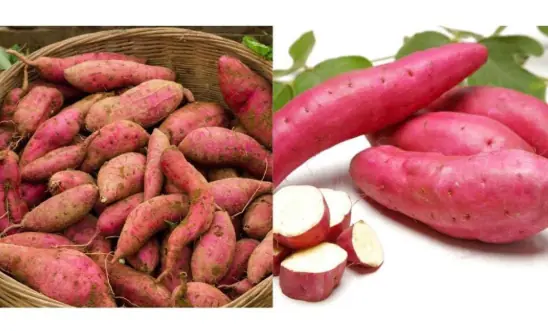
Sweet potatoes are often hailed as a nutritional powerhouse, offering numerous health benefits when incorporated into a balanced diet.

Broccoli is a common vegetable with many outstanding health benefits, ranging from reducing the risk of cancer and protecting the heart to improving digestion and boosting immunity. It truly deserves a place on every family’s dining table.

It can be extremely taxing to recognize when a loved one may be nearing the end of their life.

In 2022, Japan was the country with the highest average life expectancy in the world. Every 25 years, the Japanese life expectancy increases by at least 4 years, with a very low rate of illness.