A stroke is a serious medical emergency that occurs when blood flow to part of the brain is interrupted or significantly reduced. Without an adequate supply of oxygen and nutrients, brain cells can begin to die within minutes. Because of this, recognizing the warning signs of a stroke and seeking immediate medical attention can make a critical difference in outcomes.
One of the most challenging aspects of stroke is that symptoms often appear suddenly and without warning. A person may feel completely normal one moment and experience alarming neurological symptoms the next. While stroke can affect people differently, there are several key warning signs that healthcare professionals emphasize repeatedly because of their importance.
Understanding these symptoms may help individuals respond quickly and potentially reduce the risk of long-term complications.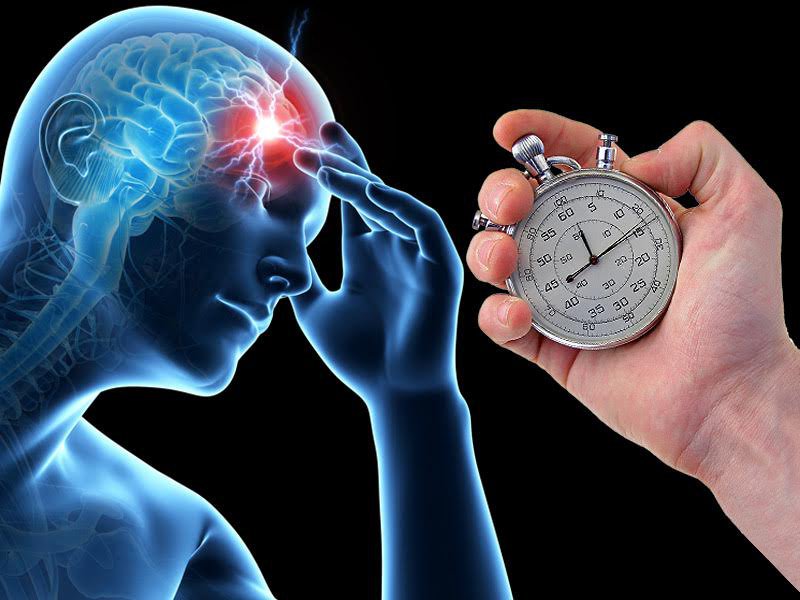
What Is a Stroke?
A stroke occurs when the brain's blood supply is disrupted.
The Two Main Types of Stroke
Ischemic Stroke
This is the most common type.
It occurs when a blood vessel supplying the brain becomes blocked, often by a blood clot.
Hemorrhagic Stroke
This occurs when a blood vessel in the brain ruptures and causes bleeding.
Both types require immediate medical evaluation.
Why Time Matters
Healthcare professionals often use the phrase:
"Time Is Brain"
This means that every minute counts.
When Blood Flow Is Interrupted
Brain cells begin to suffer damage very quickly.
Prompt treatment may help:
-
Reduce brain injury
-
Improve recovery outcomes
-
Lower the risk of disability
-
Save lives
This is why recognizing symptoms early is so important.
Sign #1: Sudden Weakness or Numbness on One Side of the Body
One of the most recognizable signs of stroke is weakness or numbness that affects only one side of the body.
This May Involve
-
The face
-
An arm
-
A leg
-
An entire side of the body
What It Might Look Like
A person may suddenly:
-
Drop an object
-
Struggle to lift one arm
-
Feel numbness in the face
-
Have difficulty walking
Facial Drooping
A common example is facial drooping.
You May Notice
One side of the face appears uneven.
For Example
-
One corner of the mouth droops
-
The smile appears uneven
-
Facial muscles seem weak
This symptom often develops suddenly.
Why It Happens
The brain controls movement throughout the body.
When part of the brain responsible for movement is affected, weakness or numbness may occur on the opposite side of the body.
Sign #2: Sudden Difficulty Speaking or Understanding Speech
Stroke can affect areas of the brain involved in language and communication.
Possible Symptoms Include
-
Slurred speech
-
Difficulty forming words
-
Speaking incoherently
-
Trouble understanding others
What Family Members May Notice
Sometimes the affected person is unaware that their speech sounds unusual.
Others May Observe
-
Confused responses
-
Incorrect word choices
-
Difficulty following conversations
Any sudden language change should be treated seriously.
Why Communication Problems Occur
Different parts of the brain control speech production and language comprehension.
When these areas are affected, communication abilities may become impaired.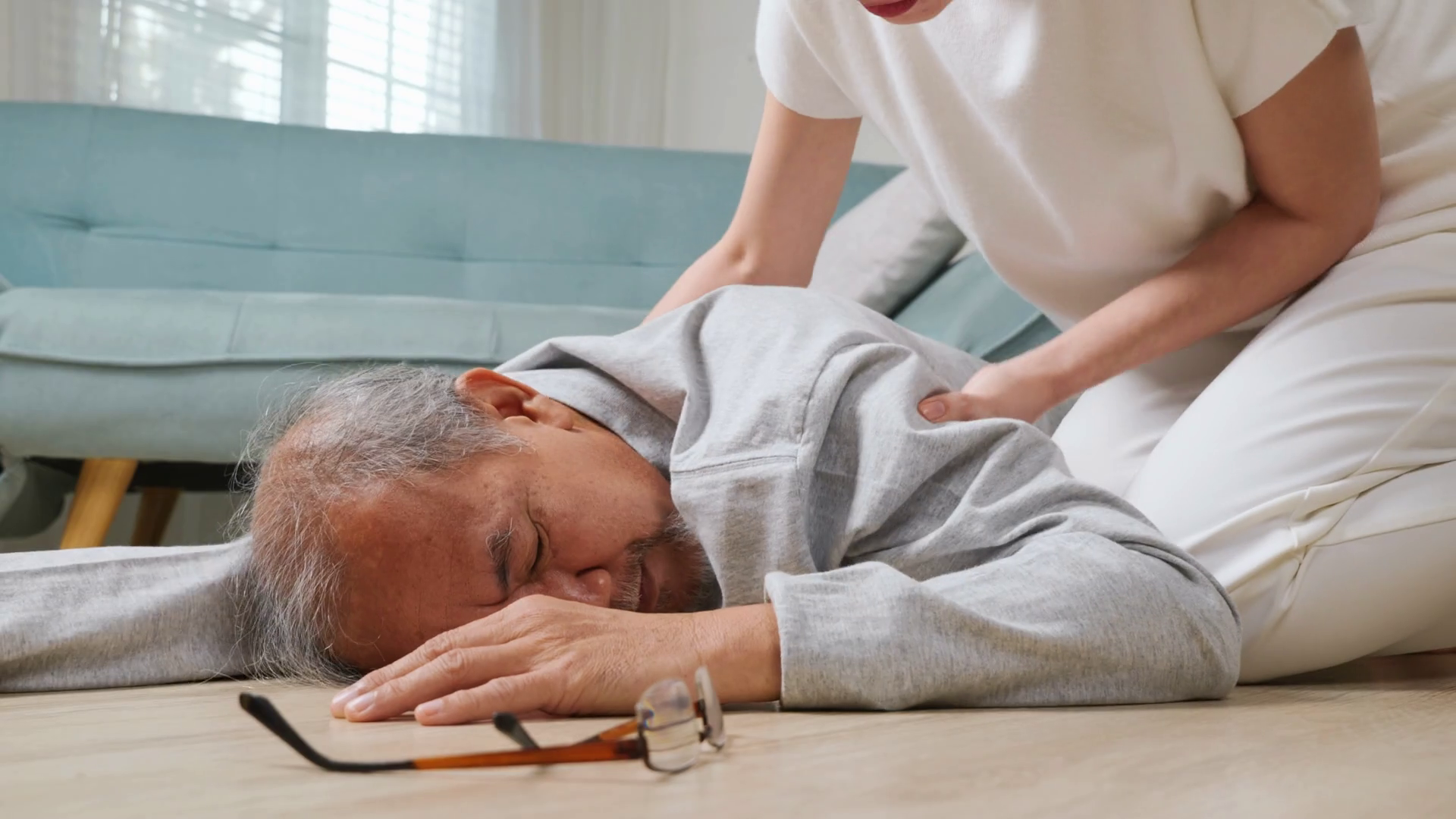
Sign #3: Sudden Vision Changes
Vision problems are another important warning sign that many people overlook.
Stroke-Related Vision Changes May Include
-
Blurred vision
-
Double vision
-
Partial vision loss
-
Complete vision loss in one eye
Some People Describe
A sudden dark area appearing in their field of vision.
Others report difficulty focusing or seeing clearly.
Why Vision Can Be Affected
The brain processes visual information received from the eyes.
When blood flow to visual processing centers is disrupted, vision problems may occur even when the eyes themselves are healthy.
Vision Symptoms Can Be Temporary or Persistent
Regardless of duration, sudden vision changes require immediate evaluation.
Even if symptoms improve quickly, medical assessment remains essential.
Sign #4: Sudden Severe Dizziness, Loss of Balance, or Difficulty Walking
Stroke can affect the parts of the brain responsible for coordination and balance.
Warning Signs May Include
-
Sudden dizziness
-
Difficulty standing
-
Loss of balance
-
Unsteady walking
-
Poor coordination
What This May Look Like
A person may suddenly:
-
Stagger while walking
-
Feel unable to maintain balance
-
Experience unexplained falls
These symptoms are particularly concerning when they occur abruptly.
The FAST Method: A Simple Stroke Recognition Tool
Healthcare organizations frequently promote the FAST method.
F = Face
Ask the person to smile.
Look For
Facial drooping on one side.
A = Arms
Ask the person to raise both arms.
Look For
One arm drifting downward.
S = Speech
Ask the person to repeat a simple sentence.
Listen For
-
Slurred speech
-
Strange wording
-
Difficulty speaking
T = Time
If any of these signs are present:
Call Emergency Services Immediately
Do not wait to see if symptoms improve.
Other Possible Stroke Symptoms
Although the four signs above are among the most important, stroke symptoms can vary.
Additional Symptoms May Include
-
Sudden severe headache
-
Confusion
-
Difficulty swallowing
-
Sudden fatigue
-
Nausea
-
Loss of consciousness
Any sudden neurological change should be taken seriously.
Who Is at Higher Risk for Stroke?
Certain factors may increase stroke risk.
Common Risk Factors Include
-
High blood pressure
-
Diabetes
-
Smoking
-
High cholesterol
-
Obesity
-
Physical inactivity
-
Heart disease
-
Advanced age
Family History Matters Too
A family history of stroke may contribute to risk.
Understanding personal risk factors can help support prevention efforts.
Can Young People Have Strokes?
Yes.
Although stroke becomes more common with age, it can occur in younger adults and, in rare cases, even children.
This Is Why
Stroke symptoms should never be ignored based solely on age.
Common Myths About Stroke
Myth 1: Stroke Only Happens to Older Adults
People of various ages can experience strokes.
Myth 2: Symptoms Always Cause Pain
Many strokes are painless.
Myth 3: Symptoms Will Always Persist
Some symptoms may improve temporarily.
Even temporary symptoms require urgent evaluation.
Myth 4: It's Safe to Wait and See
Delaying medical care can reduce treatment options and worsen outcomes.
Preventing Stroke: Healthy Habits Matter
Although not all strokes can be prevented, healthy lifestyle habits may help reduce risk.
Examples Include
-
Managing blood pressure
-
Staying physically active
-
Eating a balanced diet
-
Avoiding smoking
-
Maintaining a healthy weight
-
Managing diabetes appropriately
-
Following medical advice
The Importance of Regular Checkups
Many stroke risk factors develop gradually.
Routine healthcare visits can help identify issues before complications occur.
When to Seek Emergency Care
If stroke symptoms appear suddenly, do not attempt to diagnose the situation at home.
Seek Emergency Medical Attention Immediately If You Notice
-
Facial drooping
-
Arm weakness
-
Speech difficulties
-
Sudden vision changes
-
Severe dizziness
-
Loss of coordination
Quick action may significantly improve outcomes.
The Bigger Picture
Stroke remains one of the leading causes of disability and death worldwide, but awareness continues to save lives. Many people survive strokes and recover successfully because someone recognized the symptoms and acted quickly. Understanding the warning signs empowers individuals, families, and communities to respond appropriately during an emergency.
Final Thoughts
Stroke symptoms often appear suddenly and without warning. Four of the most important signs include weakness or numbness on one side of the body, difficulty speaking or understanding speech, sudden vision changes, and dizziness or loss of balance. These symptoms should never be ignored, even if they seem mild or disappear quickly.
Recognizing the signs and seeking immediate medical care can make a life-changing difference. When it comes to stroke, acting fast is one of the most important steps anyone can take to protect brain health and improve the chances of recovery.