
7 proven reasons dark chocolate may be good for your body
Why dark chocolate is good for you: 7 proven benefits
Health 04/03/2026 14:50
Virtual reality (VR), once considered a technology reserved for gaming and entertainment, is now transforming the field of mental health care. In recent years, researchers and clinicians have explored the application of virtual reality in treating mental disorders such as phobias and post-traumatic stress disorder (PTSD). As technology continues to evolve, VR is increasingly seen as a promising, practical, and effective therapeutic tool for the future.
Traditional treatments for anxiety disorders, phobias, and PTSD often rely on medication and talk therapy. While these approaches have proven effective for many patients, they are not without limitations. Some individuals struggle to verbalize traumatic experiences, while others avoid exposure-based therapy due to fear or emotional distress. Virtual reality offers a new solution by creating immersive, controlled environments where patients can confront their fears safely and gradually.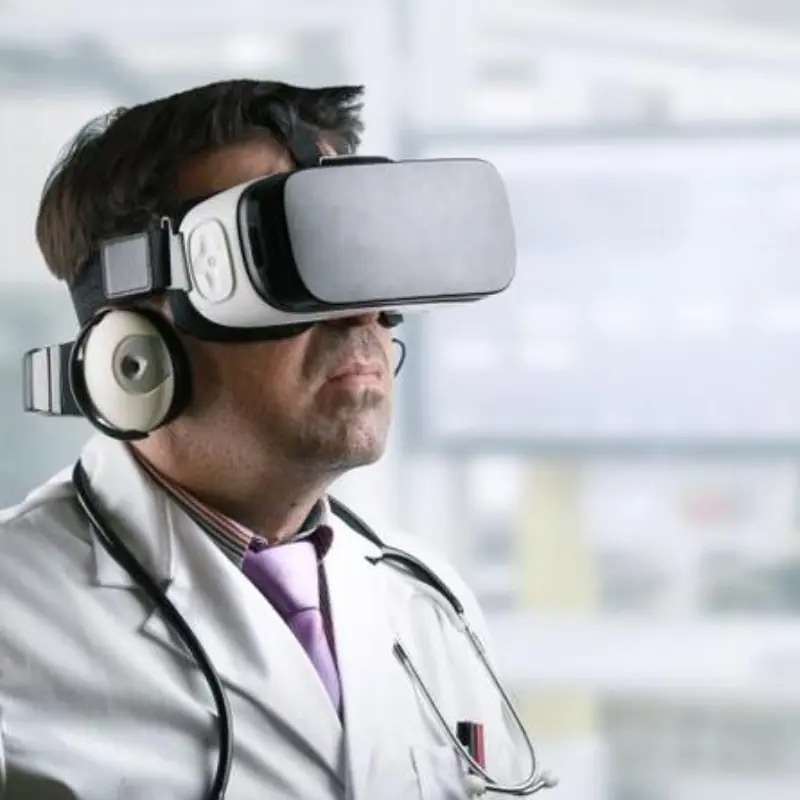
For patients with phobias—such as fear of spiders, heights, flying, or enclosed spaces—VR enables therapists to simulate triggering situations with remarkable realism. Wearing a VR headset, patients can be exposed to feared objects or scenarios in a step-by-step manner. The intensity of the experience can be carefully adjusted, allowing individuals to build tolerance and confidence without facing real-world danger. This method, known as virtual exposure therapy, has shown encouraging results in reducing anxiety and avoidance behaviors.
In the treatment of post-traumatic stress disorder, virtual reality plays an equally important role. PTSD patients often experience flashbacks, intrusive memories, and heightened emotional responses linked to traumatic events. VR allows therapists to recreate trauma-related environments in a controlled therapeutic setting. By revisiting these experiences under professional guidance, patients can process traumatic memories more effectively and gradually reduce emotional distress. Over time, repeated VR sessions may help the brain relearn how to respond calmly to previously overwhelming stimuli.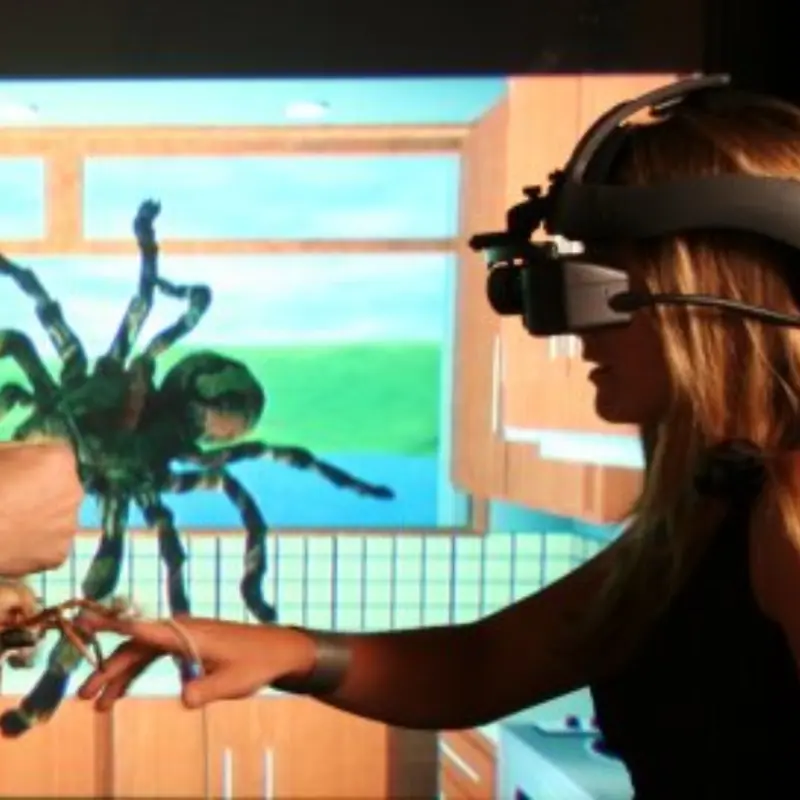
One of the most significant advantages of VR-based therapy is its ability to combine realism with safety. Unlike real-life exposure, virtual environments can be paused, repeated, or modified instantly. Therapists maintain full control over the session, ensuring that patients are never overwhelmed beyond their coping capacity. This level of precision makes treatment more personalized and adaptable to individual needs.
The image associated with this development highlights a patient wearing a VR headset while interacting with a virtual spider—an example of how immersive technology can be used to treat specific phobias. The scene demonstrates how the brain can be trained to distinguish perceived threats from real danger, gradually weakening fear responses through repeated exposure.
Looking ahead, the future of VR in mental health extends beyond treatment alone. Advanced VR systems combined with artificial intelligence could monitor physiological responses such as heart rate, breathing patterns, and stress levels in real time. This data may allow therapists to tailor sessions dynamically, adjusting the virtual environment based on the patient’s emotional state. Such personalization could significantly improve treatment outcomes.
Another promising development is the potential for remote VR therapy. As VR devices become more affordable and accessible, patients may undergo guided therapy sessions at home under the supervision of licensed professionals. This could dramatically expand access to mental health care, especially for individuals in remote areas or those reluctant to visit clinics.
Despite its promise, VR therapy is not intended to replace human therapists. Instead, it serves as a powerful tool that enhances traditional therapeutic methods. Ethical considerations, patient privacy, and proper clinical supervision remain essential as the technology becomes more widespread.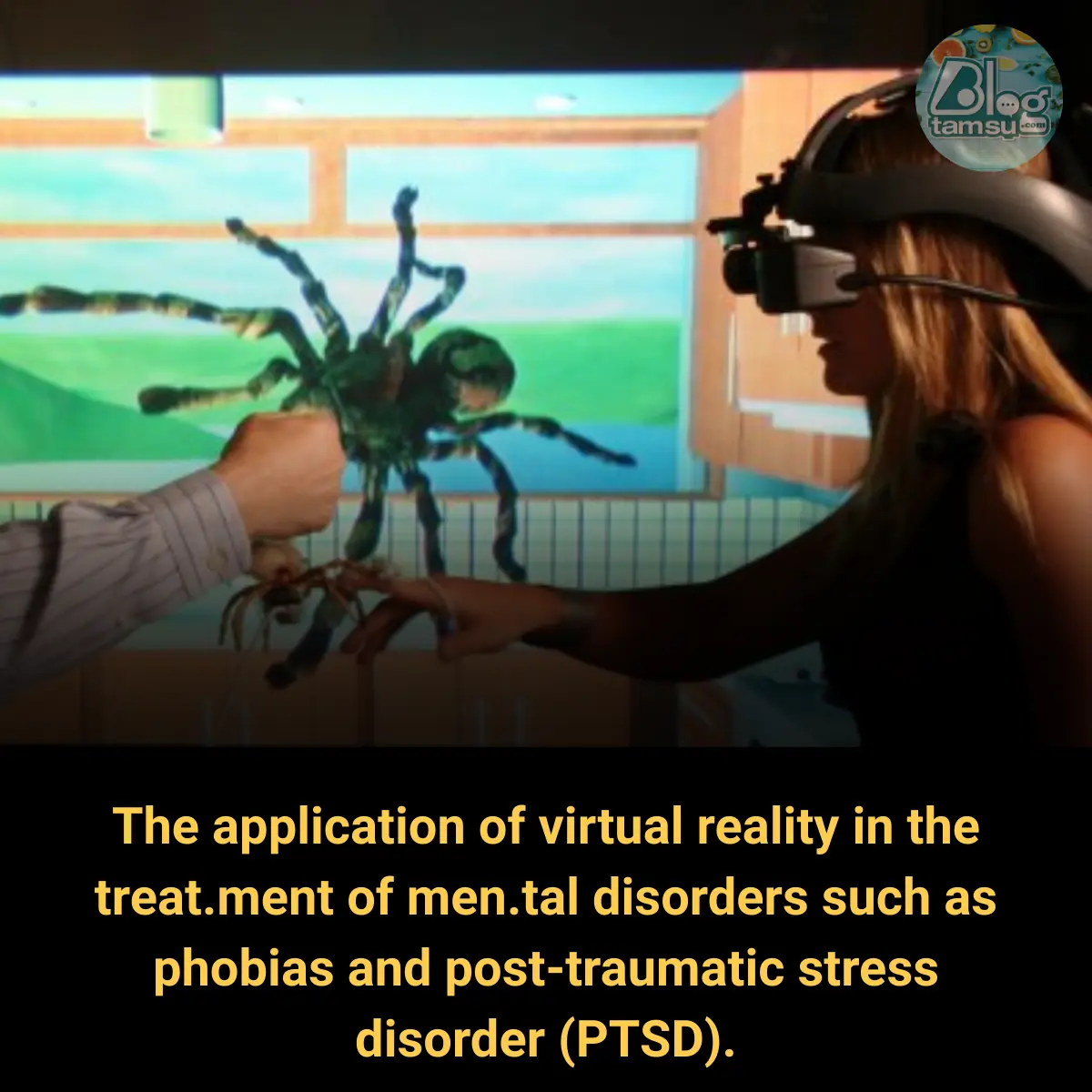
In conclusion, the application of virtual reality in treating mental disorders such as phobias and PTSD represents a major step toward the future of mental health care. By combining technology, psychology, and human expertise, VR has the potential to make treatment more effective, accessible, and compassionate. As research continues, virtual reality may soon become a standard component of mental health therapy worldwide.
Why dark chocolate is good for you: 7 proven benefits

A beginner’s guide to Pine Cone Syrup: Why it’s useful and how to make it at home
If You Notice a Rotten Fish Smell, Here’s What Your Body Might Be Telling You

Don’t Ignore These 3 Urine Changes — Your Kidneys Could Be at Risk

Why You’re More Gassy at Night (And What You Can Do)
Sleeping With… Could Affect You More Than You Think

Lung cancer is one of the leading causes of cancer-related deaths worldwide.

Are Bamboo Shoots Harmful in Large Amounts?
Itchy Ears? Beware of Juvenile Spring Eruption
Serious Health Clues Hidden in Your Nasal Symptoms

10 powerful health benefits of Dog Rose (Rosa canina) and the best ways to use it
Don’t ignore this unusual sign in your body - it may indicate late-stage nasopharyngeal can.cer

Is tilapia really good for you? Some facts might make you think twice
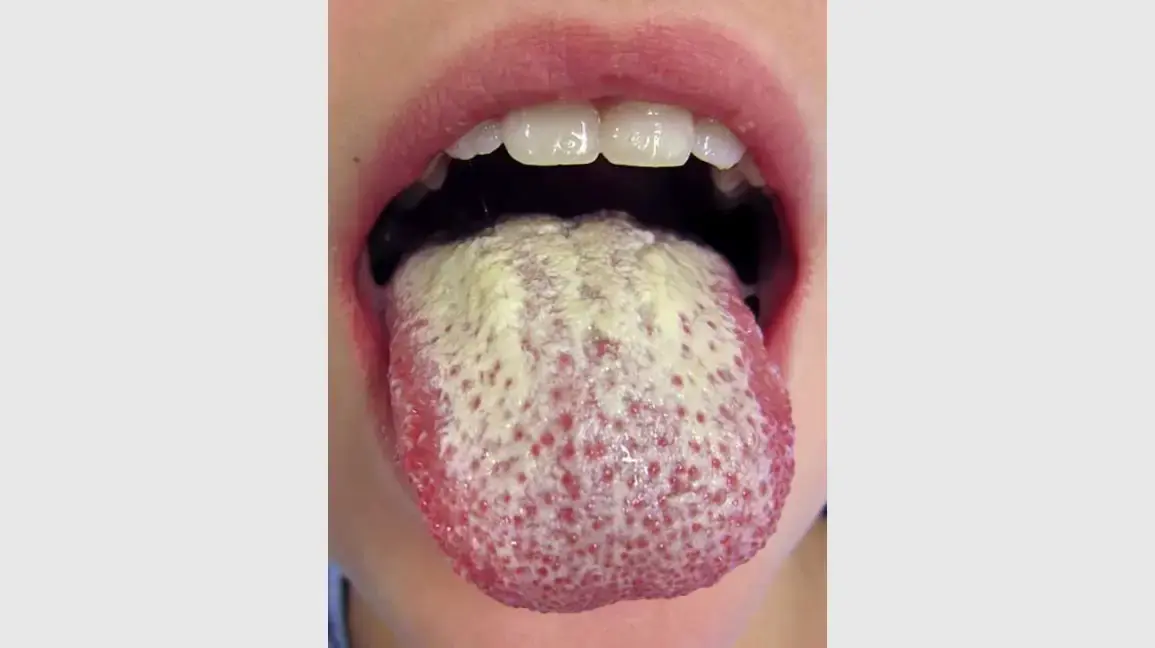
White Coating on Your Tongue? Here’s What Your Body Might Be Telling You

3 overlooked spousal habits that may put wives at greater risk for cer.vical can.cer - awareness matters
The 3-Hour Rule Before Bed: A Simple Habit for Better Blood Pressure and Blood Sugar
These 5 strange signs could be warning signals of dia.betes - don’t ignore them

Why People in Japan Sleep on the Floor and 5 Reasons to Give It a Try

7 Important Signs Your Body Is Crying Out for Help

Taro: The Underrated Superfood That Could Transform Your Energy, Digestion, and Overall Wellness
Why dark chocolate is good for you: 7 proven benefits
A beginner’s guide to Pine Cone Syrup: Why it’s useful and how to make it at home
If You Notice a Rotten Fish Smell, Here’s What Your Body Might Be Telling You
Don’t Ignore These 3 Urine Changes — Your Kidneys Could Be at Risk
Why You’re More Gassy at Night (And What You Can Do)
Sleeping With… Could Affect You More Than You Think
Lung cancer is one of the leading causes of cancer-related deaths worldwide.
Are Bamboo Shoots Harmful in Large Amounts?
Itchy Ears? Beware of Juvenile Spring Eruption

Simple ways to recognize venomous snakes and protect yourself in the wild
Serious Health Clues Hidden in Your Nasal Symptoms
10 powerful health benefits of Dog Rose (Rosa canina) and the best ways to use it
Don’t ignore this unusual sign in your body - it may indicate late-stage nasopharyngeal can.cer
Is tilapia really good for you? Some facts might make you think twice
White Coating on Your Tongue? Here’s What Your Body Might Be Telling You
3 overlooked spousal habits that may put wives at greater risk for cer.vical can.cer - awareness matters
The 3-Hour Rule Before Bed: A Simple Habit for Better Blood Pressure and Blood Sugar
These 5 strange signs could be warning signals of dia.betes - don’t ignore them
Why People in Japan Sleep on the Floor and 5 Reasons to Give It a Try
7 Important Signs Your Body Is Crying Out for Help