Sato had spent most of his life connected to the sea. Fishing was not merely his occupation; it was a tradition passed down through generations. He understood the coastline through years of observation, recognizing changes in the weather, the movement of currents, and the seasonal behavior of fish.
Yet after the tsunami, approaching the water became emotionally difficult.
His fishing equipment had been damaged or swept away. Several familiar coastal structures had vanished, and the harbor had suffered extensive destruction. Even when the sea appeared calm, Sato could not look at it without remembering the violent movement of water that had transformed his community.
For a long time, he questioned whether he should continue fishing. The work represented his identity, but it also reminded him of how vulnerable people could be when nature became unpredictable.
Eventually, Sato joined discussions with other fishermen and local recovery officials. They examined the condition of the harbor, reviewed safety procedures, and considered what equipment would be necessary before fishing operations could resume. The process was slow, and uncertainty remained.
When he finally returned to the water under safer conditions, it was not a triumphant moment. He moved carefully, checked his equipment repeatedly, and remained attentive to official warnings. His first trip was modest, producing far less than he would once have expected.
Nevertheless, it represented something important.
Sato realized that returning to the sea did not mean forgetting what had happened. It meant accepting that his relationship with the ocean would be different. He could respect its power while continuing to value the livelihood and traditions it had given his community.
His experience became an example for younger residents who were considering whether traditional industries could survive the disaster. Recovery would require new safety standards, better communication, and practical cooperation, but it did not necessarily mean abandoning the town's identity.
Chapter 9: Remembering Without Living in Fear
As months passed, Miyako began to hold gatherings to remember those who had died and recognize the people who had helped during the emergency. These events were emotional. Some residents spoke publicly about their experiences, while others preferred to remain quiet.
For many survivors, remembering was complicated. They wanted to honor lost family members, but they also needed to move forward. They understood that grief did not follow a fixed schedule. A person could feel hopeful one morning and overwhelmed by sadness the next.
Community leaders encouraged residents to preserve personal stories, photographs, and records of the disaster. These memories could help future generations understand not only the destruction but also the decisions that had saved lives.
The fictional town's recovery also highlighted the importance of reliable information. During a major emergency, rumors and inaccurate reports can create confusion. Residents need clear instructions from trusted authorities, accessible warning systems, and communication methods that remain useful when electricity or mobile networks are disrupted.
Preparedness became a shared responsibility. Families discussed evacuation plans, schools practiced emergency procedures, and community groups identified residents who might need assistance during a future evacuation, particularly older people and individuals with disabilities.
The disaster had changed Miyako, but it had also strengthened the community's determination to protect one another.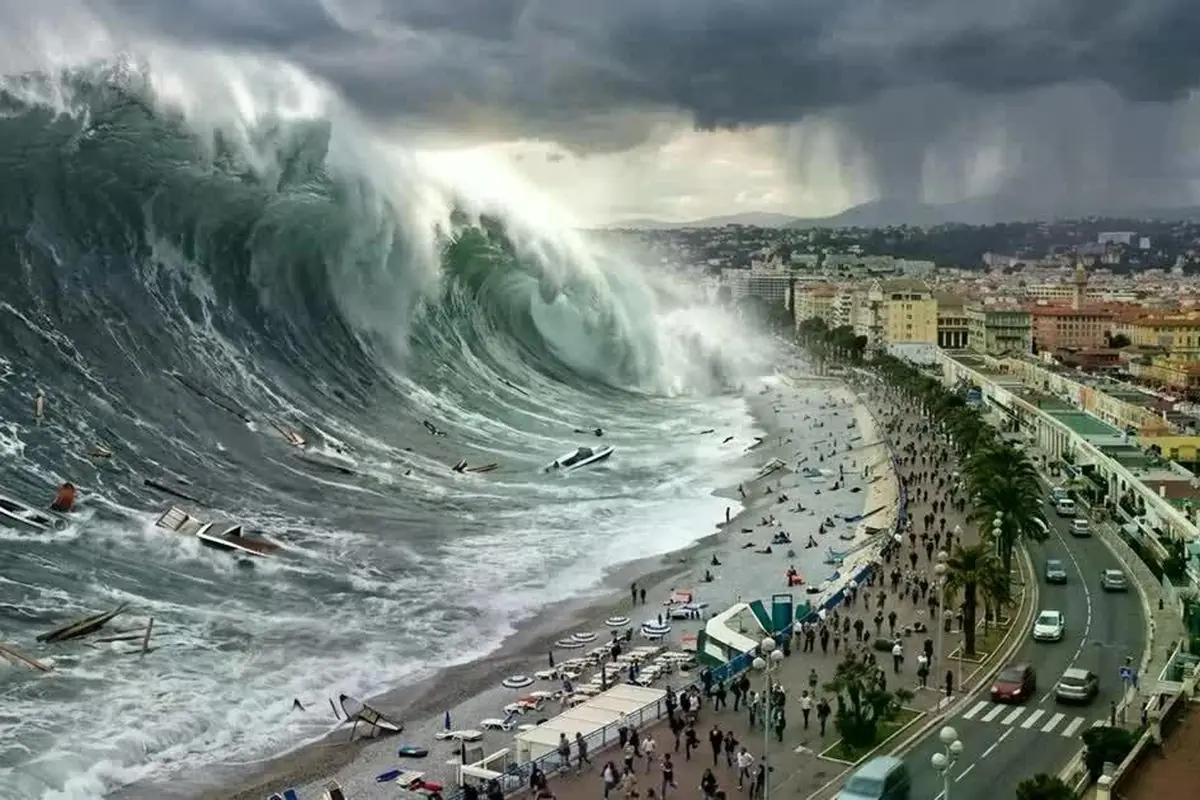
Chapter 10: A Future Built on Lessons Learned
One year after the fictional disaster, Miyako was still recovering. Not every road had been restored, not every business had reopened, and not every family had found permanent housing. Some residents had chosen to relocate, while others remained committed to rebuilding their lives in the community.
The coastline looked different, and the town's familiar rhythm had changed. Yet signs of renewal were beginning to appear. Children returned to classrooms, small businesses reopened, and neighbors gradually established new routines.
Hana visited a public gathering with her mother and listened as residents discussed the future. She noticed that the adults no longer spoke only about what had been destroyed. They also talked about safer construction, improved evacuation routes, stronger community networks, and the importance of teaching children how to respond to emergencies.
Keiko looked at her daughter and realized how much had changed. Hana was still young, but she understood that safety required preparation and cooperation. She also understood that rebuilding was not something that happened automatically. It depended on people making difficult decisions and supporting one another over time.
For Sato, the future remained connected to the sea. He continued working carefully, sharing his knowledge with younger fishermen and encouraging them to take warnings seriously. He knew that no community could completely control the forces of nature, but it could reduce its vulnerability through planning and awareness.
The story of Miyako was therefore not simply a story of destruction. It was a story about the people who faced uncertainty, endured loss, and gradually began again.
The fictional magnitude 9.1 earthquake and tsunami described in this account serve as a reminder of how quickly an ordinary morning can become a life-changing emergency. They also highlight why disaster education, early-warning systems, evacuation planning, and community support are essential.
The town could not recover everything it had lost. Some homes would never return, some familiar streets would remain changed, and some absences would always be felt. But the people of Miyako carried forward something that the disaster could not erase: their determination to protect one another and build a safer future.
And as another morning arrived over the coastline, the residents began their day with a different understanding of what mattered most. They knew that ordinary moments were precious, that preparation could save lives, and that even after devastating loss, a community could find the strength to begin again.