Snake Bite Emergency: The First Few Minutes Could Make a Critical Difference
A snake bite can happen unexpectedly while hiking, gardening, farming, or even walking near your home. While not every snake is venomous, it is often impossible to know immediately whether a bite is dangerous. That's why health experts recommend treating every snake bite as a medical emergency until proven otherwise.
Knowing what to do—and what not to do—during the first few minutes after a bite may help reduce complications and improve the chances of a full recovery.
Why Every Snake Bite Should Be Taken Seriously
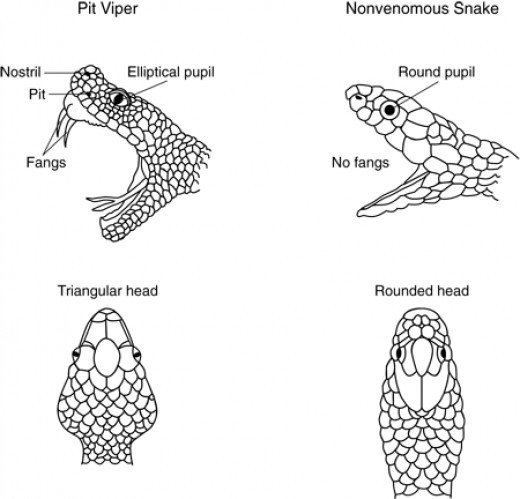
Many people assume that if pain is mild or symptoms are absent, there is no danger. However, venom from certain snakes can take time to produce noticeable effects. In some cases, symptoms may not appear for several hours.
Venomous snake bites can affect the body in different ways. Some toxins attack the nervous system, leading to muscle weakness, drooping eyelids, difficulty swallowing, or breathing problems. Others interfere with blood clotting, causing unusual bleeding or bruising. Certain venoms can also damage tissue around the bite site, leading to severe swelling and pain.
Because it is difficult to identify a snake accurately during a stressful situation, experts advise seeking medical attention immediately after any snake bite.
Step 1: Move Away From the Snake
The first priority is safety.
Many victims suffer additional bites because they attempt to catch, kill, or photograph the snake. Instead, calmly move away from the area and put a safe distance between yourself and the animal.
Do not attempt to handle the snake, even if it appears injured or dead.
Step 2: Stay as Calm as Possible
Panic can increase heart rate and blood circulation, which may allow venom to spread more quickly through the body.
Although remaining calm after a snake bite is easier said than done, slow breathing and limiting unnecessary movement can help. Focus on staying still while waiting for assistance.
Step 3: Call Emergency Services Immediately
Prompt medical evaluation is essential.
When contacting emergency services, try to provide:
- Your location
- The time the bite occurred
- The victim's age
- Any symptoms that have developed
The sooner healthcare professionals are informed, the faster appropriate treatment can begin.
Step 4: Limit Movement of the Affected Limb
Movement may accelerate the spread of venom.
If the bite is on an arm or leg, keep the limb as still as possible. Support it comfortably and avoid unnecessary walking or physical activity. Healthcare providers often recommend keeping the affected area near or slightly below heart level until medical help arrives.
Step 5: Remove Tight Items
Swelling can develop rapidly after a snake bite.
Remove:
- Rings
- Bracelets
- Watches
- Tight clothing
- Shoes if the bite is on the foot or ankle
Removing these items early can help prevent circulation problems if swelling becomes severe.
Step 6: Monitor Symptoms Carefully
Watch for signs that may indicate a serious reaction.
Local Symptoms
- Pain
- Swelling
- Redness
- Bruising
General Symptoms
- Dizziness
- Nausea
- Weakness
- Excessive sweating
Emergency Symptoms
- Difficulty breathing
- Confusion
- Rapid swelling
- Severe bleeding
- Loss of consciousness
If symptoms worsen, inform emergency personnel immediately.
What NOT to Do After a Snake Bite
Many traditional remedies have been passed down for generations, but some can actually increase the risk of complications.
Do Not Cut the Bite
One common myth suggests cutting the wound to remove venom. Medical experts strongly advise against this practice because it can cause additional tissue damage, bleeding, and infection.
Do Not Attempt to Suck Out the Venom
Movies and television often portray people sucking venom from a bite wound. Research has shown this method is ineffective and may introduce bacteria into the wound.
Do Not Apply Ice
Applying ice may seem logical, but it can reduce blood flow and potentially worsen tissue injury.
Do Not Use a Tourniquet
Tourniquets can restrict circulation and increase the risk of nerve damage, tissue death, and other serious complications.
Do Not Drink Alcohol
Alcohol can interfere with judgment and may complicate medical treatment. It should be avoided after a snake bite.
Avoid Home Remedies
Herbal treatments, chemical applications, burning the wound, or other folk remedies are not supported by scientific evidence and may delay proper care.
Should You Identify the Snake?

If it can be done safely, noting the snake's appearance may help healthcare professionals.
Try to remember:
- Color
- Size
- Distinctive markings
A photograph taken from a safe distance may also be useful. However, never risk another bite by approaching, chasing, or attempting to capture the snake.
What Happens at the Hospital?
Medical professionals will evaluate the severity of the bite and monitor for signs of envenomation.
Treatment may include:
- Observation and monitoring
- Blood tests
- Pain management
- Intravenous fluids
- Wound care
- Respiratory support if needed
- Antivenom in appropriate cases
Antivenom is specifically designed to neutralize venom and can be lifesaving when administered promptly.
How to Reduce Your Risk of Snake Bites
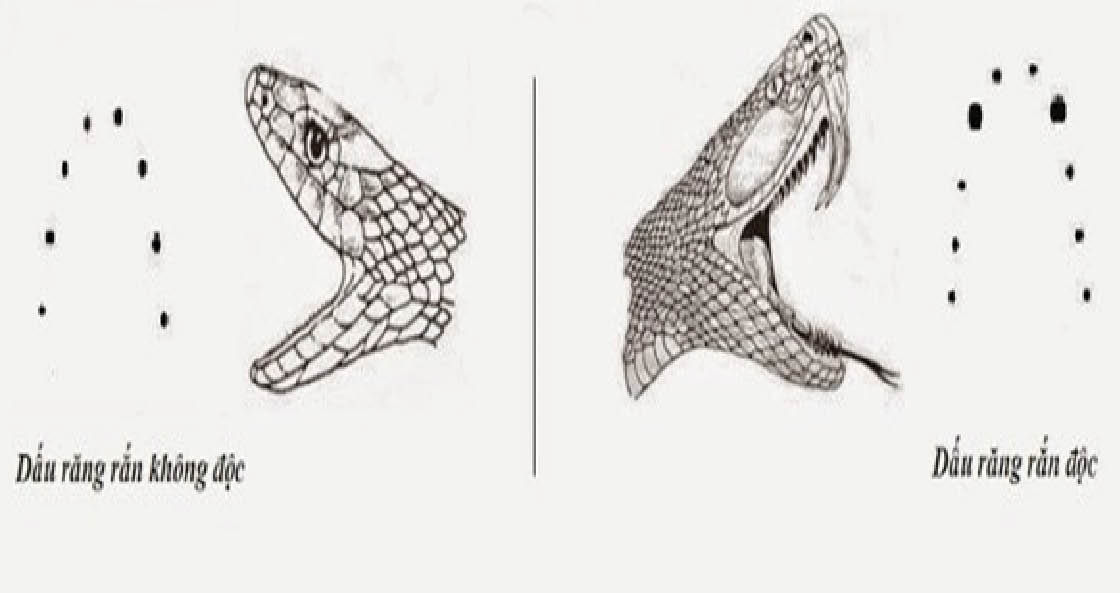
Prevention is always the best defense.
Experts recommend:
- Wearing boots and protective clothing outdoors
- Staying on clear paths when hiking
- Using a flashlight at night
- Avoiding tall grass and dense vegetation
- Checking woodpiles, rocks, and hidden spaces before reaching into them
The Bottom Line
A snake bite should never be ignored. The most important actions are to move away from the snake, remain calm, limit movement, remove tight items, and seek emergency medical care as quickly as possible.
Equally important is knowing what not to do. Cutting the wound, sucking out venom, applying ice, using a tourniquet, or relying on home remedies can make the situation worse.
Fast, appropriate medical treatment remains the safest and most effective response. Understanding these simple first-aid steps could make a critical difference when every minute counts.