Eating Cloves Every Day May Benefit Your Body — But Doctors Warn About One Important Mistake
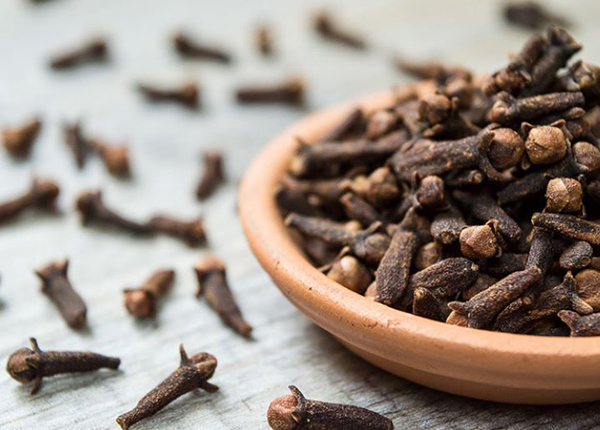
Cloves are a small spice with a strong aroma and a long history in traditional medicine and cooking. Rich in antioxidants and plant compounds, cloves have been studied for their potential health benefits, especially when consumed in moderation.
In recent years, more people have started adding cloves to tea, warm water, or daily meals. But according to doctors and nutrition experts, there’s one important thing many people get wrong: consuming too much.
Here’s what science says about the possible benefits of cloves — and the mistake you should avoid.
What Are Cloves?
Cloves are dried flower buds from the clove tree, commonly used in cooking and herbal remedies. They contain compounds such as:
- Eugenol
- Antioxidants
- Fiber
- Manganese
Eugenol is the main active compound in cloves and is known for its strong antioxidant and anti-inflammatory properties.
According to Healthline, cloves rank among the highest antioxidant-rich spices studied by researchers.
1. Cloves May Help Support Digestion
Some people use cloves to help reduce bloating, gas, and digestive discomfort. Traditional practices have long included cloves in remedies for stomach issues.
Experts say cloves may help stimulate digestive enzymes, though more human studies are still needed.
2. They Contain Powerful Antioxidants
Antioxidants help protect cells from oxidative stress, which is linked to aging and chronic disease.
Research suggests cloves contain especially high levels of antioxidant compounds compared to many other spices.
3. Cloves May Help Support Oral Health
Because of their natural antibacterial properties, cloves have historically been used for oral care. Clove oil is sometimes used in dental products and temporary tooth pain remedies.
According to Cleveland Clinic, eugenol found in cloves has numbing and antimicrobial properties.
4. They May Help Support Blood Sugar Balance
Some early studies suggest compounds in cloves may help improve insulin function and blood sugar regulation. However, doctors emphasize that cloves are not a replacement for diabetes treatment or medication.
A healthy diet and medical guidance remain essential.
5. Cloves May Have Anti-Inflammatory Properties
Inflammation plays a role in many chronic diseases. Some laboratory studies suggest clove compounds may help reduce inflammation in the body.
Still, experts say more clinical research is needed before strong conclusions can be made.
The Dangerous Mistake: Consuming Too Much
Doctors warn that excessive clove consumption can cause problems — especially concentrated clove oil.
Too much clove or clove oil may:
- Irritate the digestive system
- Cause mouth or throat irritation
- Affect blood clotting
- Interact with certain medications
- Lead to liver problems in large amounts
Children are especially sensitive to concentrated clove oil.
According to WebMD and Mount Sinai, large amounts of clove oil can be toxic and should be used carefully.
Who Should Be Especially Careful?

Doctors say people should speak with a healthcare professional before consuming cloves regularly if they:
- Take blood-thinning medication
- Have liver disease
- Are pregnant or breastfeeding
- Have bleeding disorders
- Plan to undergo surgery
How Much Is Generally Considered Safe?
For most healthy adults, small culinary amounts used in food or tea are generally considered safe.
However, experts do not recommend excessive daily intake or large amounts of concentrated clove oil without medical supervision.
Final Thoughts
Cloves may offer several potential health benefits thanks to their antioxidants and natural compounds. They may support digestion, oral health, and overall wellness when used moderately as part of a balanced diet.
But more is not always better.
Doctors stress that the safest approach is moderation — because overusing cloves or clove oil may lead to unwanted side effects.
Sources:
- Healthline
- Cleveland Clinic
- WebMD
- Mount Sinai