Chapter 1: Vanished Into Thin Air
At exactly 7:45 a.m., I stood at the end of our gravel driveway, sipping lukewarm coffee and waving goodbye to my nine-year-old twin daughters, Jeniffer and Mary, as they climbed onto Bus 14. Like every other morning, they were laughing and bickering cheerfully over who had claimed the coveted window seat first.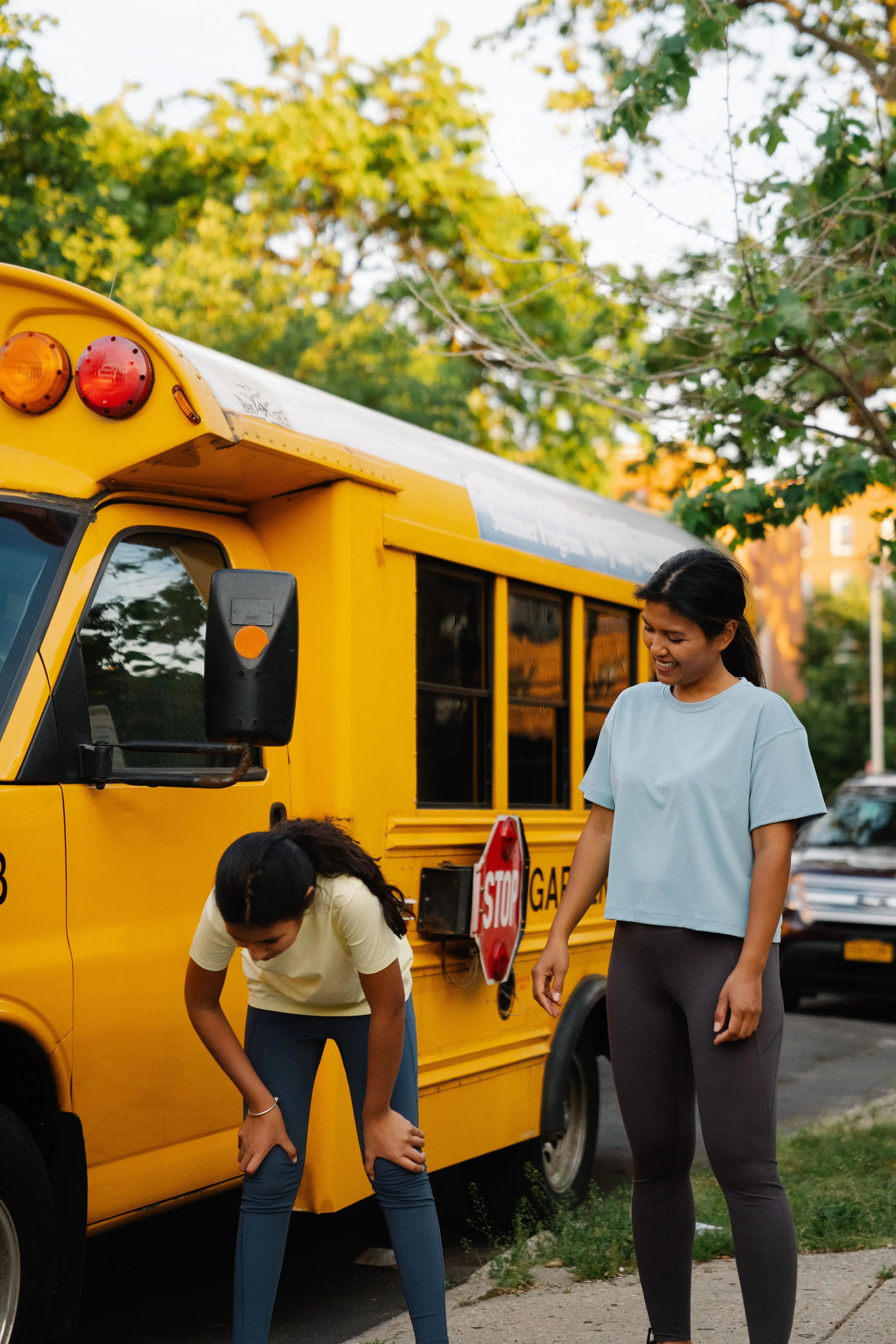
"I sat there yesterday," Mary complained, adjusting her bright purple backpack.
"Which means it’s my turn again today," Jeniffer shot back with absolute conviction.
"That isn't even how turns work!"
"IT IS IN TWIN LAW."
Arthur, the bus driver, leaned across the steering wheel toward the open folding doors, a faint, amused crinkle forming at the corners of his weathered eyes. "Plenty of windows to go around, girls. Your mother already has enough on her plate without having to settle international disputes before breakfast."
I smiled warmly at him. Arthur had driven our rural valley route for six years without a single incident. He was a quiet,broad-shouldered man of few words, fiercely dependable, and meticulous about safety—he never once pulled away from the curb in the afternoon until he saw every single child unlock their front door and step safely inside.
"Be good," I called out as the hydraulic doors hissed shut. Mary offered a polite wave, while Jeniffer pressed both palms and her nose flat against the glass, making a ridiculous face that stayed etched in my mind as the big yellow bus rumbled down the country road, carrying thirteen neighborhood children toward their usual twenty-minute commute. I stood watching until the tail lights disappeared around the bend lined with pine trees.
By 8:30 a.m., the house phone rang. It was the elementary school secretary, her voice tight with an edge of hesitation."Ms. Emmy? Good morning. I’m just calling to check if Jeniffer and Mary were kept home sick today?"
A sudden, cold knot tightened in my stomach. "No. They got on Bus 14 at seven-forty-five like always."
There was a long, heavy pause on the other end of the line. "Bus 14 hasn't arrived yet."
I glanced up at the kitchen wall clock. Even with farm tractors slowing traffic, the route never took more than twenty-five minutes. "Maybe Arthur had engine trouble along the creek road."
"We’ve been trying to reach him on the dispatch radio and his cell phone for twenty minutes," the secretary replied, her voice dropping an octave. "There's no answer."
I grabbed my car keys off the hook, my heart already hammering against my ribs. "Where was the bus last spotted?"
"That's just it, Ms. Emmy. We're trying to figure that out right now."
By 9:00 a.m., every single parent from Arthur's valley route was standing in the school parking lot, pacing beside idling cars with pale, frantic faces. Nobody knew anything. Dispatch confirmed that Bus 14 had picked up its final student at 8:03 a.m. and should have merged onto the main county highway seven minutes later. Yet it never appeared on the highway traffic cameras, nor did it pass the school's entrance gate. There were no 911 calls, no reports of a collision, no shattered glass, and no tire tracks veering off the asphalt into the ditches. In broad daylight, on a straight stretch of familiar country road, a forty-foot yellow school bus carrying thirteen children and a veteran driver had vanished without leaving a single trace—and when the county police chief arrived moments later, his strange reaction told me he already suspected something he wasn't sharing with any of us.
Chapter 2: The Wrong Direction
By 10:00 a.m., panic had swept across the entire county like wildfire. Red and blue emergency lights flashed along every major intersection, deputies barricaded rural side roads, and the rhythmic thumping of search helicopters echoed low over the dense pine forests. While rescue teams combed the rugged mountain ridges, we parents were herded into the echoing elementary school gymnasium, huddling together on wooden bleachers and drowning in helpless tears.
Police Chief Miller stood at the front of the gym beside an easel holding a large county map. He was a broad, imposing man in his early sixties with silver hair at his temples and a deep, measured baritone that people naturally trusted because he rarely raised it. That morning, however, his voice trembled slightly as he addressed the room.
"We are treating this disappearance as a coordinated abduction," Chief Miller announced, tapping a thick finger against the upper half of the map. "Based on the timeline, we believe the bus may have been intercepted and forced onto one of the old logging roads north of the highway."
A mother sitting beside me gasped aloud, pressing both hands over her mouth.
"Abduction?" I stood up, my voice cutting sharply through the murmured sobs in the gym. "What physical evidence do you have to support that?"