This creates an interesting question: If America produces so much pork, why doesn't it dominate the average American dinner table?
The answer is more complicated than it first appears. Americans do eat pork, and the country is among the world's major pork-consuming nations. Bacon, ham, pork chops, ribs, and sausages are familiar foods in American households. However, pork competes with beef and chicken in a market shaped by culture, convenience, prices, agricultural economics, and changing consumer preferences.
To understand this apparent contradiction, we need to look beyond the pig farms themselves. We need to explore how the American food system developed, why chicken became so popular, how pork production became a global business, and why the meat raised in America's heartland does not always end up on American plates.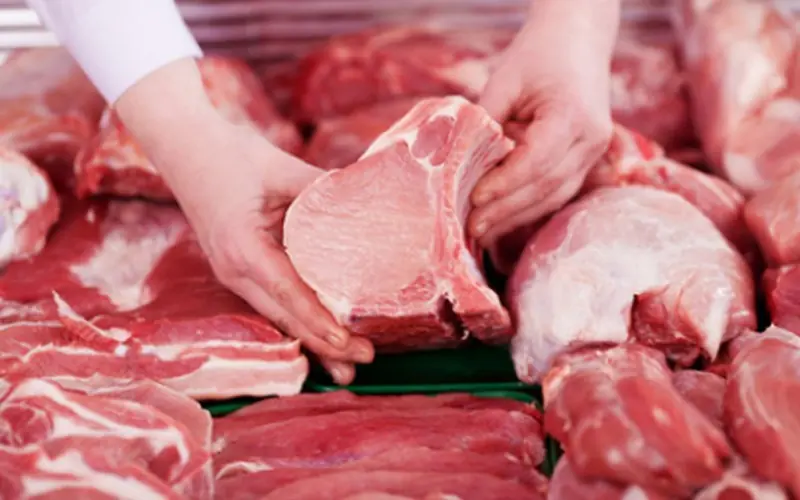
CHAPTER 1: THE ENORMOUS SCALE OF AMERICA'S PORK INDUSTRY
Imagine driving through the agricultural heartland of the United States. The landscape changes from crowded cities and highways to vast stretches of farmland. Cornfields extend toward the horizon, grain elevators rise above small towns, and large agricultural facilities operate far from the busy centers of American life.
In states such as Iowa, Minnesota, North Carolina, and Illinois, pig farming is an important part of the agricultural economy. These regions have developed extensive networks connecting farmers, feed suppliers, veterinarians, transport companies, meat processors, and international buyers.
The scale of the industry is remarkable.
The United States is one of the world's largest producers of pork, although China remains the leading country in overall pig production and pork consumption. American producers operate within a highly organized agricultural system designed to raise pigs efficiently and deliver meat to domestic and international markets.
The industry is not simply about raising animals. It is an enormous supply chain.
From cornfields to pork products
One of the reasons American pork production has expanded so significantly is the country's agricultural strength, particularly its ability to produce large quantities of corn and soybeans.
These crops are major ingredients in commercial pig feed. Rather than relying entirely on pasture or naturally available food, modern pig farming uses carefully formulated diets designed to support growth and maintain animal health.
Farmers and nutrition specialists calculate the appropriate balance of energy, protein, vitamins, and minerals. The objective is to provide pigs with consistent nutrition throughout different stages of development.
This system allows large farms to raise substantial numbers of animals with predictable production schedules.
The relationship between crop farming and pig farming is especially important. Corn and soybean producers supply feed, while pig farms create demand for those crops. Meat processors then purchase mature animals and transform them into products ranging from fresh pork cuts to bacon, ham, sausages, and processed foods.
In many agricultural communities, these activities support thousands of jobs, directly and indirectly.
Modern pig farms are highly specialized
The image of a traditional farmer raising a few pigs behind a farmhouse does not represent the entire modern American industry.
Many large operations are divided into specialized stages. Some facilities focus on breeding, others on farrowing and raising piglets, and others on growing pigs until they reach market weight.
Specialization allows producers to manage animals according to their age, nutritional requirements, and health needs.
Technology also plays a major role. Modern facilities may use automated feeding equipment, temperature controls, ventilation systems, monitoring devices, and computerized records.
These systems help farmers manage large populations of animals and identify potential problems more quickly.
However, industrial-scale production also raises important questions about animal welfare, environmental effects, disease management, and the concentration of ownership in the agricultural sector. These issues remain subjects of debate among farmers, researchers, policymakers, and consumers.
Producing more does not mean consuming everything at home
Here is where the apparent contradiction begins.
A country can produce far more of a particular food than its population consumes because agricultural production is connected to international trade.
American pork producers sell to domestic supermarkets, restaurants, food manufacturers, and export customers. When foreign markets offer strong demand, exports become an important part of the business.
The United States is a major pork-exporting country. Its products reach markets in Asia, Mexico, and other regions, although export destinations and volumes change from year to year.
This means that a significant portion of the industry's success depends on consumers who live thousands of miles away.
And that leads to an important question: If the United States can produce so much pork, what makes foreign buyers so valuable to American farmers?
CHAPTER 2: AMERICANS ACTUALLY EAT MORE PORK THAN MANY PEOPLE REALIZE
The idea that Americans barely eat pork is misleading.