Health perceptions influence purchasing decisions
Another important factor is the way consumers think about different meats.
Chicken breast without skin is widely associated with lean protein. Fitness communities, diet plans, and nutrition marketing have helped reinforce its reputation.
Pork has a more complicated image.
Some cuts, such as pork tenderloin and certain loin chops, can be relatively lean. Other products, including bacon, some sausages, and fatty cuts, contain more saturated fat and sodium.
Consumers may judge pork by its most familiar processed forms rather than by its full range of cuts.
This can create a perception that pork is automatically unhealthy, even though nutritional differences between cuts can be significant.
The preparation method also matters. Deep-fried chicken and heavily processed chicken products may be less nutritious than a simply prepared lean pork cut.
In other words, the comparison is not as simple as chicken being healthy and pork being unhealthy.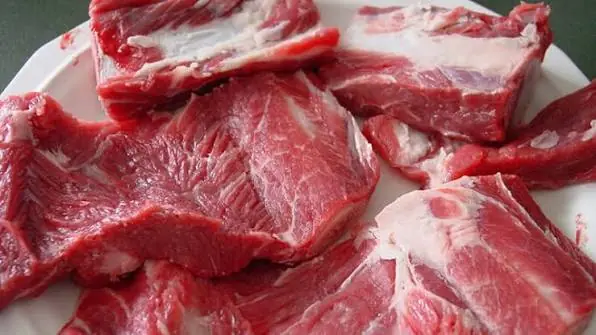
Restaurants helped establish chicken as an everyday option
Fast-food chains and casual dining restaurants have played a major role in popularizing chicken.
Chicken sandwiches, fried chicken meals, grilled chicken wraps, and chicken salads are widely available. These products can be adapted to different flavors and price points.
Pork is also common in restaurant food, especially in bacon toppings, breakfast dishes, barbecue, and sandwiches. However, chicken's versatility has allowed it to become a central product across many types of restaurants.
It can be positioned as a quick lunch, a family dinner, a fitness-friendly meal, or a snack.
Price and supply also matter
Chicken production has become highly efficient, and chicken is often competitively priced compared with other meats.
Prices fluctuate with feed costs, labor, transportation, disease outbreaks, and market conditions. Still, poultry's production system has helped make chicken an affordable choice for many consumers.
When families are managing grocery budgets, the price per pound can strongly influence purchasing decisions.
This does not mean pork is always more expensive. In fact, some pork cuts can be cheaper than beef or chicken. But the relative price of each product changes over time and varies by region.
Chicken's combination of convenience, price, and health perception has helped it secure a prominent place in American diets.
And as chicken became more popular, pork producers faced a growing challenge: how could they persuade consumers to choose pork more often?
CHAPTER 4: THE SURPRISING ROLE OF INTERNATIONAL TRADE
One of the most important reasons America produces so much pork is that its industry does not depend exclusively on American consumers.
The United States is a major player in global meat trade. Its producers sell pork to international buyers who may have different food preferences, cooking traditions, and economic needs.
This creates a business model in which American farms can remain highly productive even when domestic consumers choose other proteins.
Why other countries buy American pork
International demand for pork depends on many factors, including population size, domestic production capacity, prices, trade agreements, food preferences, and disease-related restrictions.
Some countries consume large quantities of pork but cannot produce enough domestically to satisfy their demand.
Others import particular cuts because their domestic markets value those products or because imported pork is competitively priced.
The United States has developed the infrastructure needed to serve these customers. Its large farms, processing facilities, transportation networks, and export businesses make it possible to ship substantial quantities of meat abroad.
Different markets want different cuts
An important detail in the pork trade is that consumers around the world do not always prefer the same parts of the animal.
A cut that sells well in one country may be less popular in another.
For example, American consumers may have strong demand for bacon, pork chops, ribs, and certain fresh cuts. International customers may prefer other cuts or processed products according to local cooking traditions.
This creates an opportunity for exporters.
Instead of depending on domestic demand for every part of the pig, processors can sell different cuts to different markets.
This helps improve the commercial value of the entire animal.
The principle is straightforward: a global market gives producers more opportunities to sell products that might be less popular at home.
China and the global pork market
China is particularly important to understanding the global pork industry.
It is the world's largest producer and consumer of pork. Pork has a major role in Chinese food culture, and demand is enormous because of the country's population and established culinary traditions.
However, China's production and imports fluctuate.
One major event that affected the global pork market was African swine fever, which spread through parts of Asia beginning in 2018. The disease caused substantial losses in pig populations, especially in China, and disrupted pork production and trade.
During periods of reduced domestic supply, China increased imports from several countries, including the United States.
These events demonstrated how closely connected national pork industries have become.
A disease outbreak thousands of miles away can influence prices, export volumes, farm income, and consumer costs in another country.
However, import demand is not constant. As domestic production changes and trade relationships evolve, the amount of pork purchased from the United States can rise or fall.