Environmental pressure on large-scale farming
Modern pig production generates significant quantities of manure, which must be managed carefully.
When properly handled, manure can be used as fertilizer, returning nutrients to agricultural land. However, poor storage or application practices can contribute to water pollution, nutrient runoff, and air-quality problems.
Large concentrations of livestock can create additional environmental challenges for nearby communities.
Producers and researchers are exploring ways to improve manure management, reduce emissions, recover nutrients, and use resources more efficiently.
These changes are important because environmental performance increasingly influences public opinion, regulatory decisions, and the long-term sustainability of agricultural businesses.
Animal welfare remains an important issue
Industrial pig farming has also attracted scrutiny over housing conditions, space, transportation, and the treatment of animals.
Consumers, advocacy groups, veterinarians, and policymakers continue to debate what standards should apply to modern production systems.
Some farms have adopted changes in housing and management practices, while others face criticism over the conditions in which animals are raised.
The industry must balance productivity, animal health, economic viability, and public expectations.
There is no single solution that applies to every farm, but transparency and credible welfare standards are likely to remain important.
Disease prevention is essential
Pig diseases can have enormous economic consequences.
African swine fever, for example, has caused major disruption in several regions of the world. It does not infect humans, but it can be devastating to pig populations.
Other animal diseases can also affect production, trade, and farm profitability.
American producers invest in veterinary care, biosecurity, monitoring, and disease-prevention measures to reduce these risks.
International trade adds another layer of complexity because importing countries may impose restrictions when disease outbreaks occur.
A single outbreak can disrupt the movement of animals and meat across borders, affecting farmers and consumers alike.
Technology may reshape pig farming
Automation and data analysis are becoming increasingly important in livestock production.
Sensors can help monitor temperature, ventilation, feed consumption, and animal activity. Digital records can help farmers track growth and identify unusual patterns.
Artificial intelligence and computer vision may also support early detection of health or welfare problems.
These technologies do not eliminate the need for skilled farmers and veterinarians. Instead, they can provide additional information that helps people make better decisions.
The goal is to improve efficiency while maintaining animal health and product quality.
Will Americans eat more pork in the future?
That remains uncertain.
Pork has several advantages. It is versatile, available in many cuts, and can be relatively affordable compared with some alternatives. It also has a strong presence in American food traditions.
However, chicken remains a powerful competitor. Beef continues to hold cultural importance, while plant-based products and changing dietary preferences add further pressure.
For pork producers, the future may depend partly on how effectively they communicate the differences between fresh pork cuts and processed products.
Consumers may be more interested in leaner cuts, convenient cooking options, transparent production practices, and products that fit their nutritional priorities.
The industry may also need to respond to environmental and animal welfare concerns if it wants to maintain public trust.
The real answer behind America's pork paradox
So, why does America raise so many pigs if pork does not seem to dominate American meals?
The premise is only partly correct.
Americans do eat pork in substantial quantities. Bacon, ham, ribs, sausages, pork chops, and other products remain important parts of the country's food culture.
But the United States is also a major exporter. Its pork industry is built to serve both domestic and international customers. The country's agricultural strength, especially its corn and soybean production, supports a large and efficient supply chain.
Meanwhile, chicken has become an everyday favorite because of its versatility, convenience, competitive pricing, and reputation as a lean protein. Beef retains a powerful cultural position, and some consumers limit or avoid pork for religious, health, environmental, or personal reasons.
The result is not a country that raises pigs but refuses to eat them. It is a country with a massive pork industry operating in a competitive and increasingly global food market.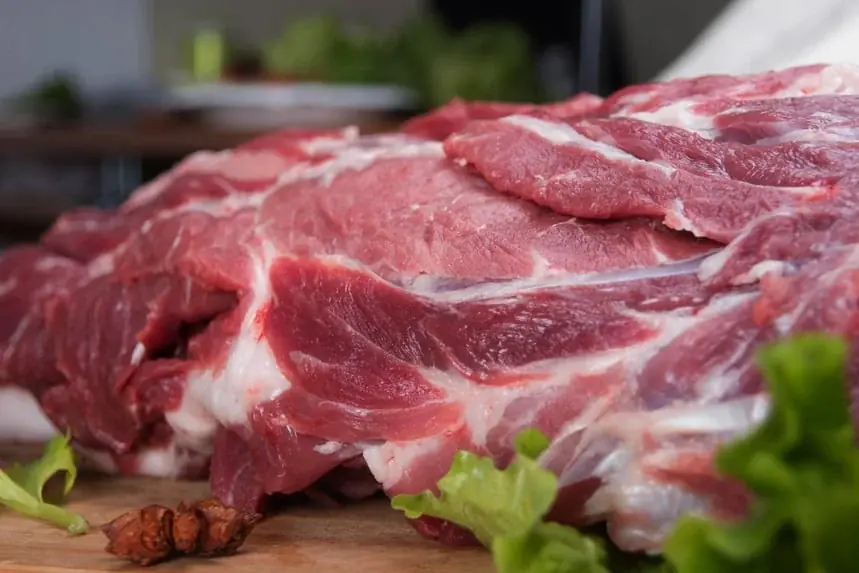
FINAL THOUGHTS
The story of American pork is much bigger than the number of pigs raised on farms.
It is a story about agriculture, technology, international trade, consumer behavior, and the changing meaning of food in modern society.
A pig raised in Iowa may eventually become bacon served at an American breakfast table, ribs at a Southern barbecue restaurant, or a pork product shipped to a customer overseas. Its destination depends not only on where it was raised, but also on what consumers want and what international markets are willing to buy.
America's pork industry does not need every American to choose pork at every meal. It operates on a much larger scale, connecting farms and food businesses to customers around the world.
And perhaps that is the most surprising part of the story: the United States can remain one of the world's largest pork producers not because Americans eat nothing but pork, but because modern agriculture has turned pork production into a global business.