Recently, fresh dates have suddenly “painted many markets yellow.” The widespread appearance of this fruit has also sparked a new trend surrounding the experience of eating dates without getting an astringent taste. Many people insist that when eating fresh dates, “biting lengthwise tastes sweet, while biting crosswise tastes sharply astringent.”
According to information from Kinh tế và Đô thị newspaper, agricultural experts explain that the phenomenon of “sweet when bitten lengthwise, astringent when bitten crosswise” comes from the fruit’s fiber structure and sap content. When biting along the length of the fruit, the teeth mainly contact the flesh, which is rich in natural sugars, making the refreshing sweetness more noticeable. In contrast, biting across the fruit exposes more fibers and the resin layer surrounding the seed — areas containing high levels of tannins, compounds responsible for the astringent taste commonly found in unripe persimmons or banana peels. This unique difference creates an interesting contrast in flavor experience, making fresh dates one of the rare fruits with such a distinctive characteristic.
Dates – the “Enemy” of Cancer and Diabetes
Dates are among the oldest cultivated fruits in human history, originating from the Middle East. Today, they are widely grown in the Mediterranean region, the United States, Mexico, and have also been successfully cultivated in several parts of Vietnam such as Huế and Đồng Tháp.
What makes dates remarkable is their impressive nutritional profile. According to Healthline, 100 grams of dried dates provide around 277 kcal, 75 grams of carbohydrates, 7 grams of fiber, 2 grams of protein, along with valuable minerals such as potassium (15% DV), magnesium (13% DV), copper (40% DV), manganese (13% DV), iron (5% DV), and vitamin B6 (15% DV).
Thanks to their high fiber content, dates help slow down sugar absorption, preventing sudden spikes in blood sugar after meals. Combined with their rich antioxidant content, dates may help stabilize blood sugar levels when consumed in moderation. This characteristic makes dates a beneficial option for people who need to manage blood glucose levels, especially individuals with diabetes.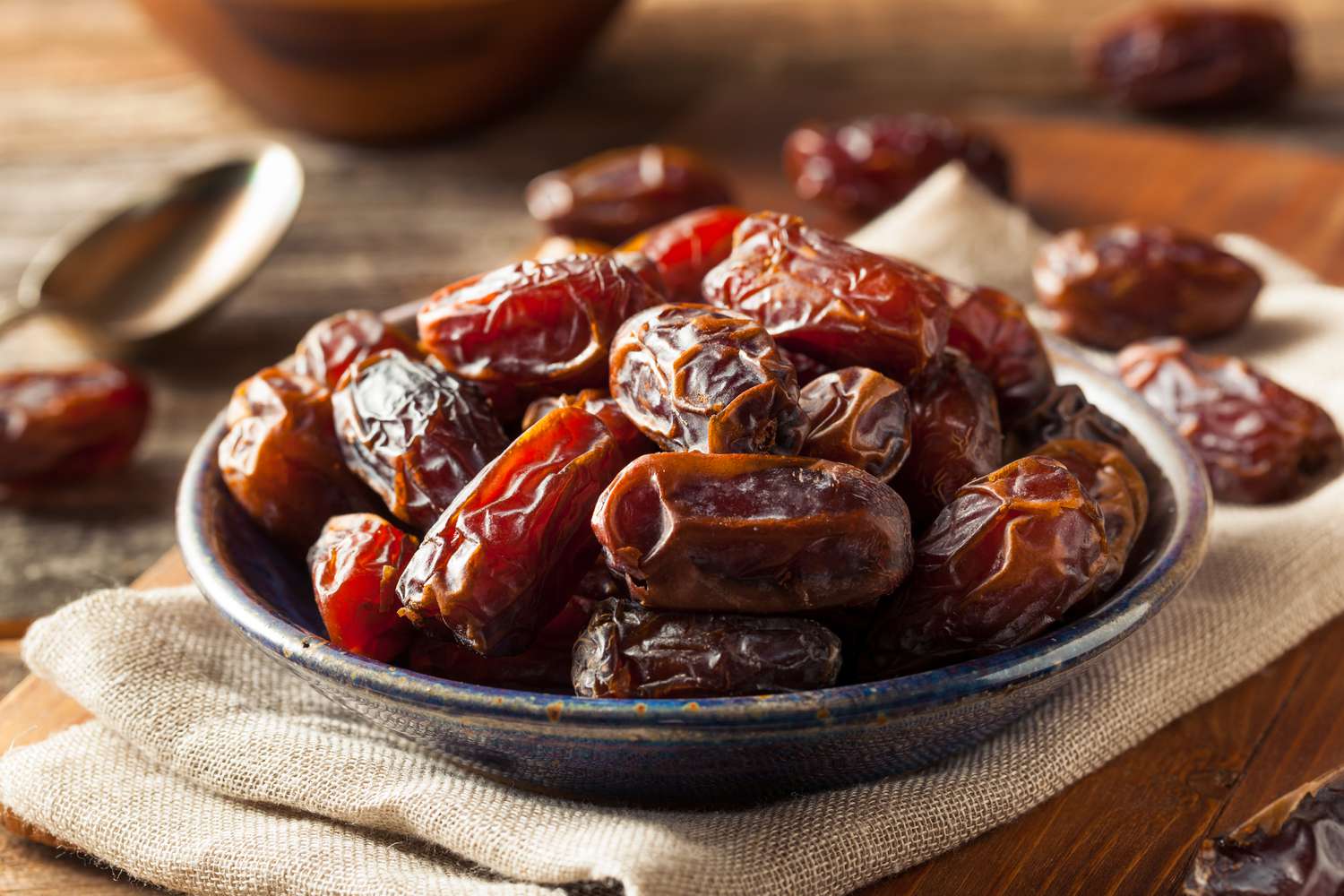
Compared to other dried fruits such as figs or prunes, dates contain significantly higher levels of antioxidants. The antioxidants found in dates mainly belong to three groups:
- Flavonoids: Help reduce inflammation and have been studied for their potential to lower the risk of diabetes, Alzheimer’s disease, and certain cancers.
- Carotenoids: Support cardiovascular health and reduce the risk of eye diseases.
- Phenolic acids: Possess strong anti-inflammatory properties, helping protect the heart and prevent cancer.
Some animal studies have also shown that beta D-glucan compounds in dates may have anti-tumor properties and help inhibit cancer formation. Selenium found in dates may also contribute to effective cancer prevention.
Conclusion
From debates about the “correct” way to eat them, fresh dates have attracted major attention among Vietnamese food lovers. However, beyond the discussion of taste, what truly makes this fruit special is its exceptional health value. So, if you happen to come across clusters of golden dates at the market, don’t just focus on “how to make them taste sweeter” — remember that each tiny fruit is also a nutritional powerhouse that contributes to protecting your health.