Peanuts are among the most popular snacks in the world. Whether eaten roasted, blended into peanut butter, sprinkled over salads, or added to desserts, they have become a staple in many diets. Yet despite their popularity, peanuts often spark debate. Some people consider them a superfood packed with nutrients, while others worry about their fat content, calories, allergies, or potential contaminants.
So what do doctors and nutrition experts actually say about eating peanuts?
The truth is that peanuts can be a highly nutritious addition to a healthy diet for many people. They provide protein, healthy fats, vitamins, minerals, and antioxidants. However, like any food, they are not perfect for everyone and should be consumed in moderation.
Here's what medical professionals want you to know about the benefits, risks, and realities of eating peanuts.

Peanuts Are Rich in Nutrients
Although commonly referred to as nuts, peanuts are technically legumes, belonging to the same family as beans, lentils, and peas.
Despite this classification, their nutritional profile closely resembles that of tree nuts.
A typical serving of peanuts contains:
-
Protein
-
Healthy fats
-
Dietary fiber
-
Vitamin E
-
Magnesium
-
Phosphorus
-
Potassium
-
Niacin
-
Folate
This combination of nutrients makes peanuts a satisfying and nutrient-dense snack.
Many nutritionists recommend replacing highly processed snacks with nutrient-rich options such as peanuts to improve overall diet quality.
Peanuts Are an Excellent Source of Plant Protein
Protein plays a critical role in building and repairing tissues, maintaining muscle mass, supporting the immune system, and producing hormones and enzymes.
Peanuts contain more protein than many other snack foods.
For vegetarians and individuals seeking more plant-based protein sources, peanuts can be an affordable and convenient option.
Because protein promotes satiety, eating peanuts may help people feel fuller for longer periods, potentially reducing excessive snacking throughout the day.
The Healthy Fat Myth
One reason some people avoid peanuts is their fat content.
However, doctors emphasize that not all fats are created equal.
Most of the fat found in peanuts consists of unsaturated fats, which are generally considered heart-friendly when consumed as part of a balanced diet.
Healthy fats help:
-
Support brain function
-
Promote hormone production
-
Aid nutrient absorption
-
Contribute to cardiovascular health
The presence of fat does make peanuts calorie-dense, but this does not automatically make them unhealthy.
The key is portion control.
Peanuts and Heart Health
One of the most researched benefits of peanuts involves cardiovascular health.
Studies have suggested that regular consumption of nuts and peanuts may be associated with improved heart health.
Potential benefits include:
-
Better cholesterol balance
-
Reduced LDL ("bad") cholesterol levels
-
Improved blood vessel function
-
Lower inflammation markers
Peanuts contain compounds such as arginine, resveratrol, and various antioxidants that may contribute to these effects.
Doctors often recommend replacing highly processed snack foods with nutrient-dense alternatives such as peanuts rather than adding excess calories to the diet.
They May Help Support Weight Management
At first glance, it may seem surprising that a calorie-dense food could support weight management.
However, research suggests that people who regularly consume nuts and peanuts are not necessarily more likely to gain weight.
Several factors may explain this:
Increased Fullness
The combination of protein, fiber, and healthy fats promotes satiety.
Reduced Snacking
Feeling satisfied for longer may help reduce cravings between meals.
Higher Energy Expenditure
Some studies suggest that digesting nuts may require more energy than previously thought.
That said, eating large quantities of peanuts every day can still contribute to excess calorie intake.
Moderation remains important.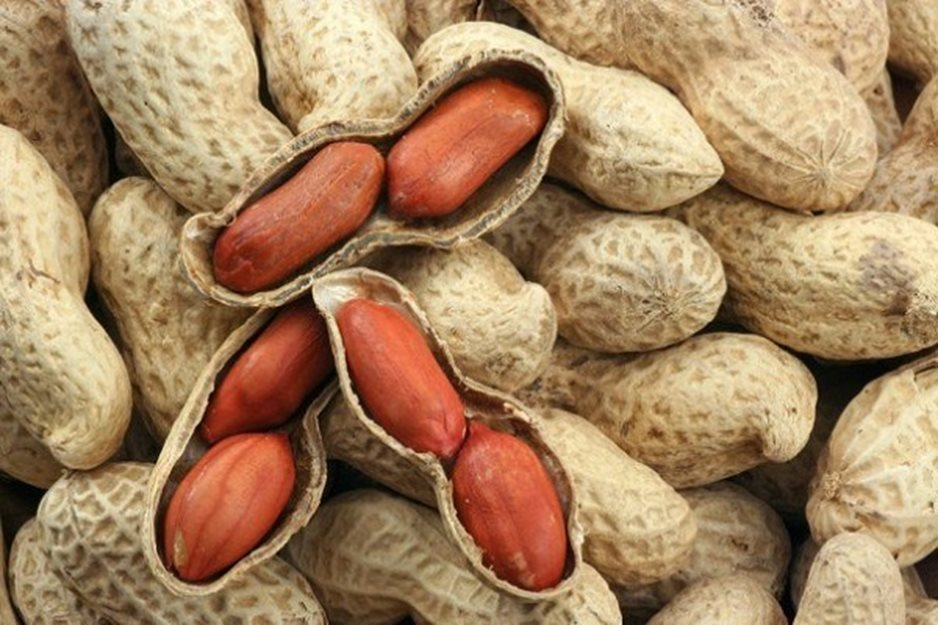
Peanuts Contain Powerful Antioxidants
Many people associate antioxidants with fruits and vegetables, but peanuts also contain several beneficial plant compounds.
Among these are:
-
Resveratrol
-
Flavonoids
-
Phenolic acids
-
Vitamin E
Antioxidants help protect cells from oxidative stress caused by unstable molecules known as free radicals.
Although no single food can prevent disease, consuming a variety of antioxidant-rich foods is considered an important part of a healthy diet.
They Can Support Blood Sugar Control
Peanuts have a relatively low glycemic impact compared with many processed snack foods.
Because they contain protein, fiber, and fat, they do not typically cause rapid spikes in blood sugar.
For this reason, peanuts may be a better snack choice than sugary foods, refined crackers, or candy.
People with diabetes often benefit from snacks that help maintain stable blood glucose levels.
However, sweetened peanut products may have different effects and should be evaluated separately.
Peanut Butter: Healthy or Not?
Peanut butter can offer many of the same benefits as whole peanuts.
However, not all peanut butter products are created equal.
Doctors recommend checking ingredient labels carefully.
The healthiest options generally contain:
-
Peanuts
-
Possibly a small amount of salt
Some commercial products may contain:
-
Added sugar
-
Hydrogenated oils
-
Excess sodium
-
Artificial ingredients
Natural peanut butter is often considered the better choice.
Potential Risks of Eating Peanuts
While peanuts provide many benefits, they are not suitable for everyone.
Peanut Allergy
Peanut allergy is one of the most serious food allergies worldwide.
Symptoms can range from mild reactions such as itching or hives to severe, life-threatening anaphylaxis.
Individuals with peanut allergies must avoid peanuts completely and follow medical guidance.
Digestive Discomfort
Some people may experience bloating or digestive discomfort after consuming large amounts of peanuts.
Introducing fiber-rich foods gradually may help minimize these effects.
Excess Calories
Because peanuts are calorie-dense, consuming large portions regularly may contribute to weight gain if overall calorie intake exceeds energy needs.
Added Ingredients
Salted, honey-roasted, chocolate-coated, or heavily processed peanut products may contain significant amounts of sugar, sodium, and unhealthy additives.
Doctors generally recommend choosing minimally processed options whenever possible.
What About Aflatoxins?
Aflatoxins are naturally occurring toxins produced by certain molds that can grow on crops, including peanuts.
This topic sometimes raises concern among consumers.
However, food safety regulations in many countries require rigorous testing and monitoring of peanut products.
Commercially sold peanuts are generally considered safe when purchased from reputable sources and stored properly.
How Much Is Too Much?
There is no universal recommendation that applies to everyone.
However, many nutrition professionals suggest a serving size of approximately one ounce (about a small handful) of peanuts per day.
This amount provides meaningful nutritional benefits without contributing excessive calories for most individuals.
People with specific medical conditions should follow personalized dietary advice from their healthcare providers.
The Bottom Line
So, what do doctors really think about eating peanuts?
For most people, peanuts can be a nutritious, affordable, and satisfying food that provides protein, healthy fats, fiber, vitamins, minerals, and antioxidants. When eaten in reasonable portions as part of a balanced diet, they may support heart health, help with satiety, contribute to stable blood sugar levels, and provide valuable nutrients.
However, peanuts are not a miracle food. They should be consumed in moderation, and individuals with allergies or specific medical concerns should seek professional guidance.
Ultimately, the healthiest approach is not to focus on any single food but to build a well-rounded eating pattern that includes a variety of nutrient-rich foods. Within that framework, peanuts can certainly earn a place on the menu.