

The Truth About Peanuts: What Doctors Want You to Know
What Health Experts Really Think About Eating Peanuts?
Health 05/06/2026 17:36
Most people have experienced a poor night's sleep at some point in their lives. Perhaps you stayed up late working, studying, caring for a child, or simply couldn't fall asleep. The next day, you likely felt tired, irritable, and less focused than usual.
But what happens when sleep deprivation becomes a regular part of life?
Modern lifestyles have made chronic sleep loss increasingly common. Many adults sleep far less than the recommended amount, often sacrificing rest for work, entertainment, social media, or other responsibilities. While occasional sleep deprivation is usually manageable, ongoing sleep loss can have significant effects on both the brain and the body.
Researchers continue to discover how deeply sleep influences memory, learning, emotional regulation, mental performance, and overall brain health. The findings suggest that sleep is not simply a period of rest—it is one of the brain's most important maintenance processes.
When we sleep, the brain does far more than simply "shut down."
During sleep, important processes occur, including:
Memory consolidation
Learning reinforcement
Waste removal
Hormone regulation
Cellular repair
Emotional processing
Sleep allows the brain to recover from the demands of the day and prepare for the challenges ahead.
Without sufficient sleep, these processes become less efficient.
While individual needs vary slightly, most health organizations recommend:
Approximately 7 to 9 hours of sleep per night.
Typically 8 to 10 hours.
Even more, depending on age.
Consistently sleeping less than recommended may increase the likelihood of physical and mental health problems over time.
One of the earliest effects of sleep deprivation often involves memory.
During sleep, the brain helps organize and store information gathered throughout the day.
People may experience:
Forgetfulness
Difficulty learning new information
Trouble recalling details
Reduced academic or work performance
Even one night of poor sleep can negatively affect memory formation.
Many people notice reduced focus after insufficient sleep.
Short attention span
Increased distractibility
Difficulty completing tasks
Slower thinking
The brain's executive functions become less efficient when sleep is restricted.
These functions are responsible for:
Planning
Decision-making
Problem-solving
Attention control
Sleep deprivation affects alertness.
Slower reaction times can increase the risk of:
Workplace accidents
Sports injuries
Driving incidents
Research has shown that severe sleep deprivation may impair performance in ways similar to alcohol intoxication.
The connection between sleep and emotional health is remarkably strong.
Irritability
Anxiety
Frustration
Mood swings
Sleep helps regulate the brain's emotional centers.
Without enough rest, emotional responses may become more intense and harder to control.
Poor sleep and stress often reinforce one another.
Stress makes sleep more difficult.
Lack of sleep increases stress sensitivity.
This cycle can become difficult to break.
Chronic sleep loss may influence cortisol, one of the body's primary stress hormones.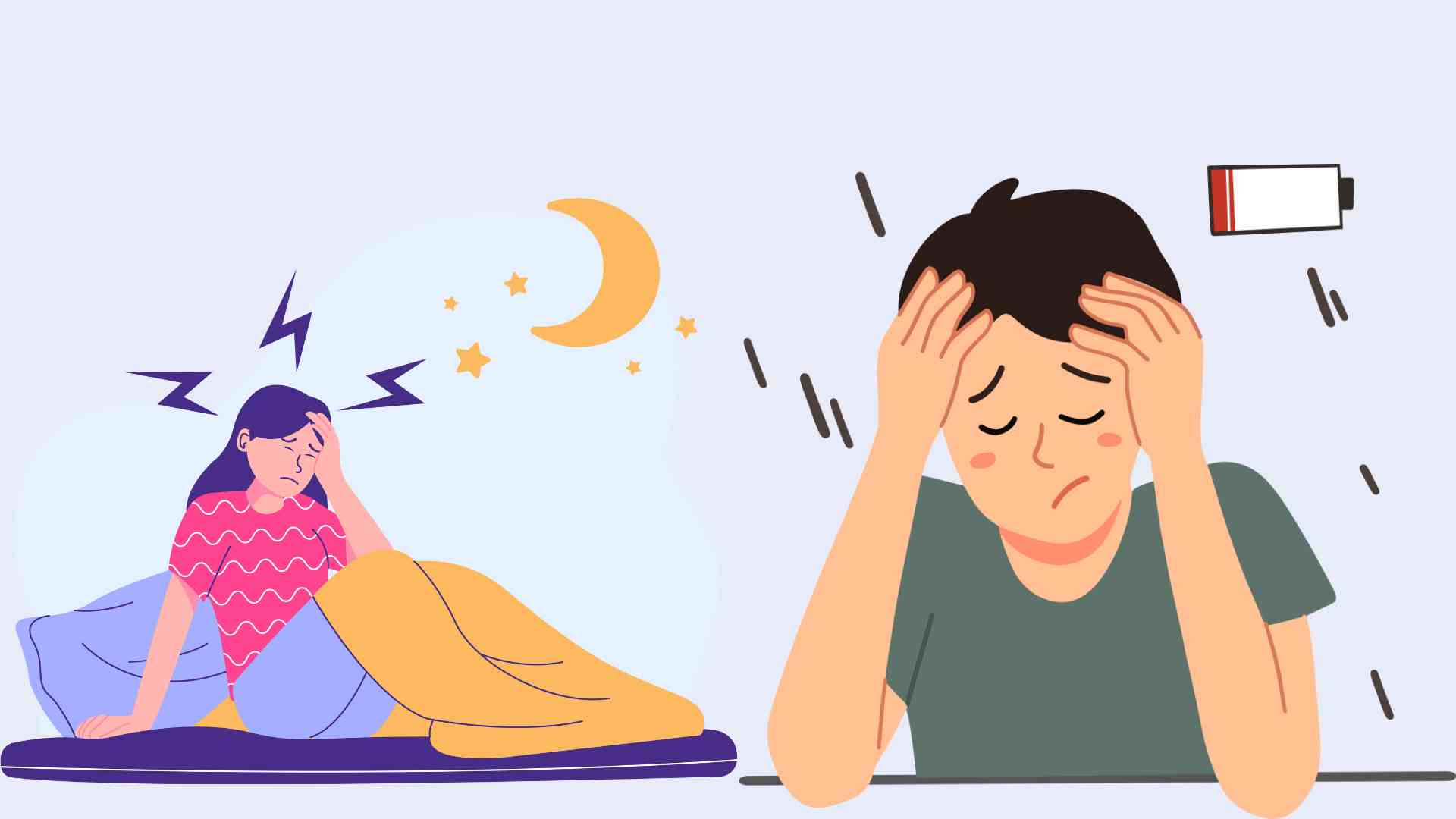
Students and professionals alike rely on sleep for learning.
The brain strengthens neural connections involved in:
New knowledge
Skills
Experiences
Learning becomes less efficient.
Information may be harder to retain and apply.
Many sleep-deprived individuals describe experiencing "brain fog."
Mental sluggishness
Difficulty thinking clearly
Reduced productivity
Feeling mentally disconnected
Although brain fog is not a medical diagnosis, it is a common complaint among individuals who consistently sleep too little.
Sleep helps support judgment and reasoning.
People may become more likely to:
Take unnecessary risks
Make impulsive decisions
Misjudge situations
These effects can influence personal, financial, and professional choices.
Creative thinking depends on complex interactions within the brain.
Sleep supports:
Problem-solving
Innovation
Mental flexibility
Many people find that solutions to difficult problems become clearer after a good night's sleep.
Researchers have identified strong associations between chronic sleep deprivation and mental health challenges.
Anxiety disorders
Depression
Mood disturbances
Sleep and mental health influence each other in both directions.
Poor sleep may worsen mental health symptoms, while mental health challenges may also interfere with sleep.
One of the most fascinating discoveries in sleep research involves the brain's waste-removal process.
During sleep, the brain appears to clear away certain waste products that accumulate during waking hours.
Scientists continue to investigate how this process may influence long-term brain health.
Although research is ongoing, sleep appears to play a critical role in maintaining a healthy brain environment.
The consequences of sleep deprivation extend beyond mental performance.
Increased appetite
Reduced immune function
Hormonal changes
Higher blood pressure
Fatigue
Because the brain helps regulate many body systems, poor sleep can have widespread effects.
Long hours remain a major contributor.
Smartphones, tablets, and computers often delay bedtime.
Mental tension can interfere with falling asleep.
Conditions such as sleep apnea may disrupt sleep quality.
Irregular schedules can make consistent sleep difficult.
Feeling sleepy during routine activities.
Needing increasing amounts of caffeine to function.
Feeling exhausted despite sleeping.
Increased irritability or emotional sensitivity.
Struggling to perform routine tasks efficiently.
Go to bed and wake up at similar times each day.
Blue light may interfere with natural sleep signals.
Examples include:
Reading
Meditation
Gentle stretching
Caffeine may remain in the body for several hours.
A cool, dark, and quiet environment often supports better sleep.
Consider consulting a healthcare professional if:
Sleep problems persist for weeks
Loud snoring occurs regularly
Daytime fatigue becomes severe
Concentration problems interfere with daily life
You frequently wake feeling unrefreshed
Underlying sleep disorders may require evaluation and treatment.
Most people cannot permanently adapt to significantly reduced sleep.
Extra sleep may help temporarily, but it does not fully reverse chronic sleep deprivation.
Sleep is a biological necessity, not an optional activity.
Sleep is one of the most powerful tools for maintaining brain health, yet it is often one of the first things people sacrifice. Chronic sleep loss can affect memory, concentration, learning, mood, decision-making, creativity, and overall cognitive performance. Over time, the effects may extend far beyond feeling tired.
The brain relies on sleep to repair, organize, process information, and maintain normal function. Prioritizing consistent, high-quality sleep is not simply about avoiding fatigue—it is an investment in mental clarity, emotional well-being, physical health, and long-term quality of life.
In a world that often celebrates busyness, one of the healthiest decisions you can make may be something surprisingly simple: getting enough sleep.
What Health Experts Really Think About Eating Peanuts?

Drink This Before Bed: One Glass May Help Support Natural Colon Cleansing Overnight

Don't Ignore Deep Sock Marks - They Could Be a Sign of These 4 Health Concerns

The 5 Meat Products Most Commonly Linked to Long-Term Health Concerns

10 Warning Signs of Pancreatic Can.cer You Should Never Overlook

Why Do Your Hands Feel Numb or Tingly? Here Are Some Possible Causes

Your Body May Be Sending These 7 Signals When Stress Becomes Overwhelming

Could This Common Chemical Be Affecting Your Liver? Here's What Studies Are Exploring

The Surprising Reason This Symptom Often Appears First Thing in the Morning

Wondering Why Your Underwear Develops Bleached Spots?

If Your Child Is Losing Sleep Because of Itching, Read This

Why Eggs Remain One of the Most Nutrient-Dense Foods, According to Experts

Frequently Waking Up at 3–4 AM? Here Are Some Possible Explanations

Many People Miss These Early Cancer Symptoms
Notice Swelling in Your Legs? Here's What Experts Recommend 👇

Your Body May Be Sending Warning Signals—Here Are 20 Signs to Watch For 👀

Peanuts Are Popular Worldwide—But They’re Not Ideal for Everyone

The Surprising Leafy Green That Could Benefit Your Bones

Sleep Experts Reveal What Your 3 A.M. Wake-Up Could Mean
What Health Experts Really Think About Eating Peanuts?
Drink This Before Bed: One Glass May Help Support Natural Colon Cleansing Overnight
Don't Ignore Deep Sock Marks - They Could Be a Sign of These 4 Health Concerns
The 5 Meat Products Most Commonly Linked to Long-Term Health Concerns
10 Warning Signs of Pancreatic Can.cer You Should Never Overlook
Why Do Your Hands Feel Numb or Tingly? Here Are Some Possible Causes
Your Body May Be Sending These 7 Signals When Stress Becomes Overwhelming
Could This Common Chemical Be Affecting Your Liver? Here's What Studies Are Exploring
The Surprising Reason This Symptom Often Appears First Thing in the Morning
Wondering Why Your Underwear Develops Bleached Spots?

Overripe Tomatoes Aren't Always Trash Here Are Several Clever Ways to Use Them
If Your Child Is Losing Sleep Because of Itching, Read This
Why Eggs Remain One of the Most Nutrient-Dense Foods, According to Experts
Frequently Waking Up at 3–4 AM? Here Are Some Possible Explanations
Many People Miss These Early Cancer Symptoms
Notice Swelling in Your Legs? Here's What Experts Recommend 👇
Your Body May Be Sending Warning Signals—Here Are 20 Signs to Watch For 👀
Peanuts Are Popular Worldwide—But They’re Not Ideal for Everyone
The Surprising Leafy Green That Could Benefit Your Bones