Cervical cancer is not only a women’s issue.
It is a shared health responsibility—one that involves partners, lifestyle choices, and long-term habits inside a relationship.
Medical research has consistently shown that a woman’s risk of cervical cancer is influenced not only by her own health behaviors, but also by the actions of her sexual partner. Yet this connection is rarely discussed openly.
This is not about assigning blame.
It is about understanding how certain behaviors quietly increase risk, and how changing them can protect lives.
Below are three common but often overlooked habits that doctors warn can significantly raise a woman’s risk of cervical cancer over time.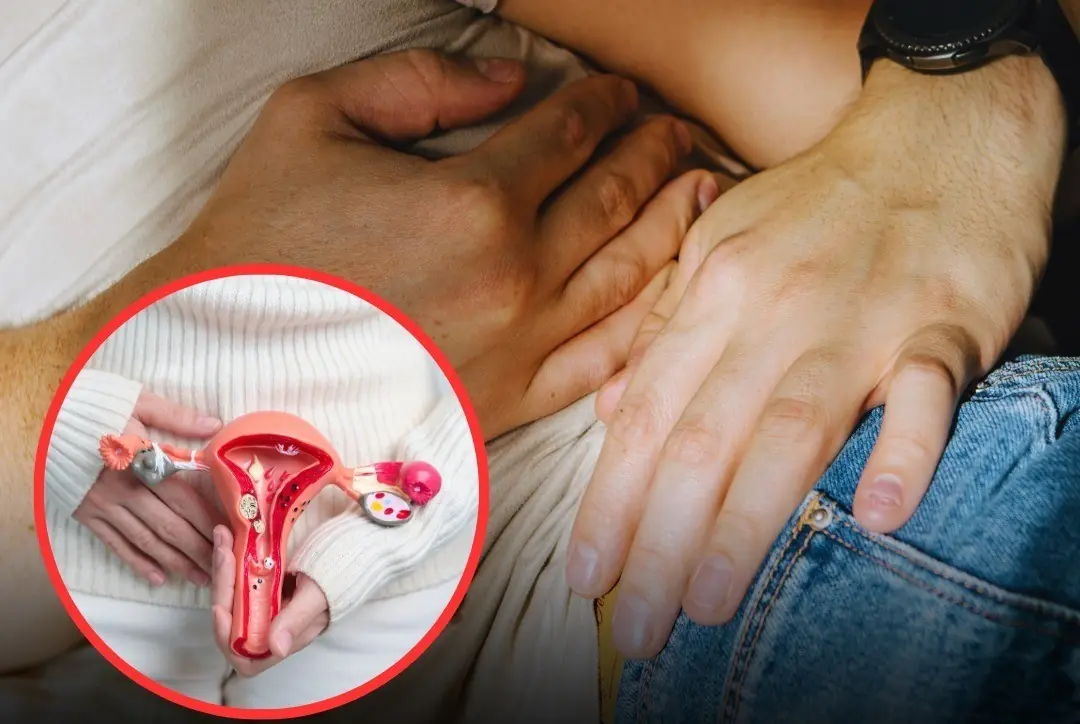
Why Cervical Cancer Is Closely Linked to Partner Behavior
Cervical cancer is most commonly caused by persistent infection with high-risk human papillomavirus (HPV).
HPV:
-
Is extremely common
-
Is often asymptomatic in men
-
Can persist silently for years
-
Is primarily transmitted through sexual contact
Because men rarely show symptoms, they may unknowingly carry and transmit high-risk HPV, repeatedly exposing their partners.
This makes partner behavior a critical factor in long-term risk.
Habit 1: Multiple Sexual Partners Without Protection
One of the strongest risk factors for cervical cancer is repeated exposure to HPV strains, especially high-risk types.
When a husband:
-
Has multiple sexual partners
-
Engages in unprotected sex
-
Does not disclose past or current risks
he increases the likelihood of introducing new HPV strains into the relationship.
Even if the relationship later becomes monogamous, the damage may already be done.
Important facts:
-
Men often carry HPV without symptoms
-
Reinfection can occur
-
The immune system may struggle to clear repeated exposures
This is not about morality.
It is about biology and risk accumulation.
Habit 2: Refusing Condoms or Dismissing Safe Sex
Some men believe condoms are unnecessary within marriage or long-term relationships. Others dismiss them as inconvenient or unnecessary once trust is established.
Medically, this is dangerous thinking.
Condom use:
-
Significantly reduces HPV transmission
-
Lowers viral load exposure
-
Protects against reinfection during treatment or immune recovery
When a husband refuses protection while:
-
Having prior sexual history
-
Carrying untreated infections
-
Ignoring screening
he removes a critical layer of defense for his partner.
Trust does not replace protection when it comes to viruses.
Habit 3: Ignoring Hygiene, Health Checks, and HPV Awareness
This habit is subtle—but deeply harmful.
Many men:
-
Never get sexual health checkups
-
Dismiss HPV as “a women’s problem”
-
Ignore genital symptoms
-
Refuse vaccination due to stigma or misinformation
Poor genital hygiene, untreated infections, and lack of awareness can prolong viral presence, increasing the chance of transmission and persistence.
Doctors emphasize that HPV prevention is a shared responsibility.
Men who avoid medical care do not just risk their own health—they place their partners at risk of:
-
Persistent HPV infection
-
Cervical cell changes
-
Delayed diagnosis
Silence does not equal safety.
Why These Habits Are Called “Selfish”
They are not selfish because they are intentional harm.
They are selfish because they:
-
Prioritize comfort over safety
-
Ignore shared consequences
-
Place emotional avoidance above physical protection
Cervical cancer affects not just one woman—it impacts:
-
Children
-
Partners
-
Families
-
Futures
Prevention requires mutual accountability.
What Husbands Can Do to Protect Their Wives
Doctors recommend clear, actionable steps:
-
Practice sexual responsibility
-
Use protection when medically advised
-
Support HPV vaccination
-
Encourage regular cervical screening
-
Seek medical advice when symptoms appear
-
Educate themselves about HPV
Protection is not passive.
It is a daily decision.
What Wives Should Know
Women should never feel ashamed to:
-
Ask about sexual history
-
Request protection
-
Insist on screening
-
Seek medical advice independently
Health conversations are not accusations.
They are acts of self-preservation.
Cervical cancer is highly preventable when risks are addressed early.
Early Detection Saves Lives
Regular Pap smears and HPV testing can:
-
Detect precancerous changes
-
Prevent progression to cancer
-
Enable early, effective treatment
But screening alone is not enough if ongoing exposure continues.
Prevention works best when both partners participate.
Final Message
Cervical cancer is not caused by love, marriage, or intimacy.
It is caused by viruses, silence, and preventable neglect.
Strong families are built not only on loyalty—but on responsibility.
Changing these habits does not weaken masculinity.
It strengthens protection, trust, and long-term health.
A partner who protects health protects the future.