
If You Notice These 3 Symptoms at Night, It May Be Time for a Health Check-Up
3 Unusual Nighttime Symptoms That Should Never Be Ignored
Health 16/05/2026 02:33
Leftovers can save time, reduce food waste, and make meal planning much easier. For many households, reheating food the next day is a normal part of daily life. However, food safety experts warn that some foods require extra care when stored or reheated because improper handling may increase the risk of bacterial growth, food poisoning, or reduced nutritional quality.
Contrary to popular myths, reheating food itself does not automatically make it “toxic.” The bigger concern is usually:
Certain foods are especially sensitive because of their moisture content, protein structure, or tendency to support bacterial growth.
Here are six common foods that may become problematic if not stored or reheated properly.
Bacteria grow most rapidly in what food safety experts call the “danger zone,” typically between:
When cooked food remains at room temperature too long, harmful bacteria may multiply quickly.
Proper cooling, refrigeration, and reheating help reduce food safety risks.
Rice is one of the most commonly discussed leftover foods.
The issue is not reheating itself, but how rice is stored after cooking.

Uncooked rice may contain spores of bacteria called Bacillus cereus. These spores can survive cooking.
If cooked rice is left at room temperature for too long:
Symptoms may include:
Experts recommend:
Cooked potatoes may also become risky if stored improperly.
Problems may arise when potatoes:

Warm, moist environments can encourage bacterial growth.
Potatoes should ideally be:
Chicken contains high amounts of protein and moisture, making it vulnerable to bacterial contamination if mishandled.
Improper storage may allow harmful bacteria such as:
to multiply.

When reheating poultry:
Uneven microwave heating may leave cold spots where bacteria survive.
Seafood is highly perishable and requires careful storage.
Fish and shellfish may spoil more quickly than many other foods, especially if:
Possible symptoms of spoiled seafood may include:

Experts generally recommend:
Cooked egg dishes can also become problematic if left out too long.
This includes:
Egg-based foods may support bacterial growth when:

Proper refrigeration is especially important.
Certain leafy greens such as:
are sometimes discussed because they naturally contain nitrates.
Under certain storage conditions, nitrates may convert into compounds that raise food safety concerns.
However, the larger issue usually remains improper storage rather than reheating itself.
Vegetables should be:
Many people believe reheating alone causes food poisoning, but experts say improper storage is often the real issue.
Common mistakes include:
These habits may increase bacterial growth risk.
Possible warning signs include:

When in doubt, experts often recommend throwing questionable food away.
Food safety experts often recommend:
Good food hygiene matters more than fear of leftovers themselves.
Microwaves sometimes heat food unevenly.
Cold spots may allow bacteria to survive.
Helpful tips include:
While many cases are mild, foodborne illness may become more dangerous for:
Symptoms may include:
Most leftovers are perfectly safe when handled properly. However, foods such as rice, potatoes, poultry, seafood, eggs, and leafy greens may become problematic if stored or reheated incorrectly. In many cases, the real danger comes not from reheating itself, but from bacteria growing during improper storage.
Simple habits such as refrigerating food promptly, reheating evenly, and avoiding repeated warming cycles can significantly reduce food safety risks.
Sometimes the smallest kitchen routines play a much bigger role in health than people realize.
3 Unusual Nighttime Symptoms That Should Never Be Ignored
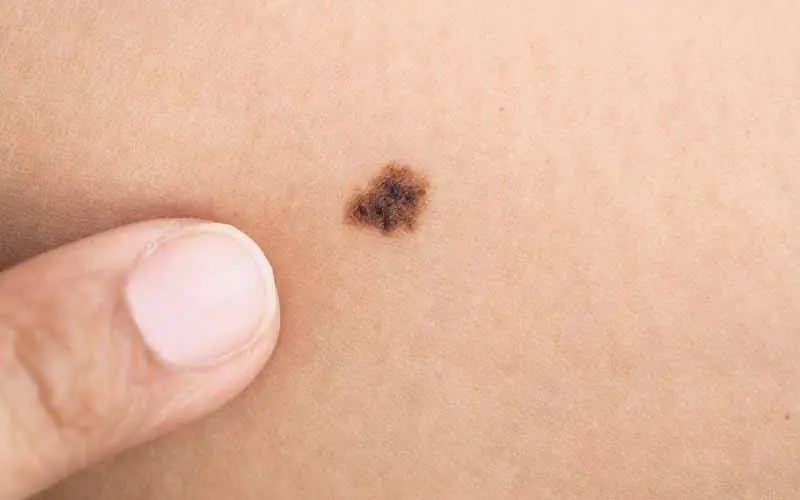
Not Every Mole Is Harmless - Doctors Explain the Signs You Should Watch For

This Type of Can.cer Is Rising Faster in Young Adults Than Many Experts Expected

A small dark spot on a boy’s leg revealed a life-threatening condition.

5 Water-Drinking Mistakes Experts Say Could Be Hard on Your Kidneys and Liver

Doctors Say Many Women Overlook This Quiet Warning Sign of a Heart Attack

Doctors warn common fridge habits may quietly damage liver health.
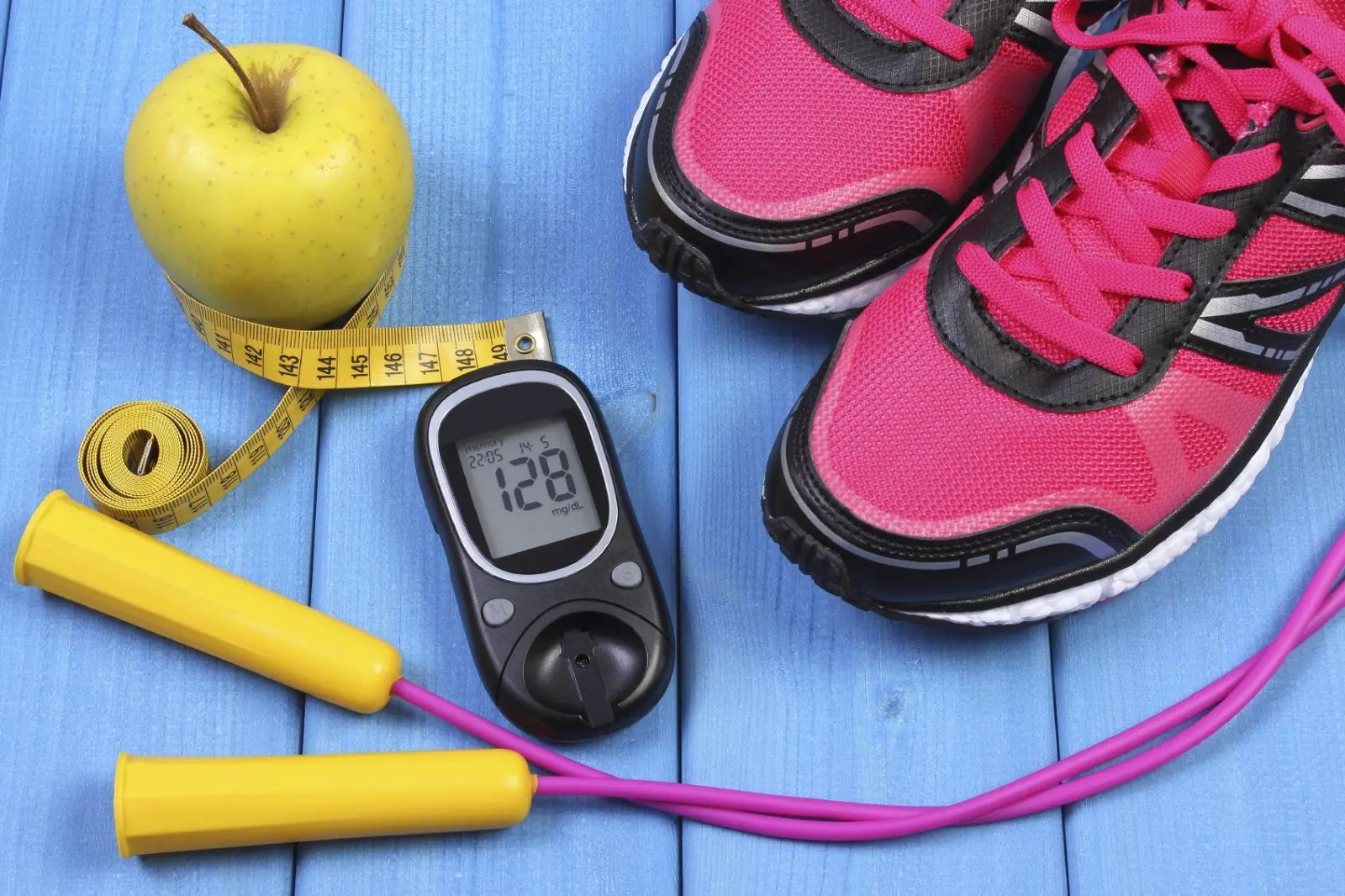
Doctors Say These 7 Symptoms After Waking Up Could Point to Diabetes

Neck Lymph Nodes Swo.llen? These Signs May Mean It’s Time to See a Doctor

A Sour Vaginal Odor Isn’t Always Normal — Here’s What Could Be Causing It

11 Hidden Clues That Could Point to Kidney Problems
A woman is warning others after overlooking 5 subtle symptoms that turned out to be stage 4 colon cancer 👇

One healthy breakfast choice. Five major benefits for your body. Here’s what boiled eggs can do
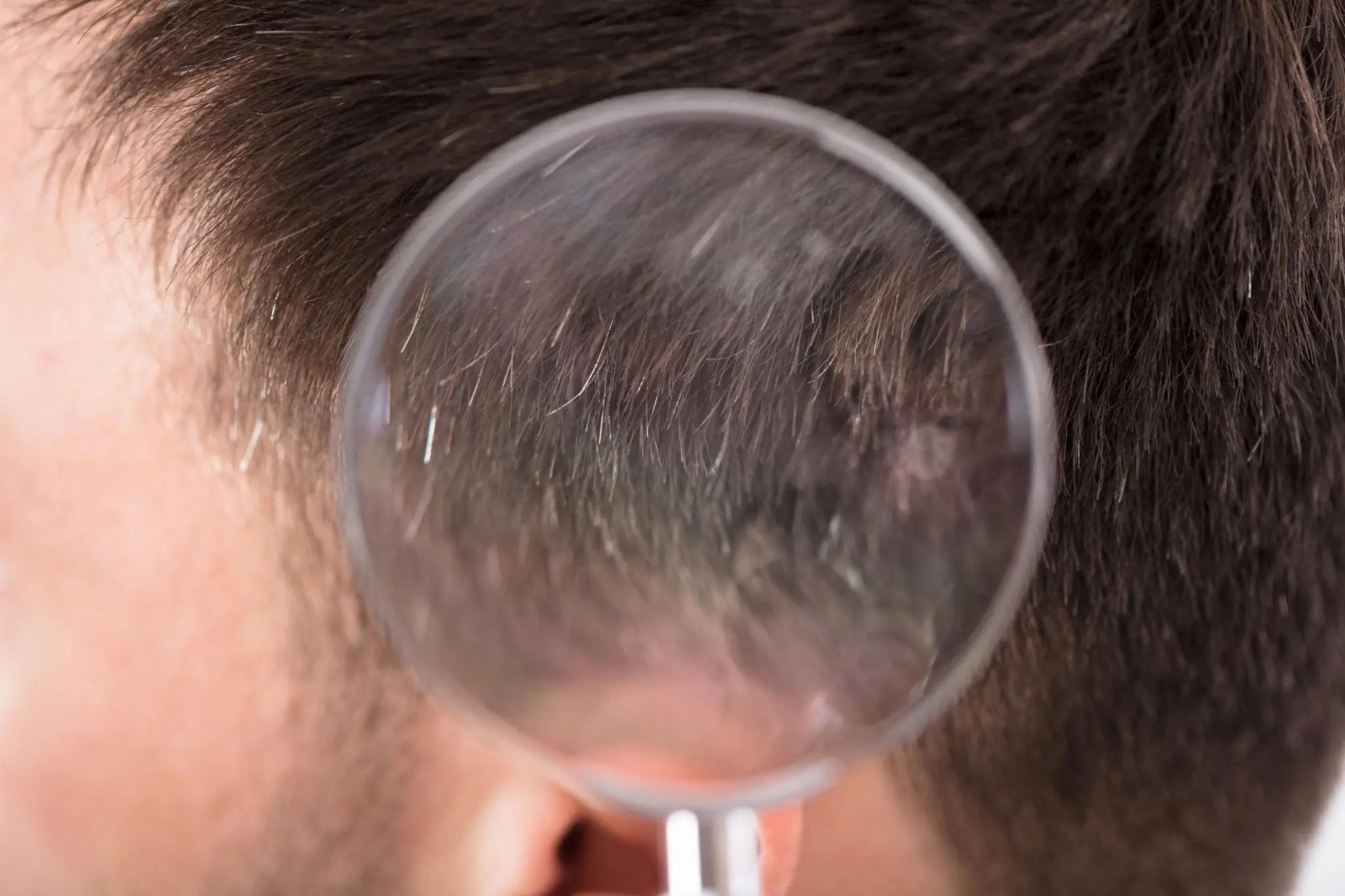
Doctors Urge People Not to Ignore Persistent Scalp Symptoms Mistaken for Dandruff
Don’t Ignore Pain Under Your Left Rib Cage: Possible Reasons Explained

If You Frequently Notice These 15 Foot Symptoms, Diabetes Could Be the Cause
Garlic at Night: Unexpected Benefits and Effects You Should Know
Hidden vitamin D deficiency signs may quietly harm your health daily.
Dark leafy greens like this “green gins.eng” are exceptionally beneficial for overall hea.lth.
3 Unusual Nighttime Symptoms That Should Never Be Ignored
Not Every Mole Is Harmless - Doctors Explain the Signs You Should Watch For
This Type of Can.cer Is Rising Faster in Young Adults Than Many Experts Expected
A small dark spot on a boy’s leg revealed a life-threatening condition.
5 Water-Drinking Mistakes Experts Say Could Be Hard on Your Kidneys and Liver
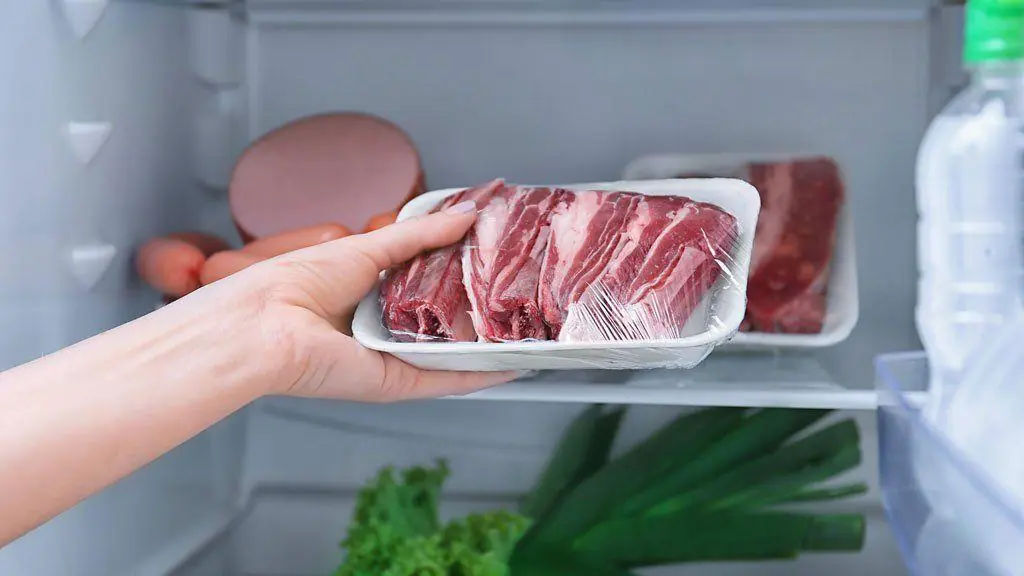
Improper Meat Defrosting May Lead to Hidden Health Dangers
Doctors Say Many Women Overlook This Quiet Warning Sign of a Heart Attack

These 3 Attractive Plants Are Said to Help Deter Snakes Naturally
Doctors warn common fridge habits may quietly damage liver health.
Doctors Say These 7 Symptoms After Waking Up Could Point to Diabetes
Neck Lymph Nodes Swo.llen? These Signs May Mean It’s Time to See a Doctor
A Sour Vaginal Odor Isn’t Always Normal — Here’s What Could Be Causing It
11 Hidden Clues That Could Point to Kidney Problems
A woman is warning others after overlooking 5 subtle symptoms that turned out to be stage 4 colon cancer 👇
Here’s what can happen to your body when almonds become part of your daily routine

A daily cucumber habit may do more for your body than you think
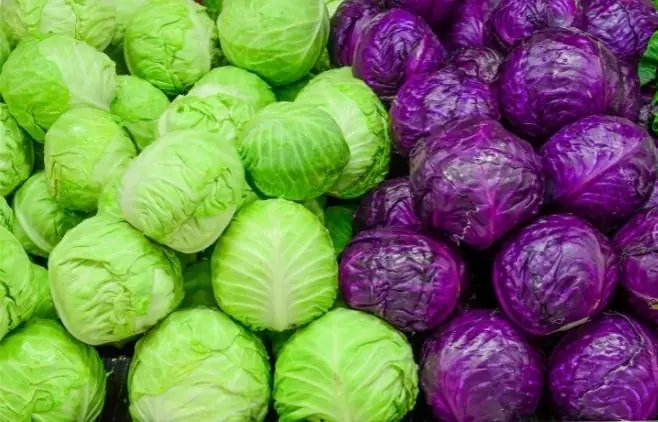
Most People Choose Cabbage Wrong - Here’s How to Pick the Best One
One healthy breakfast choice. Five major benefits for your body. Here’s what boiled eggs can do
Doctors Urge People Not to Ignore Persistent Scalp Symptoms Mistaken for Dandruff