A heart attack can happen suddenly, sometimes when a person is completely alone at home. The first reaction may be fear, confusion, or the hope that the discomfort will simply go away.
That hesitation can be dangerous.
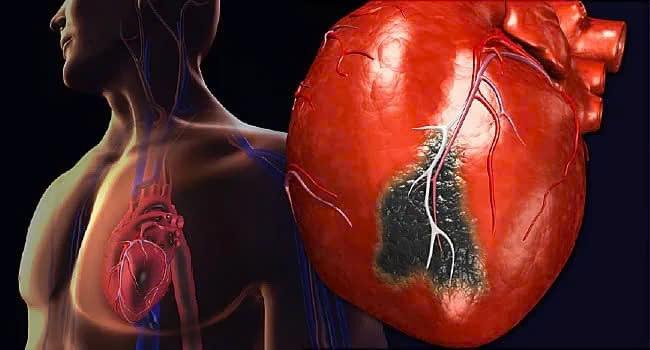
A heart attack occurs when blood flow to part of the heart muscle becomes blocked or severely reduced. Without enough oxygen-rich blood, heart tissue can begin to suffer damage. The faster medical treatment begins, the better the chances of limiting that damage.
Knowing what to do before an ambulance arrives can therefore be extremely important.
Just as importantly, you should know what not to do. There is no reliable “10-second trick” that can stop a heart attack at home. The priority is recognizing the warning signs and getting emergency medical help as quickly as possible.
What Does a Heart Attack Feel Like?
Many people imagine a heart attack as sudden, crushing pain in the center of the chest.
That can happen, but symptoms aren't always dramatic.
Possible warning signs include:
-
Pressure, squeezing, fullness, or discomfort in the chest
-
Pain that spreads to the arm, shoulder, back, neck, jaw, or upper abdomen
-
Shortness of breath
-
Cold sweating
-
Nausea or vomiting
-
Unusual weakness or fatigue
-
Lightheadedness or fainting
-
A feeling of unexplained anxiety or discomfort
Some people experience mild symptoms rather than severe pain.
Women, older adults, and people with diabetes may sometimes have less typical symptoms, although anyone can experience a heart attack without classic chest pain.
Don't wait for every symptom to appear.
The First Thing to Do: Call Emergency Services
If you think you're having a heart attack, call your local emergency medical service immediately.
Do not wait to see whether the symptoms disappear.
Do not spend several minutes searching online for an explanation.
And, if possible, don't drive yourself to the hospital.
Emergency medical teams can begin assessment and treatment before you arrive at the hospital, and emergency departments can prepare for your arrival.
If you're in the United States or Canada, call 911. In other countries, use the appropriate local emergency number.
If you're unsure whether your symptoms are serious enough, it is safer to seek urgent medical assessment than to assume they're harmless.
If You're Alone, Unlock the Door
If you are alone and physically able to do so, unlock your front door after calling emergency services.
This can make it easier for paramedics to reach you if you become too weak or unconscious to open the door.
Then sit or lie down somewhere safe where emergency personnel can find you.
Keep your phone nearby.
If the dispatcher gives you instructions, follow them.
Stop What You're Doing
Do not continue cleaning, exercising, climbing stairs, or trying to finish whatever task you were doing.
Sit down and rest.
A comfortable position with your upper body supported may make breathing easier for some people.
Avoid unnecessary physical exertion.
The goal is to reduce the risk of falling or becoming injured while waiting for medical help.
Should You Take Aspirin?
This is an area where internet advice can become dangerously oversimplified.
Aspirin can be useful in some suspected heart attacks because it can reduce platelet activity and help limit clot formation. However, it is not appropriate for everyone.
You should not take aspirin if you have been told to avoid it, have a serious aspirin allergy, certain bleeding problems, or another medical reason that makes it unsafe.
If emergency dispatchers or a medical professional advises you to take aspirin, follow their instructions.
If you're uncertain, ask the emergency dispatcher rather than relying on a generic internet dosage recommendation.
And remember:
Aspirin is not a substitute for emergency medical care.
What About Nitroglycerin?
Some people who have previously been diagnosed with angina are prescribed nitroglycerin.
If it was prescribed specifically for you, use it according to your doctor's instructions or the emergency dispatcher's guidance.
Do not take someone else's prescription.
Certain medications, particularly some drugs used for erectile dysfunction or pulmonary hypertension, can interact dangerously with nitrates.
This is another reason not to experiment with medication during a suspected emergency.
Don't Try to “Walk It Off”
One dangerous misconception is that a person should walk around, stretch, drink water, or try to “push through” chest discomfort.
A possible heart attack is not something to test with exercise.
Physical activity can increase the heart's demand for oxygen at a time when blood supply may already be restricted.
Stop and seek emergency care instead.

Don't Drive Yourself If Emergency Transport Is Available
It may seem faster to get behind the wheel and head directly to the hospital.
But driving yourself can create additional danger.
Your symptoms could suddenly worsen. You could lose consciousness, become severely short of breath, or develop an abnormal heart rhythm while driving.
Emergency medical personnel can monitor you and respond if your condition changes.
If emergency medical transport is unavailable, follow local emergency guidance about getting to medical care safely—but don't drive if you are becoming faint, severely unwell, or unable to drive safely.
What If the Person Becomes Unconscious?
If someone with suspected heart attack suddenly becomes unresponsive and is not breathing normally, this may indicate cardiac arrest, which is different from a heart attack but can occur as a complication.
Call emergency services immediately if you haven't already.
Follow the dispatcher's instructions.
If the person is not breathing normally, begin CPR if you are able.
For an adult who suddenly collapses, hands-only CPR involves pushing hard and fast in the center of the chest.
An automated external defibrillator, or AED, should be used if one is immediately available. Turn it on and follow its spoken instructions.
Do not delay CPR while searching for medications or home remedies.
Why Every Minute Matters
Heart muscle needs a continuous supply of oxygen.
When a coronary artery becomes blocked, the affected heart tissue can become injured.
The longer the blood supply remains restricted, the greater the potential for permanent damage.
This is why medical professionals emphasize rapid treatment.
Depending on the type of heart attack and the hospital's findings, treatment may involve medications, cardiac catheterization, angioplasty, stent placement, or other interventions.
The appropriate treatment cannot be determined safely at home.