A heart attack can happen suddenly, sometimes when a person is completely alone at home. The first reaction may be fear, confusion, or the hope that the discomfort will simply go away.
That hesitation can be dangerous.
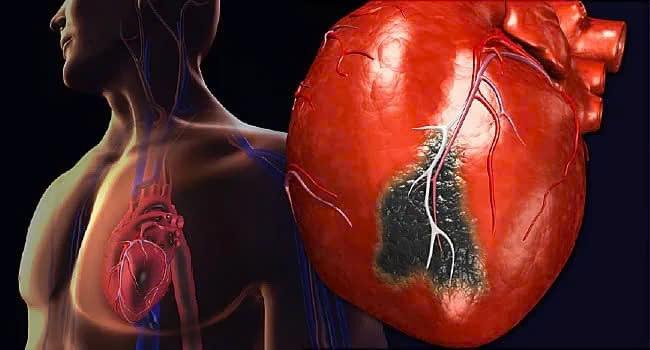
A heart attack occurs when blood flow to part of the heart muscle becomes blocked or severely reduced. Without enough oxygen-rich blood, heart tissue can begin to suffer damage. The faster medical treatment begins, the better the chances of limiting that damage.
Knowing what to do before an ambulance arrives can therefore be extremely important.
Just as importantly, you should know what not to do. There is no reliable “10-second trick” that can stop a heart attack at home. The priority is recognizing the warning signs and getting emergency medical help as quickly as possible.
What Does a Heart Attack Feel Like?
Many people imagine a heart attack as sudden, crushing pain in the center of the chest.
That can happen, but symptoms aren't always dramatic.
Possible warning signs include:
-
Pressure, squeezing, fullness, or discomfort in the chest
-
Pain that spreads to the arm, shoulder, back, neck, jaw, or upper abdomen
-
Shortness of breath
-
Cold sweating
-
Nausea or vomiting
-
Unusual weakness or fatigue
-
Lightheadedness or fainting
-
A feeling of unexplained anxiety or discomfort
Some people experience mild symptoms rather than severe pain.
Women, older adults, and people with diabetes may sometimes have less typical symptoms, although anyone can experience a heart attack without classic chest pain.
Don't wait for every symptom to appear.
The First Thing to Do: Call Emergency Services
If you think you're having a heart attack, call your local emergency medical service immediately.
Do not wait to see whether the symptoms disappear.
Do not spend several minutes searching online for an explanation.
And, if possible, don't drive yourself to the hospital.
Emergency medical teams can begin assessment and treatment before you arrive at the hospital, and emergency departments can prepare for your arrival.
If you're in the United States or Canada, call 911. In other countries, use the appropriate local emergency number.
If you're unsure whether your symptoms are serious enough, it is safer to seek urgent medical assessment than to assume they're harmless.
If You're Alone, Unlock the Door
If you are alone and physically able to do so, unlock your front door after calling emergency services.
This can make it easier for paramedics to reach you if you become too weak or unconscious to open the door.
Then sit or lie down somewhere safe where emergency personnel can find you.
Keep your phone nearby.
If the dispatcher gives you instructions, follow them.
Stop What You're Doing
Do not continue cleaning, exercising, climbing stairs, or trying to finish whatever task you were doing.
Sit down and rest.