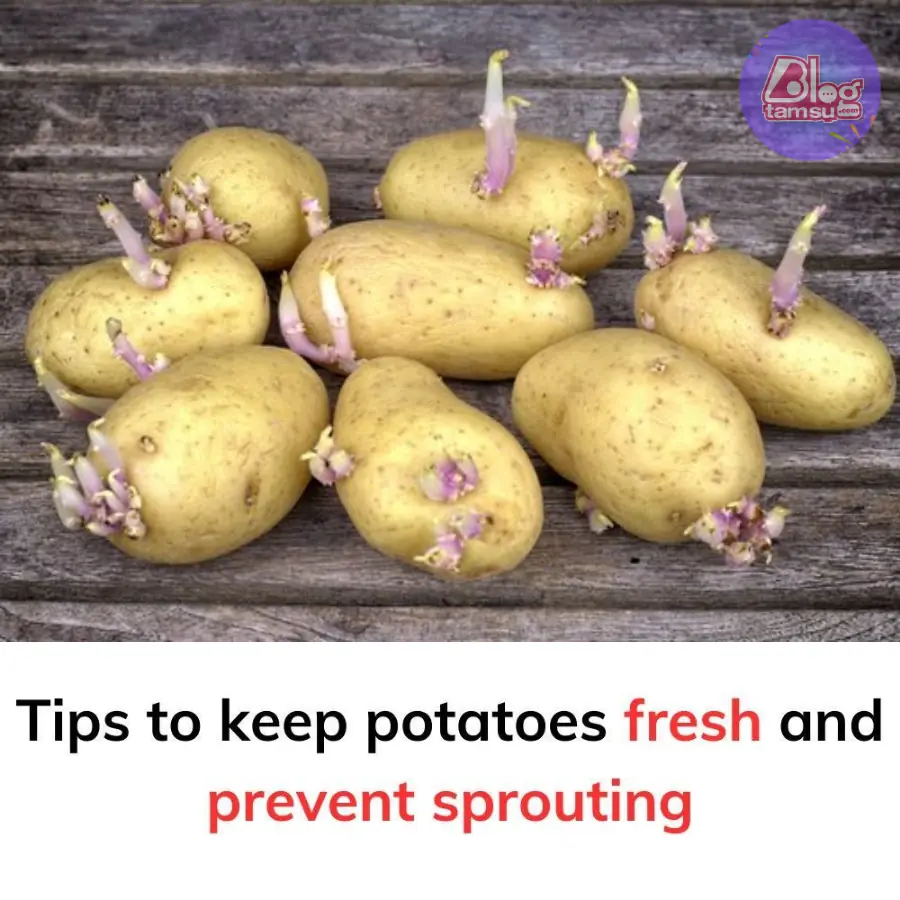
Below are practical tips to keep your potatoes fresh, firm, and free from premature sprouting. While it’s hard to prevent any sprout growth over a very long time, following these guidelines will help extend the shelf life of your spuds.
1. Store in a Cool, Dark, Well-Ventilated Place
- Ideal Temperature Range: Potatoes last longest around 45–50°F (7–10°C).
- Why Cool?: Warmer temperatures encourage sprouting, while too-cold environments (like a refrigerator) can convert starches into sugars, impacting flavor and texture.
- Darkness: Light exposure triggers chlorophyll development and can lead to “green” spots on the skin, which may also indicate increased solanine levels (a natural toxin).
Practical Tips
- A pantry, cellar, or insulated garage might work well if it’s consistently in the recommended range.
- Avoid sunny windowsills or countertops with direct light.
2. Avoid Refrigeration
- Why Not the Fridge?
- Refrigerating potatoes at standard fridge temperatures (≈ 35–40°F / 2–4°C) promotes sugar formation, resulting in sweeter-tasting, potentially discolored potatoes when cooked (sometimes turning brown).
- Long-Term Storage Caveat: If you must temporarily keep potatoes cold for short periods, let them warm up gradually before cooking to reduce off-flavors.
3. Keep Them Away from Ethylene Sources (Like Onions or Apples)
- Ethylene Gas: Fruits such as apples, bananas, pears—and onions, though primarily known for moisture rather than ethylene—can accelerate sprouting in nearby potatoes.
- Separate Storage: Storing onions and potatoes together is a common kitchen habit, but each releases moisture or gases that speed up spoilage or sprouting. Keep them in different areas or containers.
4. Choose the Right Container
- Breathable Materials: Perforated plastic bags, paper bags, or open-weave baskets allow airflow and help prevent moisture buildup that leads to rot.
- Avoid Sealing in Plastic: Potatoes need some ventilation; sealed plastic traps condensation and hastens decay.
- Layering: If you have many potatoes, avoid stacking them too high—pressure and limited airflow can bruise and spoil those at the bottom.
5. Don’t Wash Until Ready to Use
- Why: Washing adds moisture that can promote mold and rot in storage.
- Best Practice: Brush off excess dirt (if any), but keep them dry. Rinse them only right before cooking.
6. Inspect and Rotate Regularly
- Check for Early Sprouts or Soft Spots: Remove any potatoes showing signs of mold, rot, or shriveled skins to prevent spread to others.
- “First In, First Out”: Use older potatoes first. If you see a few sprouting, plan to cook them soon.
7. If Minor Sprouts Appear
- Safe to Eat?: A potato with small “eyes” or short sprouts is usually still edible. Simply cut or scrape them away—provided the potato hasn’t gone soft, green, or moldy.
- When to Discard: If large portions of the potato are green, or if the flesh has softened significantly, toss it to avoid potential solanine ingestion.
8. Consider Longer-Term Solutions (If You Buy in Bulk)
- Root Cellars: Traditional root cellars provide stable, cool, dark, and humid conditions—perfect for extended storage of potatoes.
- Controlled Humidity: Potatoes do best at around 90–95% relative humidity. If your storage area is too dry, they may shrivel faster; too moist, and they risk rotting.
- Smaller Batches: If you don’t have an ideal storage spot, buy potatoes in smaller quantities and replenish more often.
Bottom Line
To keep your potatoes fresher and sprout-free longer, store them in cool, dark, and well-ventilated conditions away from direct sunlight, excessive moisture, and ethylene-producing produce. Avoid washing them before storage and check them frequently to remove any that show early signs of spoilage. By following these tips, you’ll extend the lifespan of your potatoes—and ensure they’re ready for your next meal without unwanted sprouts or off-flavors.