Many people think cancer always starts with dramatic pain. In reality, early-stage cancer can be quiet—sometimes showing subtle changes that appear first thing in the morning. Doctors say that while these signs don’t automatically mean cancer, noticing persistent symptoms and getting checked early can make a major difference.
Below are seven morning warning signs that may signal something serious in the body, including possible cancer-related conditions.
1) Unexplained Morning Nausea or Vomiting
Feeling sick to your stomach after waking up—especially if it happens repeatedly—can be linked to many causes such as acid reflux, pregnancy, infections, or stress. However, persistent nausea may also occur when the body is dealing with hormonal changes, metabolic imbalance, or digestive tract issues. Some cancers affecting the stomach, liver, pancreas, or brain can trigger nausea due to inflammation or pressure changes.
When to pay attention: nausea that lasts more than two weeks, worsens, or is paired with weight loss.
2) A New or Unusual Cough After Waking
Waking up with a cough is common for people with allergies, asthma, smoking habits, or dry air exposure. But a cough that becomes chronic—especially when it produces blood or worsens over time—should not be ignored. Lung conditions, including lung cancer, sometimes begin with mild symptoms that patients mistakenly treat as a normal cold.
Warning sign: a cough lasting longer than 3 weeks, especially with chest pain or shortness of breath.
3) Extreme Morning Fatigue That Doesn’t Improve
Many people feel tired in the morning, but unusual fatigue that continues daily—even after adequate sleep—may signal that the body is fighting inflammation or blood abnormalities. Some cancers affect energy levels by altering metabolism or causing anemia. Patients often describe this as “a heavy tiredness” that rest doesn’t fix.
Red flag: fatigue that comes with dizziness, pale skin, or frequent infections.
4) Finger or Nail Changes You Shouldn’t Ignore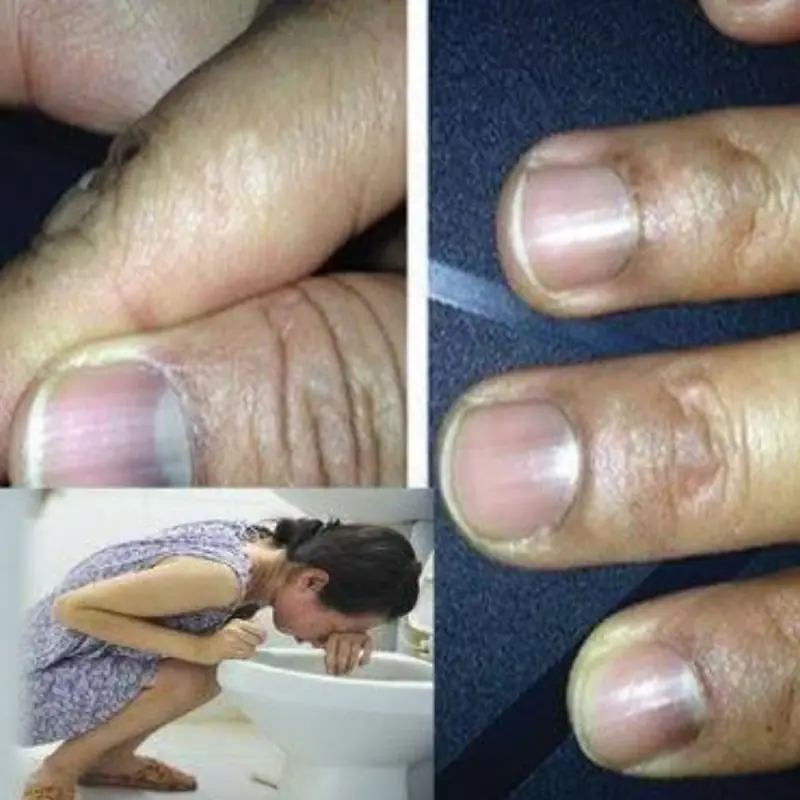
The image highlights noticeable changes around the fingers and nails. Doctors say certain cancers and chronic illnesses may be linked to nail changes such as:
-
clubbing (rounded, widened fingertips)
-
dark lines or unusual discoloration
-
nails becoming brittle, pitted, or peeling
-
swollen nail beds or persistent skin changes around the fingers
These symptoms can also be caused by vitamin deficiency, skin disease, or circulation problems—but if changes are sudden and persistent, a check-up is wise.
5) Swollen Lymph Nodes Noticed in the Morning
Some people notice swelling in the neck, underarms, or groin when they wake up—especially during infections. But lymph nodes that remain enlarged without pain for weeks can sometimes be linked to lymphoma or other cancers.
Seek medical advice if: swelling lasts over 2–3 weeks, grows, or comes with night sweats.
6) Morning Abdominal Pain or Bloating
Waking up with stomach discomfort or feeling bloated may be caused by diet, gastritis, IBS, or ulcers. But persistent discomfort—especially if it gets worse and is paired with appetite loss—can point to deeper digestive problems. Certain cancers of the stomach, colon, or ovaries may start with vague abdominal symptoms.
Watch for: bloating that becomes frequent, unexplained weight loss, or changes in bowel habits.
7) Sudden Weight Loss Without Trying
If you notice clothes fitting looser and the scale dropping—without changes in diet or exercise—it may be a sign of thyroid issues, diabetes, infection, or other illness. In some cases, cancer can cause weight loss by increasing energy consumption, reducing appetite, or affecting digestion.
Important: losing more than 5% of body weight in 6–12 months without explanation should be evaluated.
When Should You See a Doctor?
Health experts emphasize a simple rule: one symptom doesn’t mean cancer, but consistent patterns matter. You should consider a medical check-up if:
-
symptoms persist longer than 2–3 weeks
-
they worsen over time
-
they come with weight loss, bleeding, or strong pain
-
you have a family history or major risk factors
Early screening saves lives—not because it creates fear, but because it gives people options.