Start by examining your mattress seams, bed frame, headboard, and surrounding furniture.
Then think about your laundry routine. If you recently changed detergent or fabric softener, consider returning to a simple fragrance-free option.
Keep your bedroom comfortably cool and avoid excessively hot showers before bed.
Wash bedding regularly according to the manufacturer's instructions, and avoid introducing several new skincare or household products at the same time.
Most importantly, take photographs of the rash when it appears. Skin changes can look very different after several hours, so photographs can provide useful information during a medical appointment.
The Pattern Matters More Than a Single Spot
One isolated red spot doesn't tell you very much.
What matters more is the pattern over time.
Do new spots appear only after sleeping? Do they disappear during the day? Are they concentrated around areas covered by clothing? Are they mainly on exposed skin? Does someone else in the household have similar symptoms? Did the problem begin after changing detergent, bedding, medication, or skincare products?
These details can help narrow down the possibilities.
It is also important to remember that appearance alone cannot reliably distinguish a bite from eczema, hives, contact dermatitis, or another skin condition.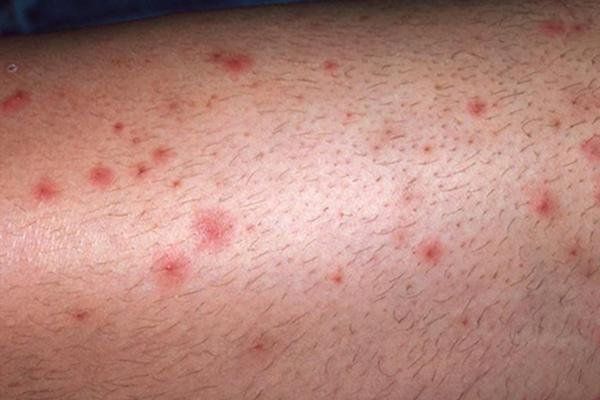
Don't Assume It Is Something Serious—but Don't Ignore Persistent Symptoms
Waking up with itchy red spots every night can certainly be concerning, but it doesn't automatically mean you have a serious disease.
In many cases, the explanation may be something relatively straightforward, such as dry skin, heat, an irritating product, an insect exposure, eczema, or another common skin condition.
At the same time, persistent symptoms deserve proper attention—particularly when there is no obvious trigger or when the rash is accompanied by other changes.
Rather than focusing on one frightening possibility, look for patterns and eliminate potential triggers one at a time. If the problem continues, a healthcare professional can examine your skin and determine whether further testing or treatment is appropriate.
Your skin can provide important clues, but recurring nighttime itching is a symptom - not a diagnosis. Finding the actual cause is the key to getting lasting relief.