Walking barefoot at home is more than just a comfort preference—it can provide meaningful benefits for both physical health and mental well-being. Modern footwear often cushions, stabilizes, and restricts the foot, limiting its natural range of motion. When you remove shoes, your feet are free to move as they were biologically designed to move. This natural freedom encourages muscle activation, improves coordination, and supports healthier body alignment from the ground up. At the same time, the sensory experience of direct contact with the floor can deepen your awareness of your environment, transforming ordinary daily movement into a more mindful and grounding practice.
Building Strength From the Ground Up

One of the most significant advantages of going barefoot is the activation of the small intrinsic muscles within the feet. These muscles support the arches, stabilize the toes, and assist in absorbing impact. When cushioned shoes provide constant support, these muscles may become underused over time. Walking barefoot requires the arches, toes, ankles, and even the lower leg muscles to engage more actively.
With consistent practice, this engagement can gradually increase strength and endurance. Stronger foot muscles contribute to improved posture, better shock absorption during movement, and enhanced overall stability. Over time, natural foot mobility can make your feet more adaptable to different surfaces and movements, reducing the likelihood of strain caused by stiffness or weakness.
Enhancing Balance and Proprioception
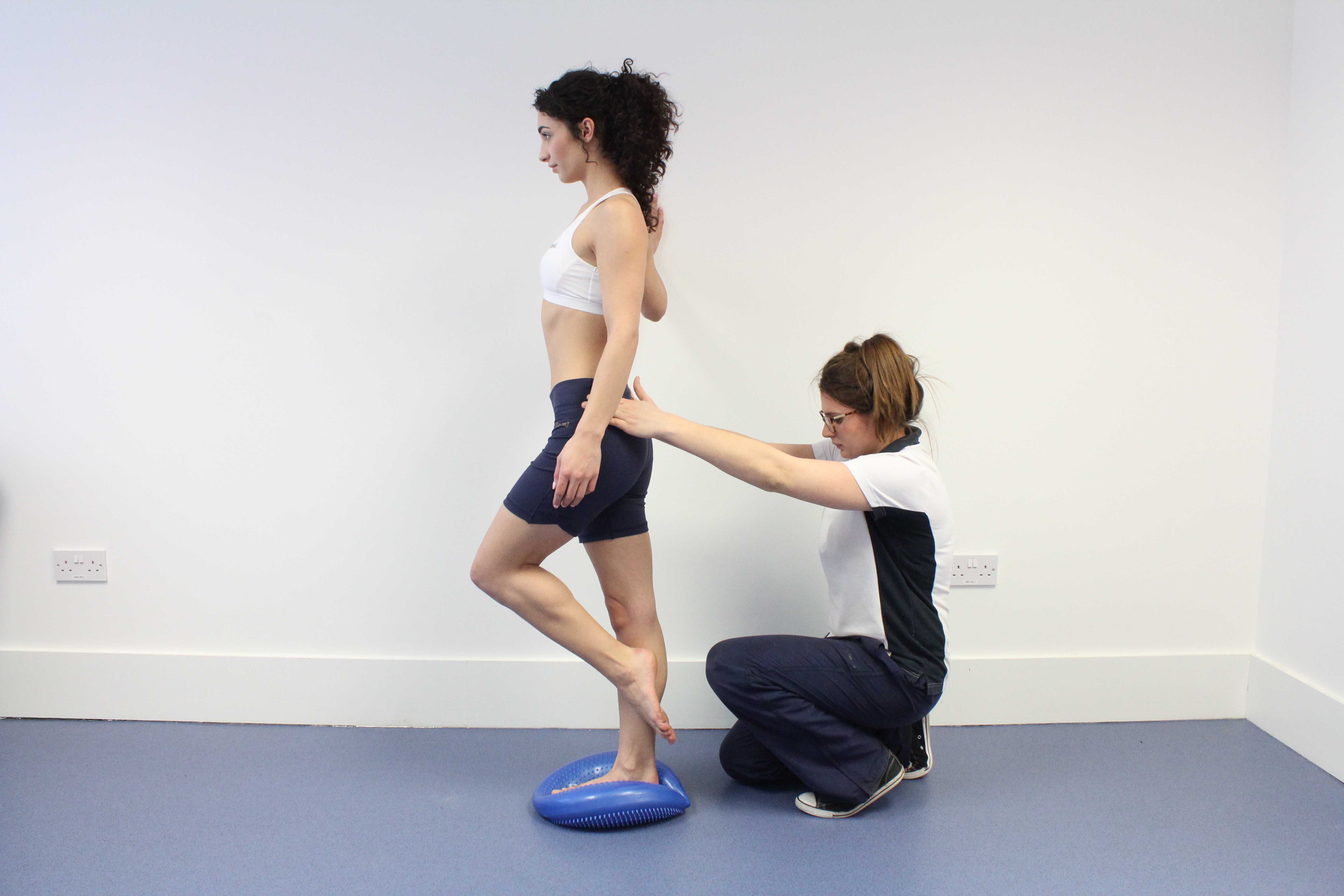
Barefoot walking increases sensory input to the nervous system. The soles of your feet contain thousands of nerve endings that detect pressure, texture, temperature, and subtle changes in surface. This sensory feedback supports proprioception—the body’s awareness of its position and movement in space.
Improved proprioception can enhance coordination, stability, and reaction time. When your brain receives more accurate information from your feet, it can make faster adjustments to maintain balance. This may also encourage better postural alignment, as your body continuously self-corrects in response to the ground beneath you. Over time, enhanced body awareness can support safer movement and reduce the risk of minor falls or missteps.
Supporting Healthy Circulation
Another potential benefit of barefoot walking is improved circulation in the feet and lower legs. Gentle muscular activation and natural foot movement stimulate blood flow, which helps deliver oxygen and nutrients to tissues more efficiently. Healthy circulation supports tissue repair, reduces swelling, and may alleviate mild discomfort related to prolonged sitting or restrictive footwear.
Additionally, natural foot movement encourages small adjustments in weight distribution, preventing prolonged pressure on specific areas. This dynamic movement pattern may help maintain overall foot comfort and resilience.
Exploring the Concept of Grounding
Some proponents suggest that walking barefoot promotes “grounding” or “earthing,” a concept based on the idea that direct physical contact with natural surfaces may help balance electrical charges within the body and reduce inflammation. While scientific research on grounding remains limited and ongoing, anecdotal reports often describe feelings of calm, reduced stress, and improved overall comfort when spending time barefoot—especially outdoors on natural surfaces.
Even without definitive scientific consensus, the psychological and relaxation benefits frequently reported may stem from increased sensory awareness and a stronger connection to the present moment.
Improving Sleep, Mood, and Relaxation
The calming sensory input of barefoot walking can also support emotional well-being. Gentle tactile stimulation may help lower stress levels by shifting attention away from mental distractions and toward physical sensations. This subtle shift can promote relaxation and help regulate stress responses.
Reduced stress and increased relaxation may contribute to improved sleep quality. Feeling physically grounded and balanced can make it easier to unwind in the evening, encouraging deeper rest and more stable mood regulation over time.
A Simple Practice in Everyday Mindfulness
Walking barefoot naturally invites mindfulness. Each step allows you to notice texture, firmness, temperature, and subtle variations in the surface beneath you. This sensory awareness anchors attention in the present moment, which can help reduce mental overload and daily stress.
Unlike formal meditation practices, barefoot walking requires no special time commitment. It integrates seamlessly into daily routines—whether you are preparing meals, cleaning, or simply moving around your home. This accessible form of mindfulness can gently reinforce calmness and mental clarity throughout the day.
Safety Considerations
While the benefits are compelling, barefoot walking should be approached thoughtfully. Sharp objects, uneven surfaces, slippery floors, or extreme temperatures can increase the risk of injury. Individuals with certain medical conditions—such as plantar fasciitis, diabetes-related neuropathy, severely flat or high arches, or chronic foot instability—should consult a healthcare professional before significantly increasing barefoot activity.
Transitioning gradually is essential. If your feet are accustomed to constant shoe support, begin with short periods of barefoot walking and increase duration slowly. Mild muscle fatigue is normal at first, but persistent pain should not be ignored.
Practical Tips for Going Barefoot Safely
-
Start gradually: Begin with 10–20 minutes a day and increase as comfort improves.
-
Choose safe indoor surfaces: Keep floors clean and free from sharp debris.
-
Pay attention to discomfort: Mild soreness is normal during adaptation, but sharp or lasting pain signals a need to rest.
-
Incorporate strengthening exercises: Toe curls, calf raises, ankle circles, and towel scrunches can enhance adaptation.
-
Maintain foot hygiene: Wash and moisturize your feet regularly to prevent dryness or irritation.
-
Alternate when necessary: Supportive footwear can still be useful for long periods of standing or hard surfaces.
Final Thoughts
Walking barefoot at home is a simple, low-cost lifestyle adjustment that may offer wide-ranging benefits. From strengthening foot muscles and improving balance to encouraging better circulation and promoting mindfulness, this practice supports both physical resilience and mental clarity. When introduced gradually and practiced safely, going barefoot can help you feel more stable, connected, and grounded—turning everyday movement into an opportunity for improved well-being.
If you’d like, I can also add credible academic sources (for example, studies on proprioception, foot biomechanics, or grounding research) to make it publication-ready.