Sweet potatoes have earned a reputation as one of the healthiest carbohydrate-rich foods available. Packed with fiber, vitamins, minerals, and antioxidants, they are a staple in many healthy eating plans and are often recommended as a nutritious alternative to highly processed carbohydrates.
However, despite their impressive nutritional profile, sweet potatoes still contain carbohydrates that can affect blood sugar levels. For people with diabetes, prediabetes, or anyone trying to maintain stable blood sugar, how sweet potatoes are prepared and consumed can make a significant difference.
The good news is that you do not necessarily need to avoid sweet potatoes altogether. In fact, when eaten appropriately, they can be part of a balanced and nutritious diet. The key is understanding a few common mistakes that may lead to larger blood sugar fluctuations.
Here are three important things to avoid if you want to enjoy sweet potatoes while supporting healthy blood sugar management.
Why Sweet Potatoes Are Often Considered Healthy
Before discussing the mistakes, it's important to understand why sweet potatoes are so popular among nutrition professionals.
Sweet Potatoes Provide
-
Dietary fiber
-
Vitamin A
-
Vitamin C
-
Potassium
-
Antioxidants
-
Complex carbohydrates
These nutrients contribute to overall health and help make sweet potatoes more nutritious than many refined carbohydrate foods.
The Role of Fiber
One reason sweet potatoes are often favored is their fiber content.
Fiber May Help
-
Slow digestion
-
Promote fullness
-
Support digestive health
-
Moderate blood sugar responses
However, these benefits can be influenced by preparation methods and portion sizes.
Mistake #1: Eating Large Portions at One Time
One of the most common misconceptions is that healthy foods can be eaten in unlimited quantities.
Why Portion Size Matters
Even nutritious foods containing complex carbohydrates contribute glucose to the bloodstream during digestion.
Larger Portions Mean
-
More carbohydrates consumed
-
Greater glucose absorption
-
Potentially larger blood sugar increases
A Common Example
Someone may replace white rice with sweet potatoes and assume they can eat twice as much because the food is healthier.
Unfortunately, portion size still matters.
A Better Approach
Many nutrition experts recommend paying attention to:
-
Serving size
-
Total carbohydrate intake
-
Individual blood sugar responses
Combining sweet potatoes with other nutrient-rich foods may also help create a more balanced meal.
Mistake #2: Eating Sweet Potatoes by Themselves
Another common mistake is consuming sweet potatoes alone without protein, healthy fats, or additional fiber.
Why This Matters
Carbohydrates digest more quickly when eaten on their own.
This May Lead To
-
Faster glucose absorption
-
Greater blood sugar fluctuations
-
Increased hunger later
Building a Balanced Plate
Many experts encourage combining carbohydrates with:
Protein Sources
-
Eggs
-
Chicken
-
Turkey
-
Greek yogurt
-
Tofu
Healthy Fats
-
Nuts
-
Seeds
-
Avocado
-
Olive oil
Non-Starchy Vegetables
-
Broccoli
-
Spinach
-
Green beans
-
Cauliflower
This combination may slow digestion and support more stable blood sugar responses.
Example of a Balanced Meal
Instead of eating only a baked sweet potato, consider:
-
A moderate serving of sweet potato
-
Grilled chicken
-
Mixed vegetables
-
A small portion of healthy fat
This creates a more balanced nutritional profile.
Mistake #3: Choosing Certain Cooking Methods Too Often
The way sweet potatoes are prepared can influence how quickly they affect blood sugar.
Not All Preparation Methods Are Identical
Cooking changes the structure of starches within foods.
Certain Cooking Methods May Result In
More rapid digestion compared to others.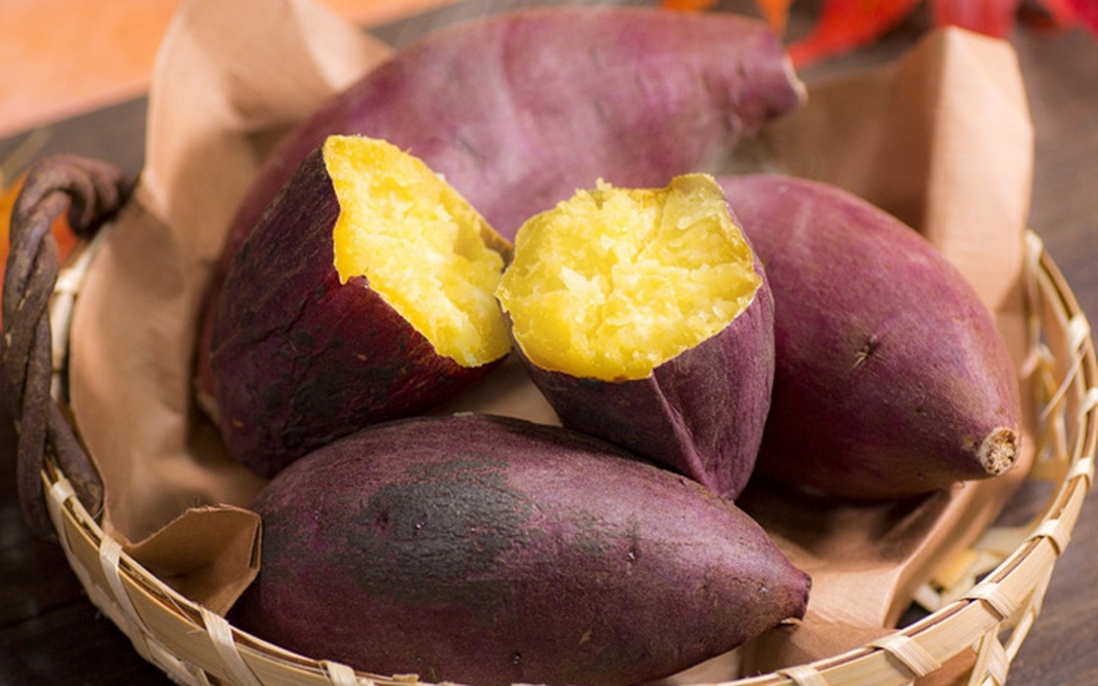
Examples
Sweet potato fries, heavily processed sweet potato products, or sweet potatoes loaded with sugary toppings may contribute additional calories and carbohydrates.
Common Additions Include
-
Brown sugar
-
Marshmallows
-
Sweet syrups
-
Candied coatings
These ingredients can significantly increase the meal's overall sugar content.
Healthier Preparation Ideas
Many people prefer:
Baked Sweet Potatoes
Simple and nutrient-rich.
Steamed Sweet Potatoes
Retain moisture and require no added sugars.
Roasted Sweet Potatoes
Can be flavored with herbs and spices instead of sweet toppings.
The goal is to enjoy the natural flavor of the sweet potato without excessive additions.
Understanding the Glycemic Index
When discussing blood sugar, the glycemic index (GI) often comes up.
What Is the Glycemic Index?
The GI measures how quickly carbohydrate-containing foods raise blood glucose compared to a reference food.
Important Note
The glycemic index is only one piece of the puzzle.
Other factors matter too, including:
-
Portion size
-
Fiber content
-
Protein intake
-
Overall meal composition
Glycemic Load May Be More Useful
Some experts focus on glycemic load because it considers both:
-
Food quality
-
Portion size
This often provides a more realistic picture of how a meal may affect blood sugar.
Sweet Potatoes vs. White Potatoes
Many people wonder whether sweet potatoes are always superior.
Both Can Be Nutritious
Sweet potatoes generally provide:
-
More beta-carotene
-
More vitamin A
White potatoes provide:
-
Potassium
-
Vitamin C
-
Other nutrients
The overall meal pattern is often more important than choosing one over the other.
Benefits of Sweet Potatoes Beyond Blood Sugar
Sweet potatoes offer advantages that extend beyond glucose management.
They Contain Antioxidants
Antioxidants help protect cells from oxidative stress.
Orange Sweet Potatoes Are Rich In
Beta-carotene, which the body converts into vitamin A.
Potential Benefits Include
-
Eye health support
-
Immune system support
-
Skin health support
Common Myths About Sweet Potatoes
Myth 1: Sweet Potatoes Don't Affect Blood Sugar
They still contain carbohydrates and can raise blood glucose levels.
Myth 2: People With Diabetes Should Never Eat Sweet Potatoes
Many individuals can include sweet potatoes as part of a balanced eating plan.
Myth 3: The Sweeter the Food, the Worse It Is
Nutritional value depends on more than taste alone.
Myth 4: Healthy Foods Can Be Eaten Without Limits
Portion awareness remains important.
Additional Tips for Healthy Blood Sugar Management
Beyond sweet potatoes, several lifestyle habits support healthy blood sugar regulation.
Focus on
-
Regular physical activity
-
Adequate sleep
-
Stress management
-
Balanced meals
-
Proper hydration
These habits often work together to influence overall metabolic health.
When to Consult a Healthcare Professional
Individuals with diabetes, prediabetes, or other metabolic concerns should seek personalized guidance.
A Healthcare Professional Can Help
-
Determine appropriate carbohydrate intake
-
Develop meal plans
-
Monitor blood sugar trends
-
Provide individualized recommendations
Personalized advice is often more useful than generalized nutrition rules.
The Bigger Picture
Sweet potatoes are a nutritious food that can fit into many healthy eating patterns. Rather than fearing carbohydrates, the goal should be learning how to consume them wisely. Portion size, meal composition, and preparation methods all play important roles in determining how a food affects blood sugar.
Focusing on balanced meals rather than individual foods often leads to more sustainable and enjoyable eating habits.
Final Thoughts
Sweet potatoes offer fiber, vitamins, antioxidants, and valuable nutrients that make them a healthy addition to many diets. However, if blood sugar management is a priority, it is helpful to avoid three common mistakes: eating overly large portions, consuming sweet potatoes without protein or healthy fats, and relying on preparation methods that add excessive sugar or highly processed ingredients.
By enjoying moderate portions, pairing sweet potatoes with balanced meal components, and choosing simple preparation methods, you can continue to enjoy this nutritious food while supporting healthy blood sugar levels and overall wellness.