
7 Common Symptoms of Hormonal Imbalance in Women
7 Signs of Female Hormonal Imbalance Every Woman Should Know
Health 07/03/2026 02:44
Weight management treatments have evolved significantly over the years, offering individuals various medical options to help support weight loss. One of the less invasive procedures available today is the gastric balloon. This device is commonly used as a temporary tool to assist people in losing weight when diet and exercise alone have not been sufficient. While gastric balloons are generally considered safe when used under medical supervision, many people are curious about what might happen if a gastric balloon breaks or deflates inside the stomach.
Understanding how gastric balloons work and what occurs if they rupture can help reduce anxiety and promote informed decision-making for those considering this procedure.
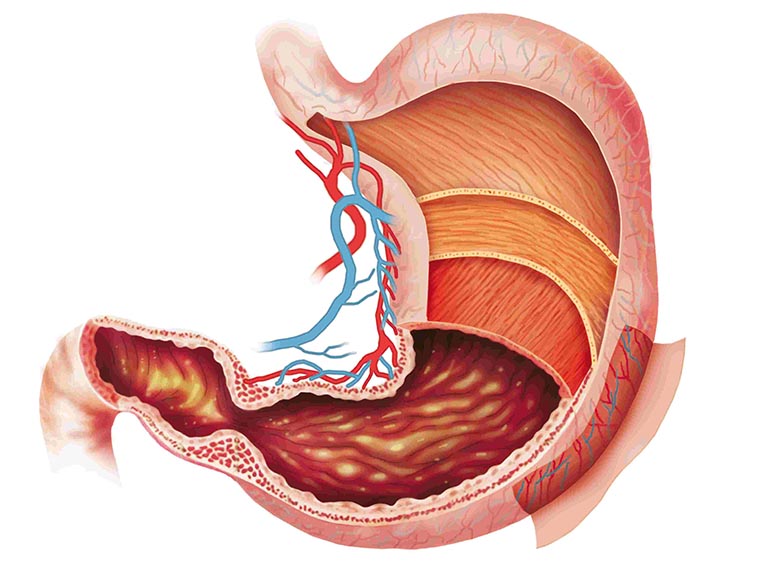
What Is a Gastric Balloon?
A gastric balloon is a soft, expandable medical device that is placed inside the stomach to help reduce food intake. The procedure is typically performed without surgery. A deflated balloon is inserted through the mouth using an endoscope and then filled with sterile saline or gas once it reaches the stomach.
Once inflated, the balloon occupies space in the stomach. This helps people feel full sooner when eating smaller portions of food. As a result, individuals may reduce calorie intake and gradually lose weight over time.
Most gastric balloons are designed to remain in the stomach for about six months before being removed by a healthcare professional.
How Often Do Gastric Balloons Break?
Modern gastric balloons are manufactured with durable medical-grade materials designed to withstand stomach acids and daily digestive activity. Because of these safety standards, balloon rupture is relatively uncommon.
However, like any medical device, complications can occasionally occur. Over time, exposure to stomach acid and mechanical pressure may weaken the balloon material. In rare cases, this may lead to leakage or deflation.
Medical professionals closely monitor patients during treatment to detect any potential issues early.
Signs That a Gastric Balloon May Have Deflated
Many gastric balloons are filled with saline solution that contains a harmless blue dye called methylene blue. This dye acts as an early warning system in case the balloon leaks.
If the balloon begins to leak, the dye may be absorbed by the body and eventually appear in the urine. A noticeable change in urine color—often turning blue or green—can signal that the balloon has deflated.
Other possible signs may include a sudden decrease in the feeling of fullness during meals or unexpected hunger returning sooner than usual.
These warning signs allow patients to seek medical attention promptly before further complications develop.
What Happens If the Balloon Deflates?
If a gastric balloon loses its fluid and deflates, it becomes much smaller. In many cases, the deflated balloon may simply remain in the stomach until it is safely removed by a doctor.
However, in rare situations, the deflated balloon could pass from the stomach into the small intestine. If this happens, there is a small possibility that it could cause an intestinal blockage.
Intestinal blockage is considered a medical complication and would require prompt medical attention. Symptoms of blockage may include severe abdominal pain, vomiting, or difficulty passing stool.
Fortunately, modern balloon designs aim to minimize this risk, and early detection usually allows doctors to remove the device before complications occur.
How Doctors Manage a Deflated Gastric Balloon
If a gastric balloon is suspected to have ruptured or deflated, doctors typically confirm the situation through imaging tests or endoscopic examination.
In most cases, the solution is relatively straightforward. A medical professional can remove the deflated balloon using an endoscopic procedure similar to the one used for placement. This procedure does not usually require surgery and is performed using specialized medical instruments.
Once removed, the doctor will evaluate the patient’s condition and discuss possible next steps in their weight management plan.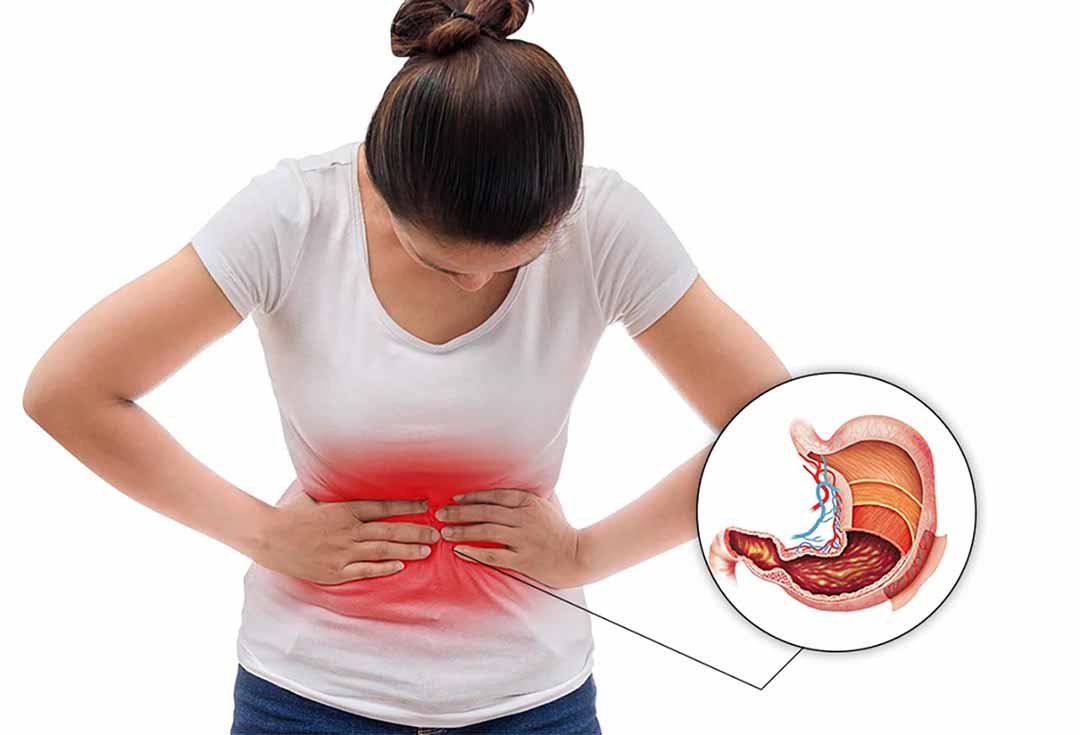
Why Regular Medical Follow-Up Is Important
Patients who receive a gastric balloon are usually required to attend regular follow-up appointments. These visits allow healthcare providers to monitor progress, evaluate digestive health, and detect any potential complications early.
Follow-up care also includes guidance on nutrition, lifestyle habits, and physical activity. Because the gastric balloon is only a temporary tool, long-term success depends on building sustainable healthy habits.
These regular checkups help ensure that the device remains safe and effective throughout the treatment period.
Safety Improvements in Modern Gastric Balloons
Medical technology continues to improve the safety and effectiveness of weight management devices. Many newer gastric balloons include design improvements that help reduce the risk of rupture or migration.
Some devices use stronger materials or multiple protective layers, while others use gas instead of liquid to reduce pressure inside the balloon. These innovations help improve comfort and minimize potential complications.
Additionally, strict guidelines regulate the placement and monitoring of gastric balloons, ensuring that patients receive proper care during treatment.
When to Seek Medical Attention
Anyone with a gastric balloon should contact their healthcare provider if they experience unusual symptoms such as sudden abdominal pain, persistent nausea, vomiting, or significant changes in appetite.
Changes in urine color—especially blue or green—should also be reported promptly because they may indicate a leak in the balloon.
Early medical evaluation allows doctors to address potential problems quickly and reduce the risk of complications.
Conclusion
Gastric balloons are widely used as a non-surgical option to support weight loss, and they are generally considered safe when placed and monitored by qualified medical professionals. While balloon rupture or deflation is uncommon, it is still important to understand what could happen if such a situation occurs.
In most cases, a deflated balloon can be safely removed through a simple medical procedure. Early warning signs, such as changes in urine color or sudden changes in appetite, help doctors detect problems quickly.
With proper medical supervision, regular follow-up care, and awareness of potential symptoms, gastric balloon treatment can remain a safe and effective tool for individuals working toward healthier weight management goals.
7 Signs of Female Hormonal Imbalance Every Woman Should Know

Wearing socks while sleeping might sound like a small or even strange habit, but it actually has surprising benefits for your body and your overall health — especially when it comes to improving the quality of your sleep.

Do You Sleep on Your Side? Here’s the Powerful Effect One Simple Change Can Have on Your Body
Kidney disease is a serious medical issue with an unfortunate prevalence in our society.

Clogged arteries are more common than most people realize — and they can silently put your heart at risk.

In recent months, a sobering trend has emerged that has left both the public and the medical community reeling: end-stage renal disease (ESRD), once considered a condition of the elderly, is now showing up in people in their 20s—and even teenagers.

Gyan Mudra, an elegant hand gesture with deep roots in yoga, has been treasured for centuries for its ability to calm the mind and sharpen focus.
Avocados are rich in nutrients that support heart and body health.
Attention! This Lump may appear due to something you do everyday
Plant in the Bible Said to Heal All Ailments
what-happens-when-you-eat-three-whole-eggs-every-day-the-results-may-surprise-you

Back, side, or stomach? One of these sleep positions may be hurting your spine.
If you feel these changes in your body, oxygen levels might be the reason.

If your body shows these signs, sugar might be the problem.

Beets are rich in nutrients that support vision, digestion, and health.

People Who May Need to Limit or Avoid Sweet Potatoes

Beets may look simple, but they offer powerful health benefits.

Cloves Are Common, But the Power of Clove Water May Surprise You
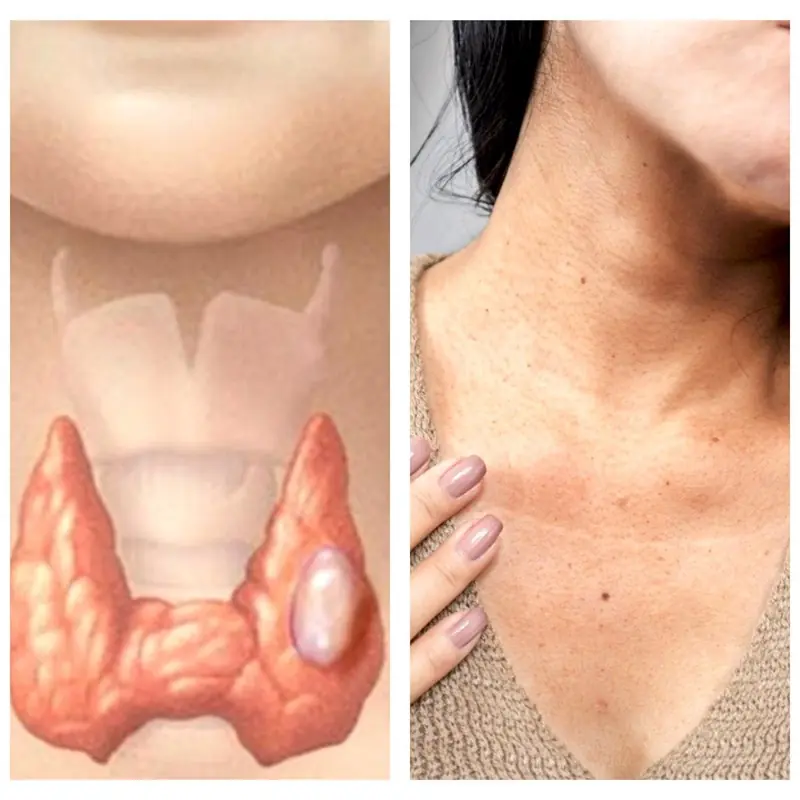
6 Foods You Should Avoid to Protect Your Thyroid
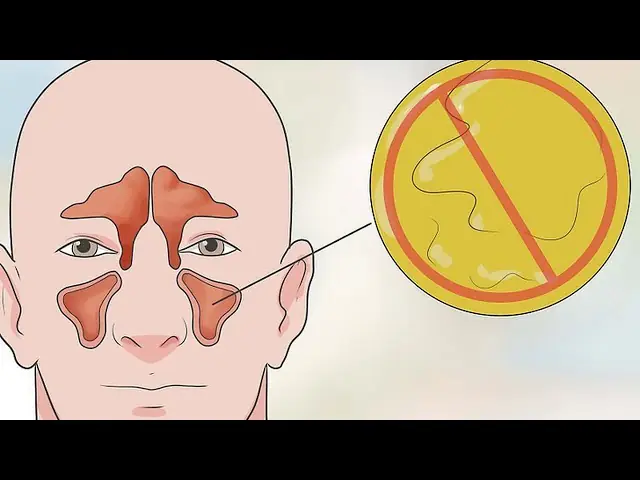
Frequent Mucus in Your Throat? Here Are the Common Causes
One simple ingredient can help refresh a dirty mop quickly.
Storing cooked rice incorrectly can lead to food safety risks.
7 Signs of Female Hormonal Imbalance Every Woman Should Know
Wearing socks while sleeping might sound like a small or even strange habit, but it actually has surprising benefits for your body and your overall health — especially when it comes to improving the quality of your sleep.
Do You Sleep on Your Side? Here’s the Powerful Effect One Simple Change Can Have on Your Body
Kidney disease is a serious medical issue with an unfortunate prevalence in our society.
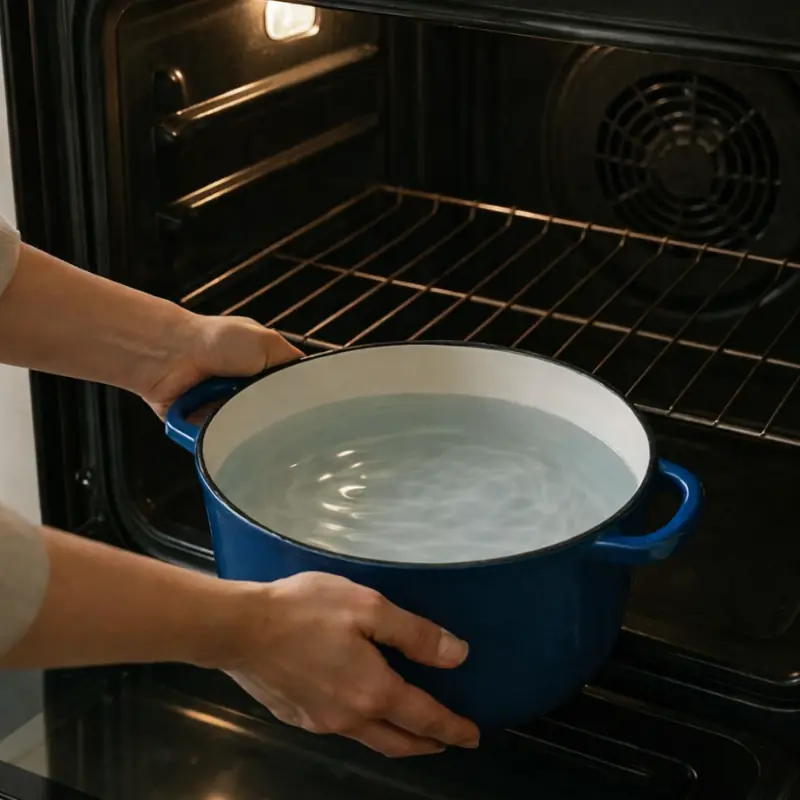
A simple steam trick can make oven cleaning much easier.
Clogged arteries are more common than most people realize — and they can silently put your heart at risk.
In recent months, a sobering trend has emerged that has left both the public and the medical community reeling: end-stage renal disease (ESRD), once considered a condition of the elderly, is now showing up in people in their 20s—and even teenagers.
Gyan Mudra, an elegant hand gesture with deep roots in yoga, has been treasured for centuries for its ability to calm the mind and sharpen focus.
Avocados are rich in nutrients that support heart and body health.
A Simple Image That Reminds Us How Perspective Shapes the Way We See the World
Attention! This Lump may appear due to something you do everyday
Plant in the Bible Said to Heal All Ailments
what-happens-when-you-eat-three-whole-eggs-every-day-the-results-may-surprise-you
Back, side, or stomach? One of these sleep positions may be hurting your spine.
If you feel these changes in your body, oxygen levels might be the reason.
If your body shows these signs, sugar might be the problem.

11 signs your dog may be nearing the end — every owner should know this.
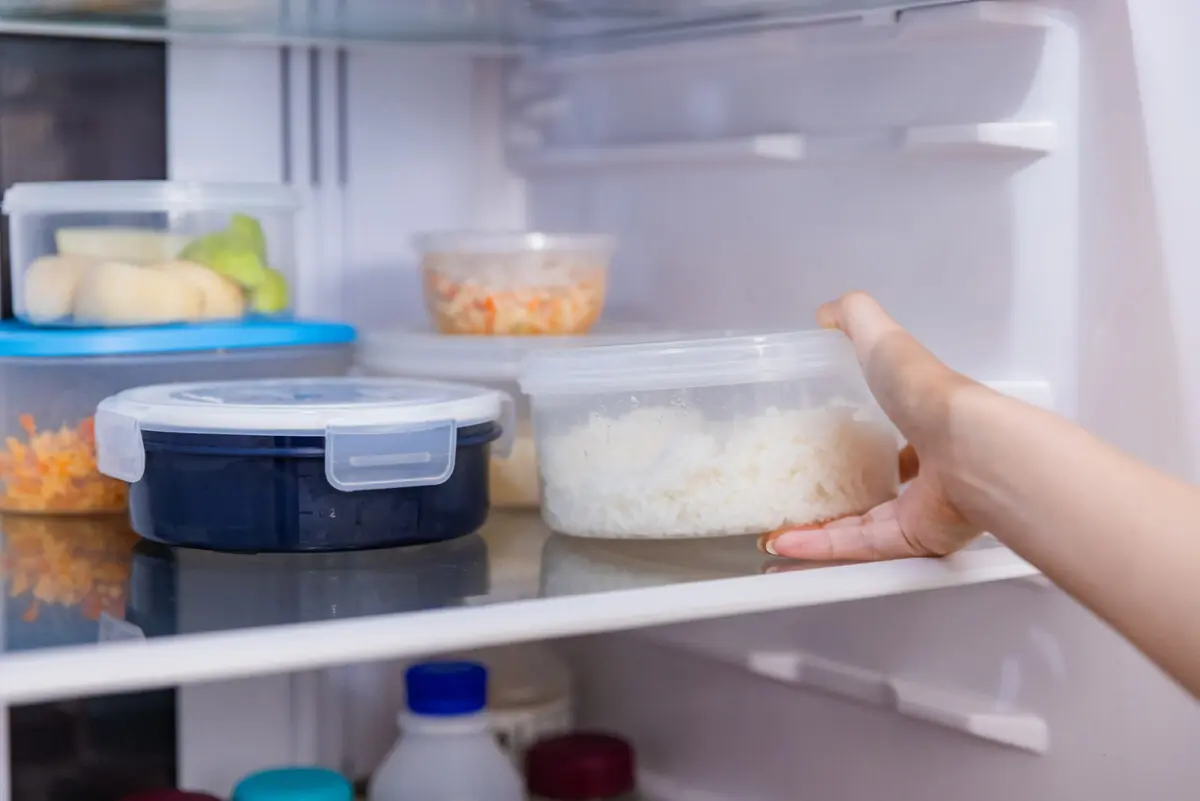
Never store cooked rice this way — most people do it wrong.