Guava is one of those fruits that many people enjoy without realizing just how much nutrition it contains. With its distinctive fragrance, naturally sweet flavor, and slightly crunchy texture, this tropical fruit is a familiar sight in markets and kitchens around the world.
Some people enjoy eating it fresh with a little salt, while others add it to fruit salads, smoothies, juices, or homemade desserts. It is inexpensive, widely available in many tropical regions, and easy to incorporate into everyday meals.
But guava is more than just a refreshing snack.
Behind its green or yellow skin and pale or pink flesh is an impressive combination of nutrients, including vitamin C, dietary fiber, potassium, and naturally occurring plant compounds. These substances contribute to several important functions in the human body.
In fact, eating guava regularly as part of a balanced diet may support digestion, help maintain normal immune function, contribute to healthy blood pressure, and provide antioxidants that protect cells from oxidative stress.
Some of its potential benefits may be particularly interesting to people who want to improve their eating habits without relying on expensive supplements or complicated diets.
However, there are also a few things worth understanding. Guava contains natural sugars, its fiber content may cause discomfort when consumed in excessive amounts, and certain individuals may need to consider their medical conditions or medications when making dietary changes.
So, what actually happens when you eat guava?
Can this humble tropical fruit really make a difference to your health? And is eating it every day a good idea?
Let's take a closer look at what science and nutrition tell us.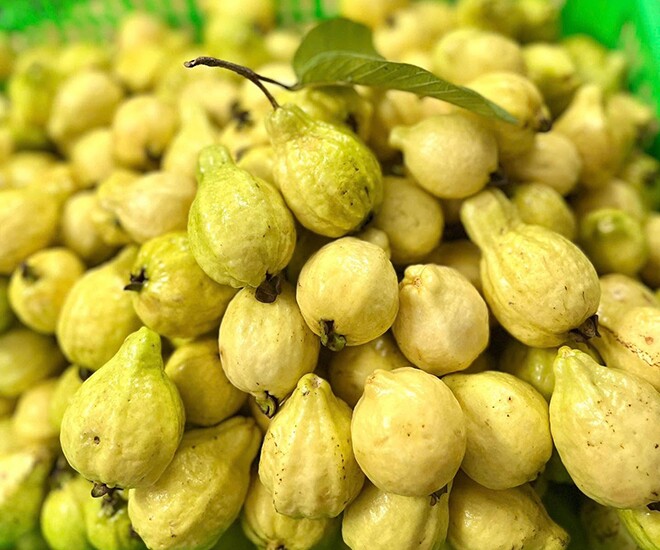
Chapter 1: Guava Is Surprisingly Rich in Vitamin C
One of the most impressive nutritional characteristics of guava is its vitamin C content.
Many people immediately think of oranges, lemons, or other citrus fruits when discussing vitamin C. However, guava is also an exceptionally rich source of this essential nutrient.
Depending on the variety and growing conditions, a 100-gram serving of fresh guava can provide considerably more vitamin C than the same amount of orange.
This makes guava a particularly useful fruit for people who want to increase their vitamin C intake through ordinary foods.
Why does your body need vitamin C?
Vitamin C performs several important functions.
First, it contributes to normal immune system function. It supports the activity of various immune cells and helps the body maintain its natural defenses.
Second, vitamin C is essential for collagen production.
Collagen is a structural protein found throughout the body. It helps provide strength and support to the skin, blood vessels, cartilage, bones, and other connective tissues.
Without sufficient vitamin C, the body cannot produce collagen normally. Severe deficiency can eventually lead to scurvy, a condition associated with bleeding gums, poor wound healing, fatigue, and other serious symptoms.
Third, vitamin C acts as an antioxidant.
Everyday metabolic processes and environmental exposures can generate unstable molecules known as free radicals. When these molecules accumulate excessively, they may contribute to oxidative stress, which can damage cellular structures.
Vitamin C helps protect cells against oxidative damage.
What does this mean when you eat guava?
Including guava in your diet can help provide the vitamin C your body needs for these normal functions.
It may be especially useful for people whose diets contain relatively few fresh fruits and vegetables.
Vitamin C also improves the absorption of non-heme iron, the type of iron found in plant-based foods. Eating guava alongside foods such as beans, lentils, or leafy vegetables can therefore help the body absorb iron more efficiently.
This is one reason guava can be a valuable addition to meals rather than simply a sweet snack.
However, eating more vitamin C does not automatically prevent infections or guarantee that you will never become sick. Its benefits are best understood as part of an overall healthy eating pattern.
Chapter 2: Your Digestive System May Benefit From Guava's Fiber
Another reason guava deserves attention is its dietary fiber content.
Fiber is an essential component of a healthy diet, yet many people do not consume enough of it.
Modern eating habits often include large amounts of refined grains, processed snacks, and foods that contain relatively little fiber. Over time, this can make it difficult to meet recommended daily fiber intake.
Guava offers a convenient way to add more fiber to your meals.
How does fiber support digestion?
Dietary fiber is the part of plant foods that the body cannot fully digest.
Instead of being broken down and absorbed like many other nutrients, fiber moves through the digestive tract and contributes to normal bowel function.
Some types of fiber help increase stool bulk, while others can retain water and make stools softer.
These effects can support regular bowel movements and help reduce the likelihood of constipation.
Guava contains both soluble and insoluble fiber.
Soluble fiber can absorb water and form a gel-like substance in the digestive tract. Insoluble fiber adds bulk and helps support the movement of material through the intestines.
Together, these fibers contribute to digestive health.
Guava and the gut microbiome
There is another interesting aspect of fiber.
Certain types of dietary fiber serve as food for beneficial bacteria living in the large intestine.