However, the nutritional characteristics of juice can differ significantly from those of the whole fruit.
When guava is blended and strained, some of its fiber may be removed.
Commercial guava drinks may also contain added sugar, syrups, or other ingredients that increase their calorie and carbohydrate content.
Why whole guava is often the better choice
Eating the whole fruit provides fiber and requires more chewing.
It also makes portion control easier for many people.
Juice can be consumed quickly, making it possible to take in the equivalent of several fruits in a short period.
For people monitoring blood glucose or calorie intake, this difference can be important.
If you enjoy guava juice, consider making it without added sugar and keeping the serving moderate.
However, for everyday nutrition, fresh whole guava is generally the more useful option.
Chapter 14: Simple Ways to Add More Guava to Your Diet
One reason guava is so practical is that it can be enjoyed in several different ways.
You do not need complicated recipes to benefit from its nutrients.
Here are a few simple ideas:
Fresh guava slices: Wash the fruit thoroughly, cut it into slices, and enjoy it as a snack.
Guava and yogurt: Combine chopped guava with plain yogurt for a refreshing snack containing fiber and protein.
Fruit salad: Mix guava with papaya, berries, oranges, or other seasonal fruits.
Guava smoothie: Blend fresh guava with plain yogurt or milk without adding unnecessary sugar.
Guava with breakfast: Add a small portion of chopped guava alongside oatmeal or whole-grain toast.
Savory guava salad: Combine sliced guava with cucumber, fresh herbs, and a light dressing.
These options make it easier to enjoy guava without relying on sugary desserts or processed fruit drinks.
Remember to wash the fruit under clean running water before cutting or eating it.
Chapter 15: The Difference Between Eating Guava and Taking Guava Supplements
Guava extracts and supplements are sometimes marketed for their potential effects on blood sugar, cholesterol, and other health markers.
Some preliminary studies have investigated guava leaf extracts and compounds found in different parts of the plant.
However, research involving concentrated extracts is not the same as research involving ordinary servings of fresh fruit.
The dose, composition, and biological effects may be very different.
A supplement containing guava leaf extract should not be assumed to have the same effects as eating a whole guava.
Furthermore, supplements may interact with medications or produce unwanted effects.
People taking diabetes medication or treatment for other chronic conditions should speak with a healthcare professional before using concentrated herbal products.
For most people, the simplest approach is to enjoy fresh guava as food rather than treating it as a medicinal product.
Chapter 16: How to Choose and Store Fresh Guava
Getting the most enjoyment from guava also depends on choosing fruit at the right stage of ripeness.
When shopping, look for guavas that feel firm but give slightly when gently pressed, depending on the variety.
The skin should generally be intact, without extensive bruising, mold, or signs of decay.
Ripe guava often has a noticeable sweet fragrance.
Some varieties remain green even when ripe, so color alone is not always a reliable indicator.
If the fruit is still firm, it can be left at room temperature until it ripens.
Once ripe, guava can be refrigerated to slow further ripening and preserve its quality for a few more days.
Cut guava should be stored in a clean, covered container in the refrigerator and consumed promptly.
Avoid eating fruit that develops mold, an unpleasant odor, or an unusual slimy texture.
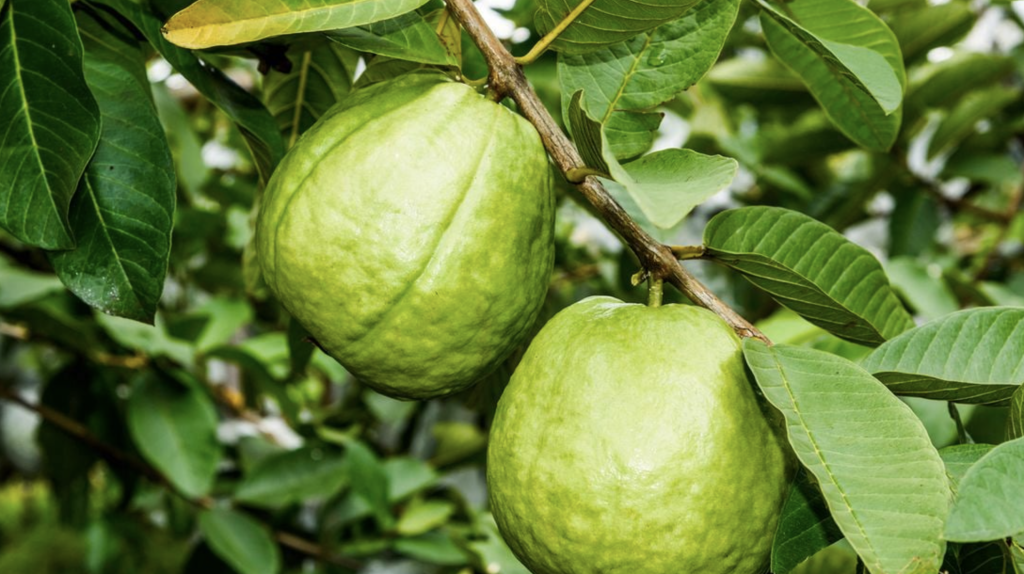
Final Thoughts: A Small Tropical Fruit With Remarkable Nutritional Value
Guava may look like an ordinary tropical fruit, but its nutritional profile makes it a valuable addition to a balanced diet.
Its vitamin C content supports normal immune function and collagen production. Its fiber contributes to digestive health and may help support healthy cholesterol and blood glucose regulation. Its potassium contributes to normal cardiovascular function, while its antioxidants add to the variety of protective plant compounds found in a healthy diet.
It can also help make meals more satisfying and provide vitamin C that improves the absorption of iron from plant-based foods.
However, it is important to maintain realistic expectations.
Eating guava does not cure diabetes, eliminate high cholesterol, prevent every infection, or reverse aging. Its benefits come from the nutrients it provides as part of a broader healthy lifestyle.
For most people, enjoying fresh guava in moderate portions is a simple and affordable way to improve the nutritional quality of everyday meals.
People with diabetes, chronic kidney disease, digestive conditions, or food allergies may need to consider their individual circumstances, but these conditions do not automatically mean that everyone must avoid guava.
The next time you see this familiar green fruit at the market, remember that it offers much more than a pleasant taste.
Sometimes, improving your diet does not require expensive products or complicated routines. It can begin with something as simple as choosing a piece of fresh fruit.
Guava is not a miracle food, but its combination of fiber, vitamin C, potassium, and antioxidants makes it a surprisingly nutritious choice worth including in a varied and balanced diet.