This is where antioxidants become important.
Guava contains several naturally occurring antioxidant compounds, including vitamin C, carotenoids, and polyphenols.
The exact composition varies according to the variety of guava and the color of its flesh.
What makes pink guava interesting?
Pink-fleshed guava contains carotenoid pigments, including lycopene in some varieties.
Lycopene is a naturally occurring compound also found in tomatoes and certain other red or pink fruits.
It has been studied for its antioxidant properties and possible relationship with long-term health.
White-fleshed and pink-fleshed guavas both provide valuable nutrients, although their specific plant compound profiles differ.
Why should you care about antioxidants?
Oxidative stress has been associated with aging and several chronic diseases.
A diet containing a wide variety of antioxidant-rich plant foods can help support the body's natural defenses.
However, antioxidant supplements do not necessarily produce the same effects as eating whole foods.
Fruits and vegetables contain complex combinations of fiber, vitamins, minerals, and plant compounds that work together within the context of the overall diet.
This is why nutrition experts generally recommend obtaining antioxidants from foods rather than relying on high-dose supplements without a medical reason.
Guava is a convenient way to add more of these compounds to your daily meals.
Chapter 6: Your Skin May Benefit From Regular Guava Consumption
Healthy skin depends on several factors, including genetics, age, hydration, sun exposure, sleep, and nutrition.
While skincare products can help maintain the skin's outer barrier, nutrients from food also contribute to normal skin function.
Guava provides two particularly relevant nutrients: vitamin C and carotenoids.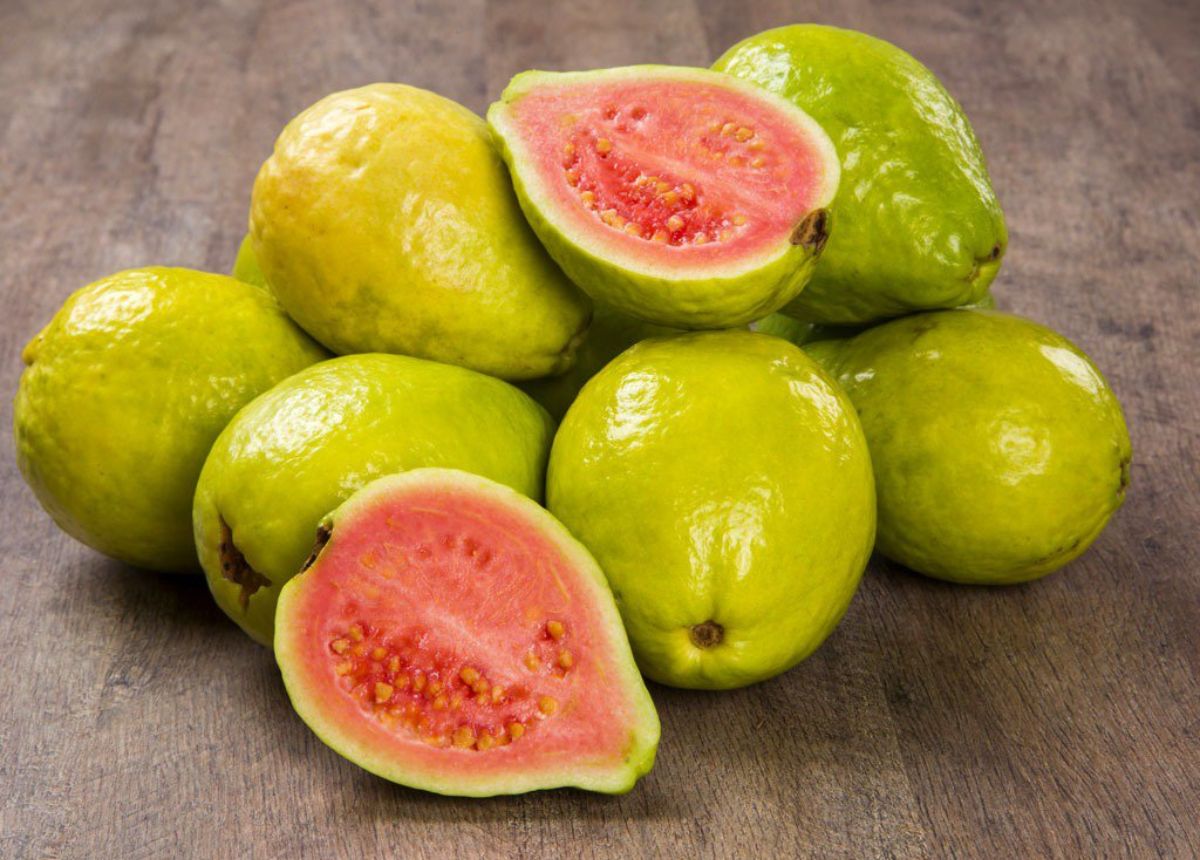
Vitamin C and collagen production
Collagen helps maintain the structure and strength of the skin.
As people age, natural collagen production and skin elasticity gradually change.
Vitamin C is required for normal collagen synthesis, which is why adequate intake is important for maintaining healthy connective tissue.
Eating vitamin C-rich foods such as guava can help supply this nutrient.
However, eating guava will not instantly remove wrinkles, erase dark spots, or reverse skin aging.
Its role is nutritional rather than cosmetic.
Antioxidants and environmental stress
The skin is continuously exposed to environmental factors, including sunlight and air pollution.
These exposures can contribute to oxidative stress.
Antioxidants from a balanced diet help support the body's protective mechanisms, although they do not replace sunscreen or other appropriate sun-protection measures.
A diet containing guava, berries, leafy greens, carrots, and other colorful plant foods can contribute to overall nutritional support for the skin.
Does guava help wounds heal?
Vitamin C contributes to normal collagen production and tissue repair.
Severe vitamin C deficiency can impair wound healing.
Therefore, maintaining adequate vitamin C intake is important for normal recovery from injuries.
However, guava should not be used as a treatment for infected wounds, chronic ulcers, or other medical skin problems.
If a wound is not healing normally, professional medical evaluation is necessary.
Chapter 7: Guava Supports Normal Immune Function
The immune system is a complex network involving cells, tissues, organs, and chemical signals.
It protects the body against harmful microorganisms while helping maintain a balance between defense and inflammation.
Nutrition plays an important role in maintaining normal immune function.
Guava contributes several nutrients involved in this process, particularly vitamin C.
How does vitamin C support immunity?
Vitamin C supports the function of several immune cells, including cells involved in identifying and responding to pathogens.
It also contributes to the maintenance of normal skin and other protective barriers.
These barriers are important because they help prevent harmful microorganisms from entering the body.
Vitamin C also has antioxidant properties that help protect cells from oxidative damage during normal immune activity.
Can guava prevent colds and flu?
There is no strong evidence that eating guava alone prevents respiratory infections.
Adequate vitamin C intake is important for health, but it should not be confused with immunity against every virus or bacterium.
Some research suggests that regular vitamin C supplementation may modestly shorten the duration of common colds in certain populations, but this does not mean that eating large amounts of guava will prevent illness.
A balanced diet, adequate sleep, regular physical activity, appropriate vaccination, and good hygiene remain important components of overall health.
Guava can contribute valuable nutrients, but it is not a substitute for these measures.
Chapter 8: Guava May Help You Feel Fuller Between Meals
If you frequently feel hungry shortly after eating, the composition of your meals may be worth examining.
Meals containing sufficient protein, fiber, and water-rich foods often provide greater satisfaction than meals based mainly on refined carbohydrates.
Guava can contribute to this effect because it contains fiber and has a relatively high water content.
Why fiber helps with fullness
Fiber adds volume to food without contributing as much digestible energy as many other nutrients.
It can also slow digestion and help you feel satisfied for longer.
A whole guava takes time to chew, which may make it more satisfying than drinking fruit juice quickly.
This can be useful for people trying to improve portion control or reduce their dependence on highly processed snacks.
Is guava a weight-loss food?
Guava can fit into a weight-management plan, but no individual fruit causes fat loss by itself.
Weight management depends on the overall balance between energy intake and energy expenditure, as well as sleep, physical activity, genetics, medications, and other health factors.