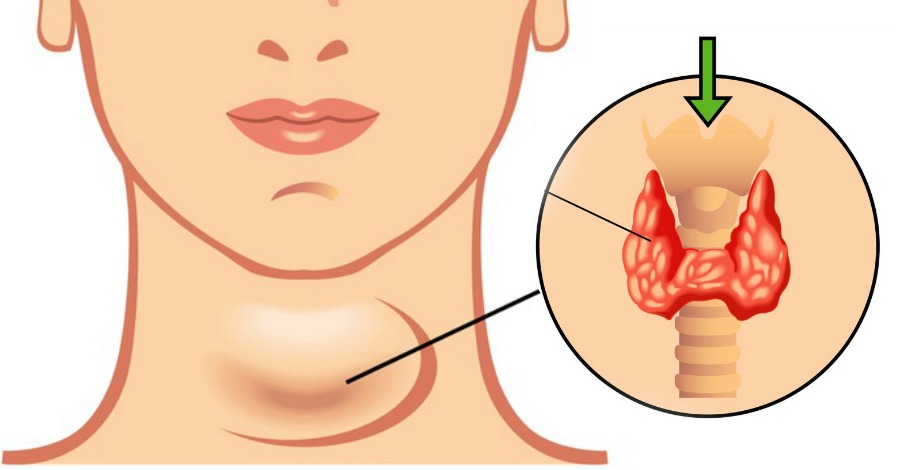
Hypo.thyroidism is a condition in which the thyroid gland does not produce enough thyroid hormones to meet the body’s needs. These hormones play a crucial role in regulating metabolism, energy levels, body temperature, and many other essential functions. When hormone production slows down, it can affect multiple systems in the body.
Common symptoms of hypothyroidism may include fatigue, weight gain, dry skin, sensitivity to cold, and difficulty concentrating. While medication is the primary treatment for managing the condition, diet and lifestyle choices can also play an important role in supporting thyroid health.
Certain foods may interfere with thyroid hormone production, affect iodine balance, or influence how thyroid medication works in the body. Understanding which foods to consume carefully can help individuals with hypothyroidism maintain better overall health.
Understanding the Role of Diet in Hypothyroidism
Food cannot cure hypothyroidism, but diet can influence how the thyroid gland functions and how effectively medication works. Some foods contain compounds that may interfere with thyroid hormone production or absorption.
In many cases, these foods do not need to be completely avoided, but moderation and proper preparation may help reduce their potential effects.
Maintaining a balanced diet rich in nutrients that support thyroid health - such as iodine, selenium, and zinc is often recommended.
1. Soy-Based Foods
Soy products are widely consumed in many diets and are known for their plant-based protein content. However, some studies suggest that soy may interfere with the absorption of thyroid hormone medications if consumed at the same time.
Common soy foods include:
-
Soy milk
-
Tofu
-
Tempeh
-
Soybeans
-
Soy protein products
This does not mean that individuals with hypothyroidism must completely avoid soy, but doctors often recommend spacing soy consumption several hours away from thyroid medication.
2. Cruciferous Vegetables in Excess
Cruciferous vegetables are highly nutritious and contain vitamins, minerals, and fiber. However, when consumed in very large amounts—especially raw—they may contain compounds known as goitrogens, which can interfere with iodine uptake in the thyroid.
Examples include:
-
Broccoli
-
Cabbage
-
Kale
-
Brussels sprouts
-
Cauliflower
Cooking these vegetables helps reduce the goitrogenic compounds. For most people with hypothyroidism, moderate consumption of cooked cruciferous vegetables is generally considered safe and healthy.
3. Highly Processed Foods
Highly processed foods often contain high levels of sugar, unhealthy fats, and refined carbohydrates. These foods may contribute to weight gain and metabolic imbalances, which can be particularly challenging for individuals with hypothyroidism.
Examples include:
-
Packaged snacks
-
Sugary desserts
-
Fast food
-
Processed meats
Limiting processed foods and focusing on whole, nutrient-dense ingredients can support overall metabolic health.

4. Foods High in Added Sugars
People with hypothyroidism often experience slower metabolism, which can make weight management more difficult. Foods high in added sugars may contribute to excess calorie intake and fluctuations in blood sugar levels.
Common sources of added sugar include:
-
Soft drinks
-
Candy
-
Sweetened beverages
-
Baked goods
Reducing sugar intake and choosing naturally sweet foods like fruit can help support healthier energy levels.
5. Gluten for Sensitive Individuals
Some individuals with hypothyroidism may also have autoimmune thyroid conditions, such as Hashimoto’s thyroiditis. In certain cases, gluten sensitivity may be associated with autoimmune conditions.
Gluten is found in foods containing wheat, barley, and rye, including:
-
Bread
-
Pasta
-
Baked goods
-
Some cereals
Not everyone with hypothyroidism needs to avoid gluten. However, individuals who experience digestive discomfort or who have confirmed gluten sensitivity may benefit from discussing dietary options with a healthcare professional.
6. Excessive Iodine Intake
Iodine is essential for thyroid hormone production, but consuming too much iodine can sometimes worsen thyroid function in people with existing thyroid conditions.
Foods high in iodine include:
-
Seaweed
-
Kelp
-
Certain seafood
-
Iodine-rich supplements
While iodine deficiency can also affect thyroid health, balance is key. It is generally recommended to avoid excessive iodine intake unless advised by a healthcare provider.
7. Caffeinated Beverages Near Medication Time
Coffee and other caffeinated beverages can interfere with the absorption of thyroid medication when consumed too soon after taking the medication.
Doctors often recommend waiting 30 to 60 minutes after taking thyroid medication before drinking coffee or tea.
This allows the medication to be absorbed more effectively.
Nutrients That Support Thyroid Health
In addition to being mindful of certain foods, it is also helpful to include nutrients that support thyroid function.
Important nutrients include:
Selenium
Found in foods such as Brazil nuts, fish, and eggs. Selenium plays a role in thyroid hormone metabolism.
Zinc
Present in foods like nuts, seeds, and whole grains. Zinc contributes to hormone production.
Iodine (in appropriate amounts)
Necessary for thyroid hormone production but should be consumed in balanced quantities.
Iron
Important for energy levels and oxygen transport in the body.
A balanced diet that includes a variety of whole foods helps ensure adequate intake of these nutrients.

Healthy Eating Habits for Hypothyroidism
Managing hypothyroidism often involves a combination of medication, diet, and lifestyle habits.
Helpful dietary practices may include:
-
Eating whole, minimally processed foods
-
Including plenty of vegetables and fruits
-
Choosing lean protein sources
-
Maintaining consistent meal patterns
-
Staying well hydrated
These habits support overall metabolic health and may help individuals manage symptoms more effectively.
Final Thoughts
Living with hypothyroidism requires ongoing attention to health and lifestyle choices. While medication remains the cornerstone of treatment, dietary awareness can play a supportive role in maintaining well-being.
Being mindful of foods that may interfere with thyroid function or medication absorption—such as soy products, excessive raw cruciferous vegetables, processed foods, and high-sugar items—can help individuals manage their condition more effectively.
Ultimately, working with healthcare professionals to create a balanced and personalized nutrition plan is one of the best ways to support long-term thyroid health and overall wellness.