What Happens to Your Body When You Eat Chia Seeds Regularly?
Chia seeds may be tiny, but they are widely regarded as one of the most nutrient-dense foods in the modern diet. Once a staple of ancient civilizations like the Aztecs and Mayans, these small black and white seeds have made a strong comeback thanks to their impressive health benefits.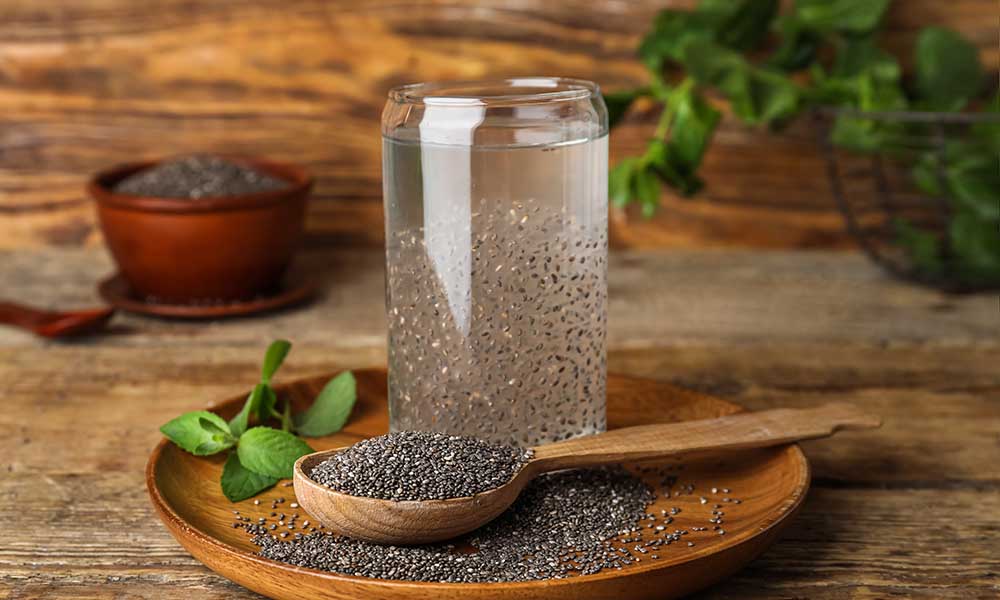
So what actually happens to your body when you start consuming chia seeds regularly?
A powerful nutritional boost in a small serving
Despite their size, chia seeds are packed with essential nutrients. Just two tablespoons provide fiber, protein, omega-3 fatty acids, and a wide range of minerals such as calcium, magnesium, and iron.
Their high fiber content is especially notable, helping support digestion and overall metabolic health.
Improved digestive health
One of the most immediate benefits of chia seeds is better digestion. Thanks to their high soluble fiber content, chia seeds absorb water and form a gel-like substance in the stomach.
This process helps promote smoother bowel movements, supports gut health, and may reduce issues like constipation and bloating.
Additionally, the fiber helps feed beneficial gut bacteria, which plays a key role in long-term digestive wellness.
Better heart health
Chia seeds are rich in omega-3 fatty acids, particularly alpha-linolenic acid (ALA), which is known to support cardiovascular health.
Regular consumption may help reduce inflammation, improve cholesterol levels, and support healthy blood pressure—important factors in lowering the risk of heart disease.
Support for weight management
Because they are high in fiber and protein, chia seeds can help you feel full for longer periods. This may reduce overall calorie intake and help with weight control over time.
When soaked, chia seeds expand and slow digestion, which contributes to a longer-lasting feeling of satiety.
Stabilized blood sugar levels
Chia seeds may also help regulate blood sugar levels. Their fiber slows down the absorption of carbohydrates, preventing spikes and crashes in blood glucose.
This makes them a beneficial addition for people looking to manage energy levels or reduce the risk of metabolic conditions.
Stronger bones and overall vitality
Chia seeds contain important minerals like calcium, phosphorus, and magnesium—all essential for bone health. In fact, they can provide a surprisingly high percentage of daily calcium needs in just a small serving.
Combined with antioxidants, these nutrients also help protect cells from damage and support overall well-being.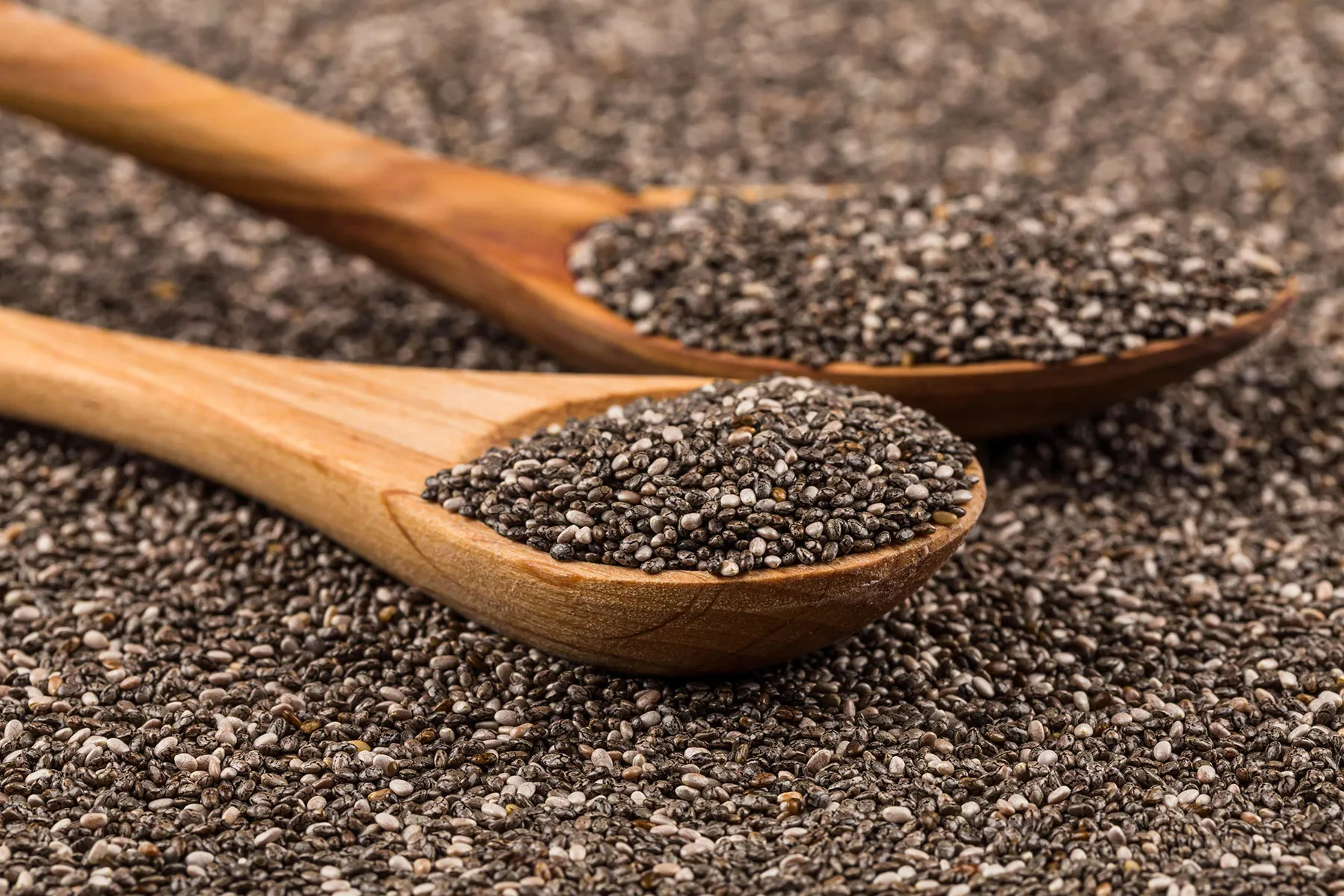
Important notes to consider
While chia seeds offer many benefits, they are not a miracle food. Eating them dry can be unsafe, as they absorb liquid and expand rapidly. They should always be soaked or mixed into food before consumption.
Experts also recommend consuming them in moderation—typically around 1–2 tablespoons per day—as part of a balanced diet.
Conclusion
Adding chia seeds to your daily routine can bring a range of health benefits—from improved digestion and heart health to better weight management and sustained energy.
However, like any health trend, the key lies in consistency, moderation, and combining it with an overall healthy lifestyle.