8. Preparation Matters More Than Many People Realize
The health impact of a chicken-liver meal isn't determined by the liver alone.
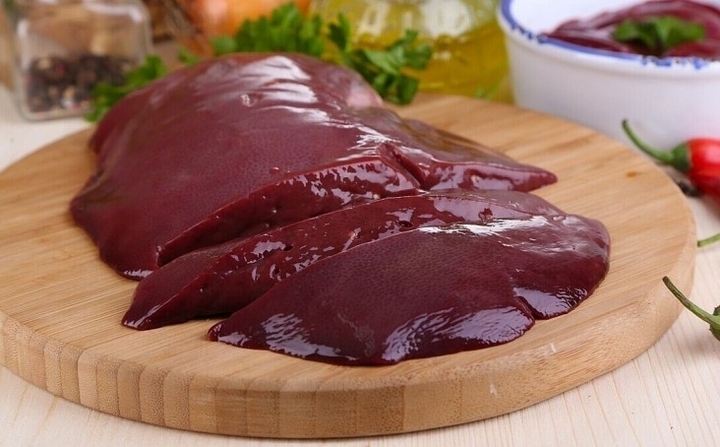
Preparation can significantly change the overall nutritional profile.
For example, liver that is heavily fried and served with large amounts of salt, butter, processed meat, or a calorie-dense sauce is a very different meal from lightly cooked liver served with vegetables and whole grains.
If you're eating liver regularly, consider:
-
Moderate portions
-
Less added salt
-
Minimal excessive frying
-
Plenty of vegetables
-
A balanced carbohydrate source
-
Other protein sources throughout the week
The goal should be dietary variety rather than making one nutrient-dense food the centerpiece of every meal.
9. Eating Liver Doesn't "Detox" the Body
There is a common misconception that because the liver is the body's major detoxification organ, eating liver somehow provides a special detoxifying benefit.
That's not how nutrition works.
The liver doesn't become healthier simply because you eat another animal's liver.
Your own liver performs metabolic and detoxification functions continuously.
Eating chicken liver can provide nutrients, but it isn't a detox treatment.
There is also no scientific reason to consume huge quantities of liver to "cleanse" your own liver.
10. What About Cholesterol?
Organ meats can contain substantial dietary cholesterol.
For many people, dietary cholesterol has a smaller effect on blood cholesterol levels than the overall pattern of saturated fat intake and other dietary factors.
Nevertheless, people with specific cardiovascular risk factors or conditions affecting cholesterol may need individualized dietary advice.
If your doctor has specifically recommended limiting dietary cholesterol or saturated fat, it's worth discussing how liver fits into your overall eating pattern.
The answer doesn't have to be "never."
It may simply mean smaller portions and less frequent consumption.
11. Pregnancy Requires Extra Caution
This is an especially important point.
Pregnant people should be cautious about eating liver and liver products because of their high concentration of preformed vitamin A.
Excessive intake of preformed vitamin A during pregnancy can harm fetal development.
For that reason, dietary guidance commonly recommends avoiding or limiting liver and liver products during pregnancy.
Anyone who is pregnant, trying to conceive, or taking vitamin A-containing supplements should discuss their intake with their healthcare professional.
This is one situation where "just a little more for extra nutrition" isn't necessarily a good idea.
12. Children Shouldn't Be Given Large Amounts Regularly
Children need vitamin A, iron, B12, and other nutrients for growth and development.
But their nutrient requirements are generally lower than those of adults.
Because liver is so concentrated in vitamin A, regularly giving children large portions isn't a good strategy for improving nutrition without professional guidance.
A varied diet containing vegetables, fruits, grains, dairy or alternatives, eggs, meat, legumes, and other nutrient-rich foods can provide a broader nutritional profile.