A source of whole-food carbohydrates, such as rice, potatoes, or whole grains.
You can also add fruit elsewhere in the meal or later in the day.
The objective isn't to make liver the "superfood" of the plate.
It's to make it one component of a diverse diet.
Signs You Should Talk to a Healthcare Professional
If you've been eating very large quantities of liver or taking high-dose vitamin A supplements and develop unexplained symptoms such as persistent nausea, headaches, dizziness, unusual fatigue, skin changes, or bone/joint discomfort, talk to a healthcare professional.
Likewise, seek individualized advice if you:
-
Are pregnant or planning pregnancy
-
Have liver disease
-
Have a condition affecting vitamin or mineral metabolism
-
Take vitamin A supplements
-
Take cod liver oil regularly
-
Have been diagnosed with excessive iron or copper levels
-
Have significant cardiovascular risk factors
Don't attempt to diagnose vitamin toxicity based on symptoms alone. Many of these symptoms have numerous possible causes.
One More Important Issue: Food Safety
There's another reason preparation matters.
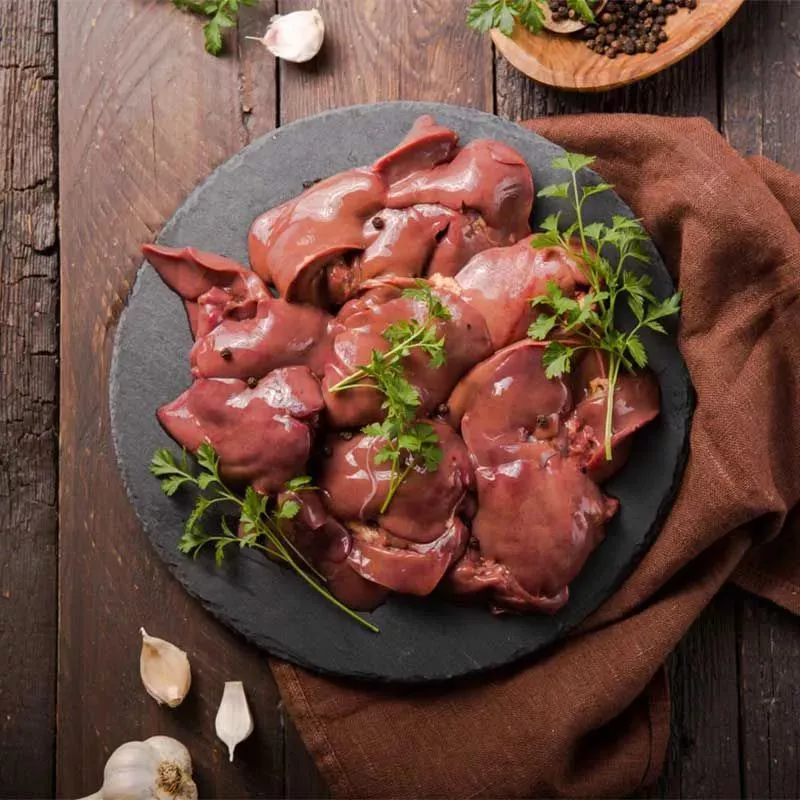
Chicken liver is a raw animal product and can contain harmful bacteria.
It should be handled carefully and cooked thoroughly.
Avoid eating chicken liver that is raw or inadequately cooked.
Use clean utensils and surfaces, prevent cross-contamination with ready-to-eat foods, and refrigerate raw poultry products appropriately.
Food safety is particularly important for pregnant people, young children, older adults, and people with weakened immune systems.
The Biggest Myth About Chicken Liver
The biggest misconception isn't that chicken liver is unhealthy.
It's the idea that because it contains so many nutrients, more must be better.
Chicken liver is almost the opposite of an ordinary low-density food.
It's highly concentrated.
That makes it useful in a balanced diet—but also means that excessive consumption can provide unusually high amounts of certain nutrients, especially preformed vitamin A.
Think of it less like a food you need to eat every day and more like a nutrient-dense food that can be enjoyed in moderation.
The Bottom Line
Chicken liver can be an exceptionally nutritious food.
It provides protein, iron, vitamin B12, folate, copper, and especially high amounts of preformed vitamin A.
Those nutrients can be valuable, but they also explain why eating large quantities too frequently isn't a good idea.
The main concern is excessive intake of preformed vitamin A, particularly when frequent liver consumption is combined with vitamin A-containing supplements or other concentrated sources.
For most healthy adults, the practical lesson isn't to fear chicken liver.
It's to watch the portion, avoid making it an everyday staple, vary your protein sources, and consider your total nutrient intake.
And for people who are pregnant, caring for young children, taking vitamin A supplements, or managing a medical condition, personalized advice is especially important.
Chicken liver can absolutely have a place on the menu.
The key is remembering that when it comes to highly concentrated foods, a little can go a long way.